Rare Ride Icons: The Jeep Wagoneer, First Luxury SUV (Part VI)
The Evolution of the Jeep Wagoneer: A New Era Under AMC
The history of the Jeep Wagoneer is a tale of transformation, marked by significant changes in design, engineering, and market positioning. In our previous installment, we explored the early updates to the SJ Wagoneer, which saw continuous modifications from 1964 until its final model year in 1991. However, the most pivotal change came not from internal development but as a result of a major shift in ownership.
Ownership Change and Strategic Shifts
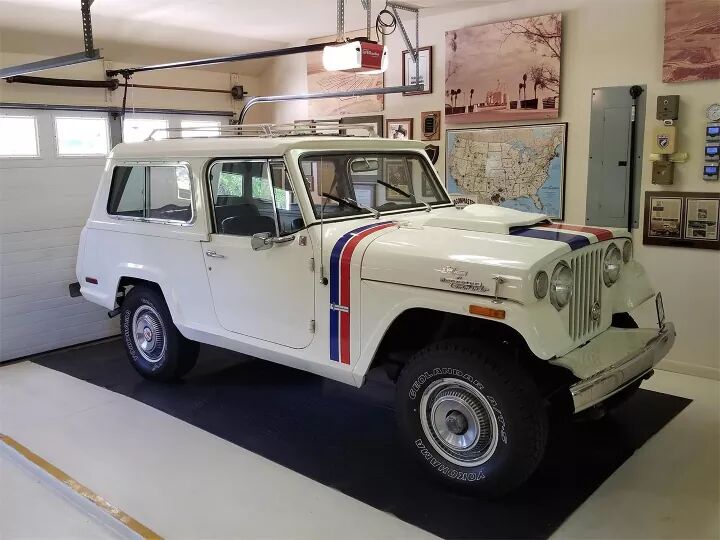
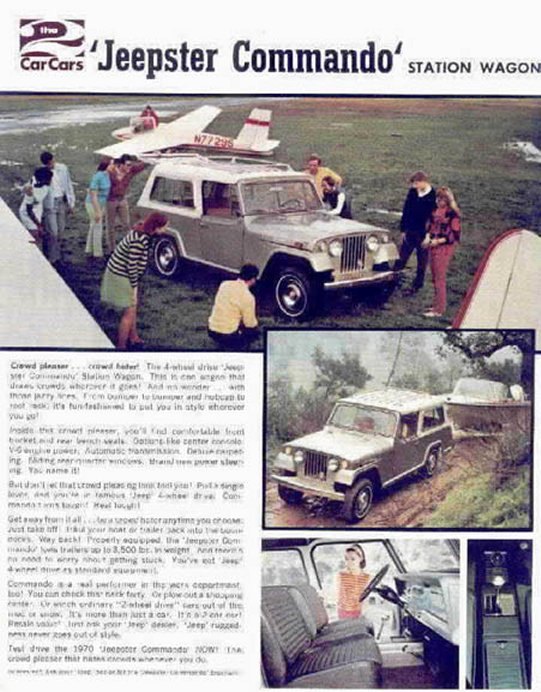
In the early 1970s, the landscape for Jeep was changing. Kaiser Jeep, the company that had been responsible for the Wagoneer’s initial development, faced financial constraints and a limited product lineup. During the second half of the 1960s, the only new product they introduced was the Jeepster Commando, a compact recreational utility vehicle that aimed to appeal to a growing market segment.
American Motors Corporation (AMC), based in Kenosha, Wisconsin, took an interest in Kaiser Jeep during the latter part of the decade. AMC recognized the potential of the Jeep brand and saw an opportunity to expand into the passenger-oriented utility vehicle market. Unlike other companies, AMC was financially stable due to the success of its smaller, fuel-efficient vehicles.
Acquisition and Immediate Changes
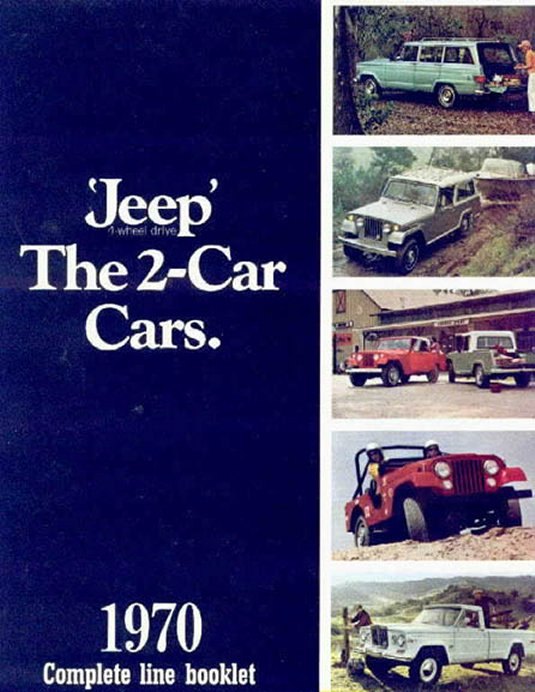
In February 1970, AMC acquired Kaiser Jeep Corporation for approximately $70 million (equivalent to around $601.9 million today). Following this acquisition, Jeep was renamed the Jeep Corporation, and AMC immediately focused on expanding the brand’s presence in the market. One of the first changes was the use of AMC engines in the SJ Wagoneer, starting in 1972 and continuing until the end of its production run.
Design and Mechanical Innovations
The ownership change brought about a new direction for the Wagoneer. While AMC had more resources to invest in Jeep, it also prioritized cost-saving measures through parts and engine consolidation. This contrasted with the earlier days when Jeep used a mix of components from various suppliers.
During the 1970s, the Wagoneer underwent several improvements to enhance its livability and luxury. Engineers at AMC worked on reducing noise, vibration, and harshness (NVH) and made immediate visual changes, such as updating the grille design.
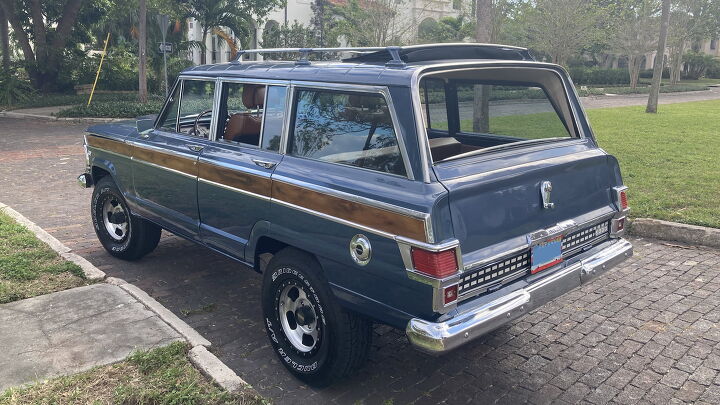
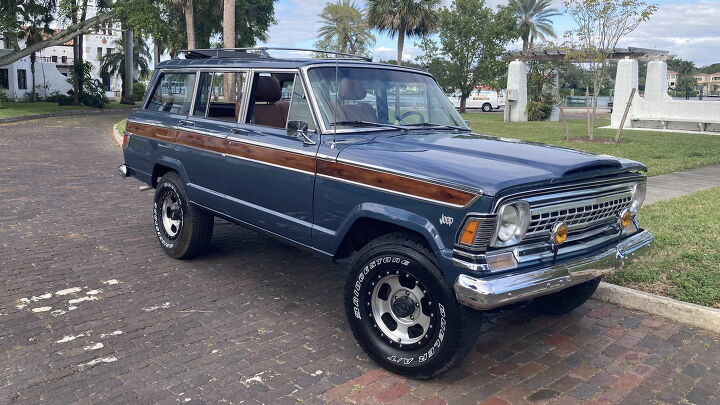
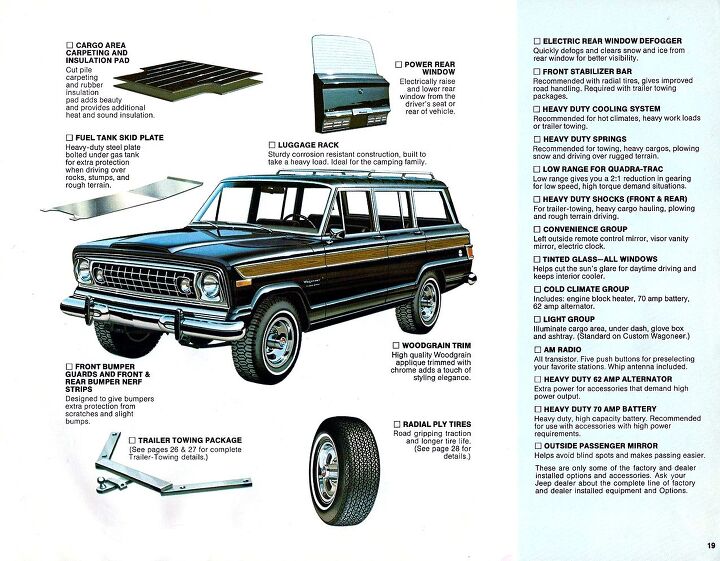
One of the most notable design changes was the replacement of the metal grille with vertical bars with a plastic eggcrate-style grille. This update was accompanied by new square indicator lamps beneath the tail lamps, surrounded by chrome. The eggcrate design also appeared on the tailgate as a trim panel outlined in black.
Luxury Trim and Market Experimentation
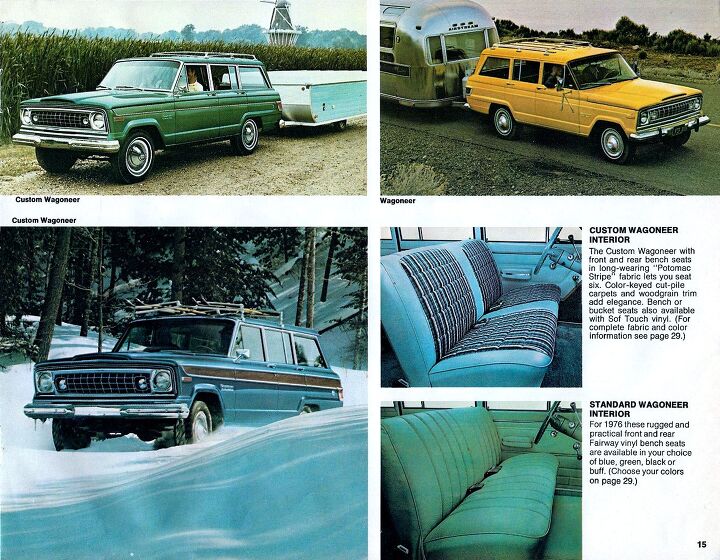
In 1971, AMC experimented with a luxury trim version of the Wagoneer known as the X-Code. This model featured a light green color called Golden Lime, the first exterior wood grain on a Wagoneer, and a thick chrome strip along the upper character line. Priced $1,000 above the standard Custom trim, the X-Code was a single-year model. Wood trim became an option by 1973, though many examples have since been repainted or modified.
Mechanical Advancements
From 1972 to 1973, the Wagoneer saw several mechanical upgrades. The Buick V8 was replaced by the AMC 360 V8, and AMC introduced a new full-time four-wheel drive system in 1973.
Branded as Quadra-Trac, this system used a Borg-Warner transfer case and offered five different driving modes. It eliminated the need for manual locking hubs and helped broaden the appeal of the Wagoneer and other Jeep models.
Expansion of the Platform
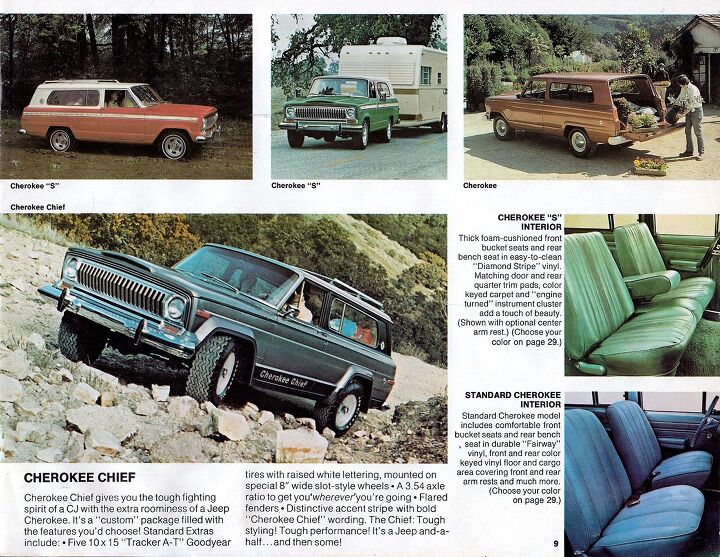
As the popularity of utility vehicles grew, the SJ platform expanded. The Cherokee debuted in 1974 as a two-door model, using a revised window line and fewer features. It was marketed as the first SUV and eventually evolved into a four-door model in 1977. The Cherokee’s success allowed the Wagoneer to focus more on luxury and upscale features.
Continued Upgrades and Market Positioning
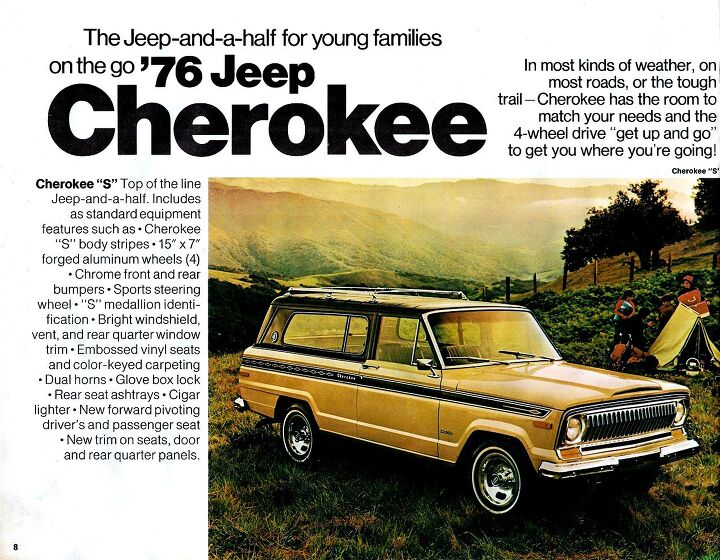
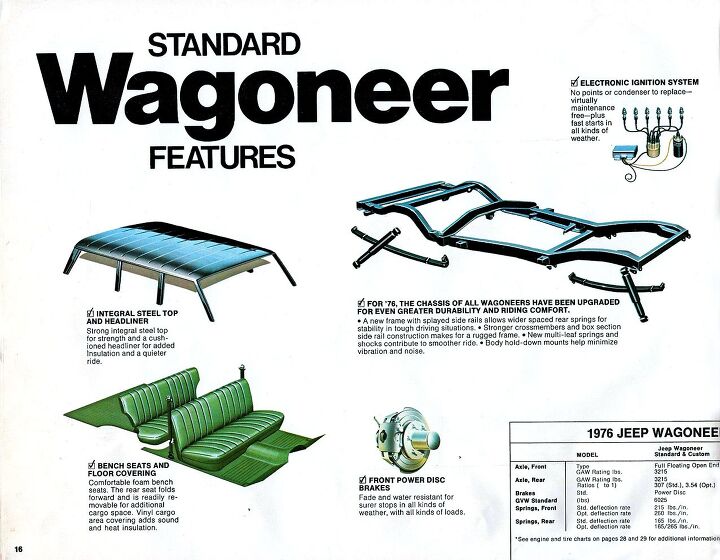
In 1974, the Wagoneer received front disc brakes as standard, while the Cherokee offered them as an optional feature. Both models were upgraded in 1976 with stronger frames and boxed side rail construction. They were both built at Jeep’s Toledo Complex.
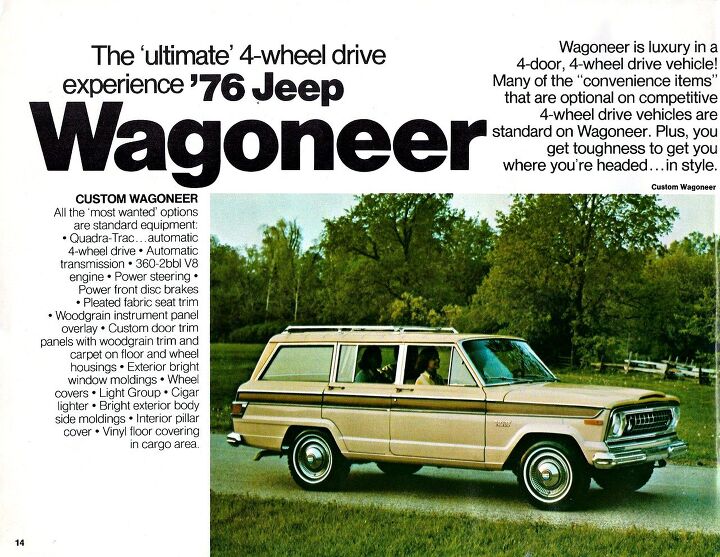
The introduction of the Cherokee as a distinct model helped the Wagoneer move upmarket. With the four-door Cherokee available in 1977, the Wagoneer could focus on luxury and higher-end features. Starting in 1978, Jeep continued to push the Wagoneer toward more luxurious trims, setting the stage for the introduction of the Limited trim in our next installment.