Mazda Hints Electric Cars Could Revive Station Wagons
The Resurgence of Station Wagons in the Electric Era
Station wagons have long been a symbol of practicality and style, but their presence on the roads has dwindled over the years. The global automotive landscape has shifted dramatically, with SUVs dominating the market. Consumers now favor the elevated seating, enhanced safety features, and the perceived prestige associated with SUVs. This shift has pushed station wagons to the periphery, making them less common in everyday driving scenarios.
However, the rise of electric vehicles (EVs) is quietly changing the narrative. Aerodynamics play a crucial role in the efficiency of EVs, and station wagons, with their streamlined designs, offer a natural advantage over traditional SUVs. This design allows for better airflow, potentially leading to improved energy efficiency and extended range without the need for larger battery packs. While this might not be a primary concern for many buyers, it presents a practical benefit that could appeal to eco-conscious drivers.
Automakers Start to Take Notice
Several automakers are beginning to explore the potential of electric wagons, particularly in Europe and China. These regions have shown some interest in the concept, despite the overall decline in wagon sales. Mazda, for instance, recognizes the unique appeal of wagons but remains cautious about committing to a new model at this time.
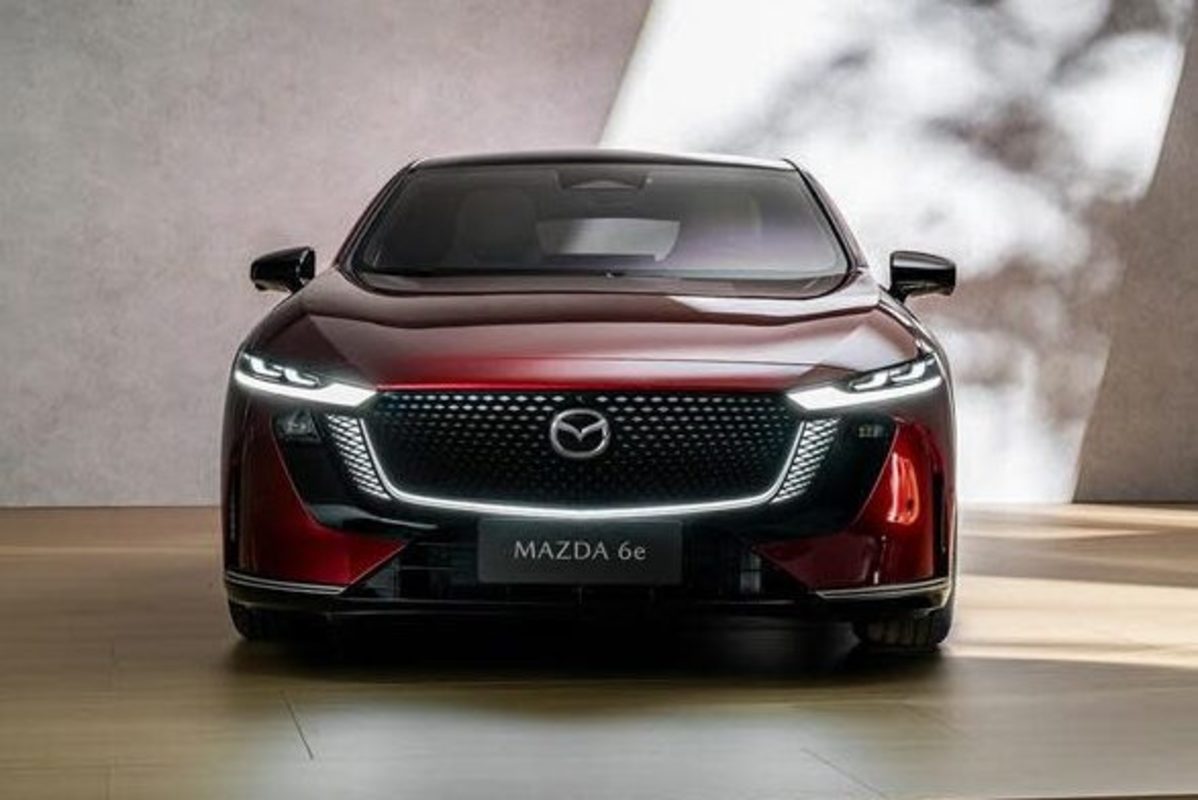
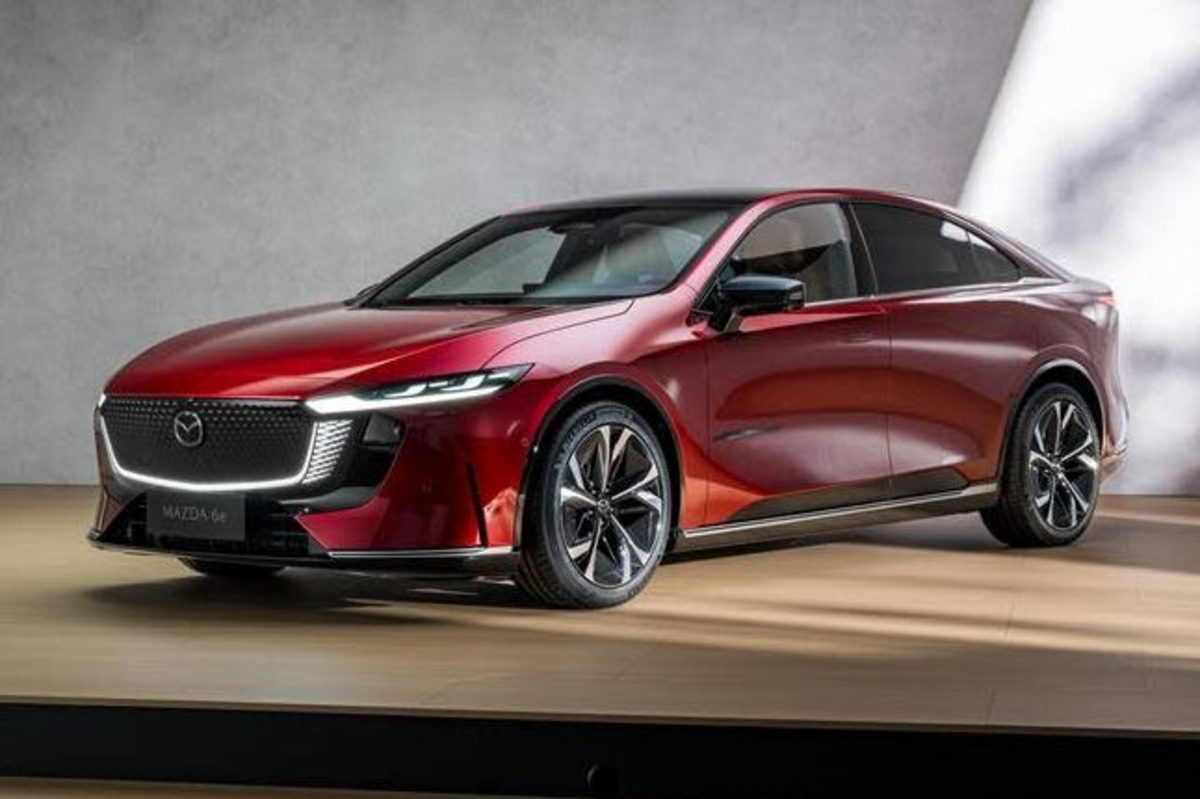
Mazda executives have indicated that the decision to produce a wagon version of the 2026 6e depends largely on consumer demand. Hiroshi Ozawa, general manager of the Changan Mazda technical development center, highlighted the ongoing trend of SUVs gaining popularity while traditional passenger cars, including wagons, see declining sales. Even in Europe, where there is still some interest in wagons, the market remains limited.
Mazda’s Consideration of a 6e Wagon
Despite the challenges, Mazda hasn’t ruled out the possibility of a wagon version of the 6e. However, the company is waiting for stronger signals from the market before making any moves. Ozawa noted that the demand for wagons is currently low, especially in China, where the 6e is developed and built. Models like the Nio ET5 Touring have shown some traction, but they haven’t translated into significant sales.
Additionally, Mazda sees overlap within its own product lineup. The CX-6e SUV already meets the utility needs that a wagon would typically address, reducing the necessity for a separate model. However, Ozawa personally prefers wagons for their compact size, which makes them easier to park in tight spaces, particularly in Japan.
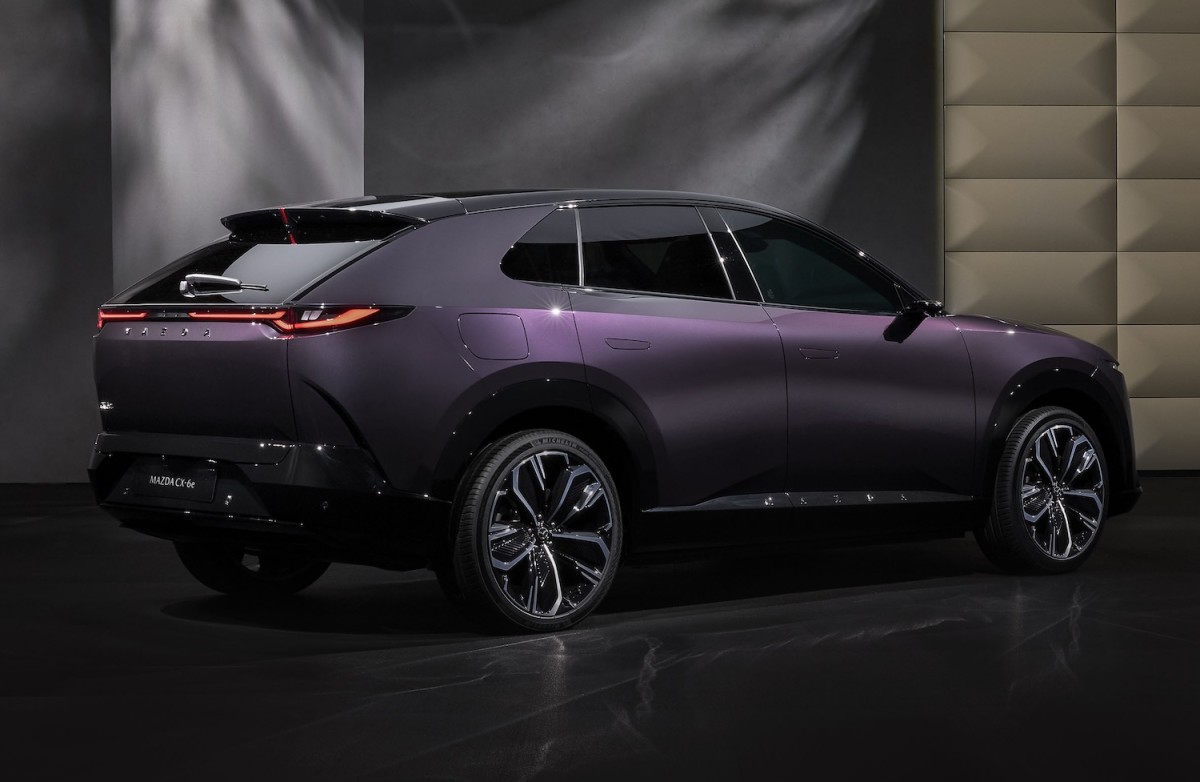
No Immediate Plans for the U.S. Market
Even if Mazda does decide to produce a 6e wagon, it’s unlikely to reach the U.S. market anytime soon. American consumers have largely moved away from wagons, with only a few premium brands maintaining a presence in this segment. Mazda would need to see strong demand in Europe before considering expansion to other markets.
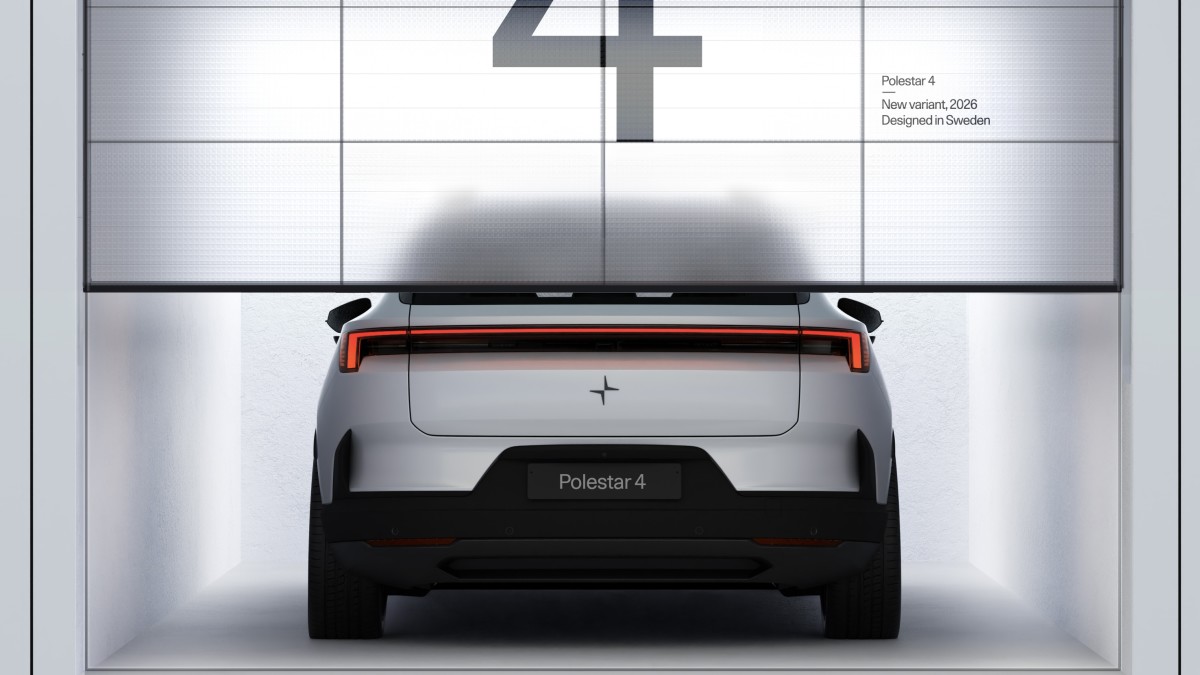
Moreover, the original Mazda 6 has been phased out, and there are no indications that the new 6e will return in any form. If a wagon were to arrive in the U.S., it would face minimal direct competition. The electric wagon segment remains sparse, especially outside luxury price points. One potential competitor could be the Polestar 4 wagon, which is expected to enter the U.S. market and could help gauge consumer interest in sleek, low-slung EVs.
A Cautious Approach
Mazda is taking a measured approach, acknowledging that wagons often receive more attention from enthusiasts and the media than from actual buyers. Unless consumer preferences change significantly, the 6e wagon will likely remain a concept rather than a production model. For now, the idea of an electric wagon is more of a possibility than a reality, but the evolving automotive landscape may yet bring it back into focus.