India News: Drone Strikes Kill 2 in Oman
Rising Costs and Tragic Losses Amid Regional Conflict
The ongoing conflict between the US, Israel, and Iran has led to a tragic increase in the number of Indian nationals affected. The death toll has risen to at least five, with two more lives lost in a recent drone strike in Oman. This incident highlights the far-reaching consequences of the war, impacting not only those directly involved but also the broader Indian community.
Fuel Surcharge Imposed by Airlines
In response to rising fuel prices, several Indian airlines have introduced a “fuel surcharge” on their tickets. IndiGo, India’s largest airline, is among the first to implement this change. Starting today, passengers will be charged an additional amount ranging from Rs 425 to Rs 2300, depending on the flight. For domestic flights, the surcharge is set at Rs 425. This move comes as a direct response to the significant increase in aviation turbine fuel costs, which have been heavily influenced by the geopolitical tensions in the Middle East.
Other major airlines, such as Air India and Air India Express, have also adopted similar measures. They will charge an additional Rs 399 for domestic flights and $10 for routes to and from West Asia. These surcharges aim to offset the financial burden caused by the rising oil prices, which are expected to impact all airlines significantly.
Drone Strike in Oman Claims Two Lives
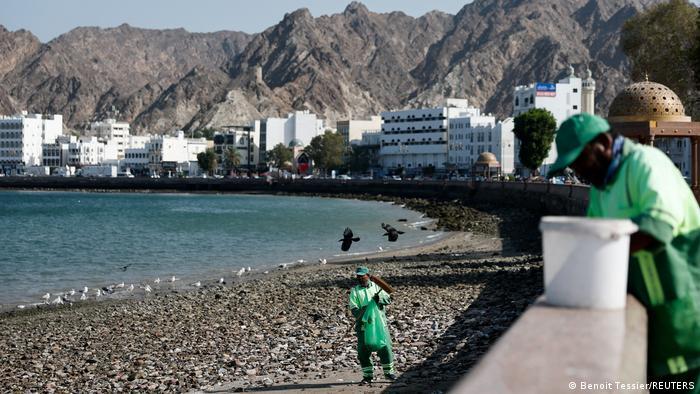
A recent drone strike in the northern region of Oman resulted in the deaths of two Indian nationals. Officials confirmed the incident late on Friday, marking a grim milestone in the conflict’s toll on Indian citizens. The attack occurred in the Wilayat of Sohar, where one of the drones struck the Al Awhi Industrial Zone, leading to fatalities and multiple injuries.
Oman’s state-run news agency reported that the attack caused several injuries, with ten other Indians sustaining injuries. Five of these individuals are currently hospitalized, though none of the injuries are considered critical. The Indian Foreign Ministry has confirmed the casualties and is working closely with local authorities and the employer to address the situation.
Ongoing Concerns and Government Response
The Indian government continues to monitor the situation and work on bringing Indian nationals in the Gulf region back to safety. The death toll of Indian nationals directly affected by the conflict has reached five, with three other Indians having died in previous incidents. One individual was killed in an attack on the US-owned oil tanker Safesea Vishnu, and efforts are underway to repatriate his remains to India.
Two other seafaring Indians were also killed in similar attacks on ships in the region. These events underscore the dangers faced by Indian workers in the area and highlight the need for continued vigilance and support from the government.
Economic Impact and Public Reaction
The economic ripple effects of the conflict are beginning to affect daily life in India. From cooking gas to flight tickets, prices are climbing, causing concern among the public. Despite the US providing India with a temporary waiver to purchase Russian crude and the Indian government utilizing emergency powers to ensure stable production and distribution of cooking gas, the impact is still being felt.
Local businesses, such as fabric dyers, have also reported increased costs, with some charging extra due to the rising local gas prices. This reflects the broader economic strain caused by the conflict, even though it is taking place thousands of kilometers away.
Conclusion
As the conflict continues to unfold, the focus remains on the safety of Indian nationals and the economic implications for the country. The introduction of fuel surcharges by airlines and the tragic loss of lives in Oman serve as reminders of the far-reaching consequences of regional tensions. The Indian government is actively working to address these challenges and ensure the well-being of its citizens. Stay tuned for more updates on this developing story.