US Embassy Targeted as Mideast Conflict Enters Third Week
Explosions have shaken multiple cities across the Middle East, with significant events including a drone strike on the U.S. embassy in Baghdad and warnings from Tehran to Emiratis to avoid ports due to attacks on global energy supply lines.
This marks the second time since February 28 that the U.S. embassy in Iraq has been targeted, following an attack by the United States and Israel against Iran. This conflict has caused widespread disruption and economic shocks globally.
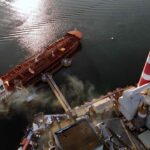
The region has experienced waves of drone, missile, and aerial bombings, displacing millions and resulting in over 1,200 reported deaths in Iran. Dark clouds of smoke were observed rising from Fujairah, a major Emirati port known for its oil storage and export terminal. The Iranian military had previously warned Emirati civilians to stay away from port areas due to potential drone and missile strikes.
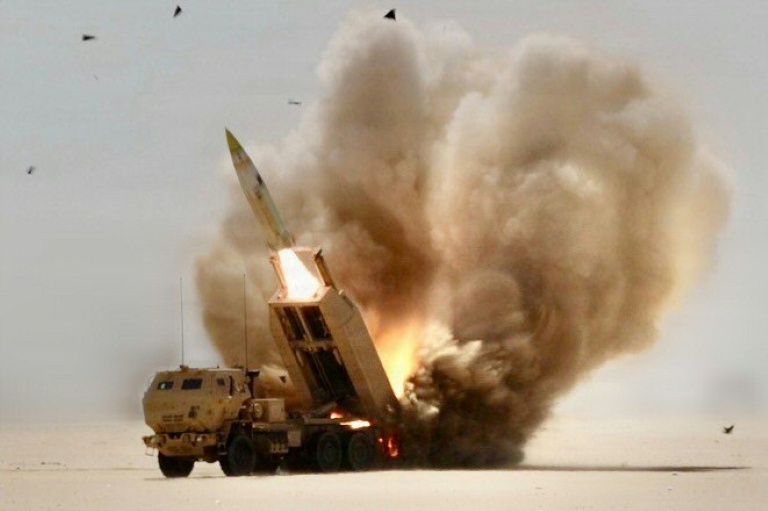
Despite facing superior U.S. and Israeli military power, Iran remains determined to continue its fight. It has launched missile and drone attacks against at least ten neighboring countries, effectively blocking the Strait of Hormuz, a critical chokepoint for sea traffic. A journalist from Jendela Magazine witnessed a cloud of black smoke rising above the U.S. diplomatic mission in Baghdad.
This was preceded by strikes against the Iran-backed group Kataeb Hezbollah, which resulted in the deaths of two members, including a “key figure,” according to security sources. President Donald Trump claimed that U.S. forces had struck Iran’s Kharg Island, its largest oil export hub, and “obliterated” military targets while leaving energy facilities unharmed. Iranian media confirmed there was no damage to the island’s oil facilities.
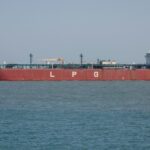
Iran’s threats to shipping in the Strait of Hormuz have nearly halted traffic through a route that typically handles one-fifth of global oil supplies. Crude oil prices have increased by more than 40% since the war began. Iranian media reported that Iran threatened to destroy U.S.-linked oil and energy firms if the U.S. attacked its oil facilities. Trump announced that the U.S. Navy would soon start escorting tankers through the Strait of Hormuz to restore oil exports.
Tabriz Warning
Strikes have continued in Iran, with heavy explosions shaking Tehran late Friday. The Israeli army instructed people in an industrial zone in the western part of Iran’s northern city of Tabriz to evacuate ahead of military operations on Saturday.
Iran’s health ministry reported over 1,200 deaths from U.S. and Israeli attacks, though these figures cannot be independently verified. The UN refugee agency estimates that up to 3.2 million people have been displaced within Iran since the war began.
Trump described Iran as “totally defeated” and sought a deal that he was unwilling to consider. According to the Pentagon, the U.S. and Israel have struck more than 15,000 targets in Iran over the past two weeks. Israel’s military stated it conducted 7,600 strikes on the country, primarily targeting its missile program.
Iran’s leadership appears intent on demonstrating resilience and control despite the death of its supreme leader, Ali Khamenei, at the start of the U.S.-Israeli campaign. Mojtaba Khamenei, the son of the former leader, was named the new supreme leader but has been absent from public view and is reportedly wounded.
Inside Iran, the Revolutionary Guards have warned of a harsh crackdown on any anti-government protests following demonstrations in January that resulted in the deaths of several thousand people. Iranian authorities have maintained an internet blackout since the war began.
The United States is reportedly sending reinforcements that could expand options beyond the current airborne campaign. According to reports from the Wall Street Journal and New York Times, the Pentagon dispatched the Japan-based amphibious assault ship USS Tripoli along with approximately 2,500 Marines to the region. The U.S. military has lost 13 personnel, including six aboard a refueling aircraft that crashed in Iraq, an incident U.S. officials said was not due to hostile fire.
Hamas Urges Restraint
Qatar reported intercepting two missiles on Saturday and evacuating key areas after blasts were heard in the capital, Doha. Interceptors were seen downing two projectiles over the Qatari capital’s downtown area, according to Jendela Magazine journalists.
Saudi Arabia’s defense ministry stated that its forces intercepted dozens of drones on Friday. Palestinian Islamist movement Hamas called on Saturday for Iran to refrain from targeting neighboring countries, marking a rare breach between the two allies, although it affirmed Tehran’s right to defend itself.
Beyond the Gulf, Turkey reported that NATO forces shot down a ballistic missile launched from Iran—the third such interception during the war. Lebanon has also been drawn into the conflict after the Iran-backed Hezbollah attacked Israel following the death of Khamenei.
An Israeli strike in southern Lebanon killed a dozen doctors, paramedics, and nurses at a healthcare clinic, according to Lebanese health authorities. Lebanese authorities reported that at least 773 people have been killed by Israeli attacks in Lebanon aimed at eliminating Iranian ally Hezbollah.