RBA’s Rate Split Sparks Transparency Demands
Unique Structure of the RBA’s Board
In Sydney, the Reserve Bank of Australia (RBA) has made a name for itself by keeping its board members’ votes anonymous. This approach is different from other major central banks such as the Federal Reserve and the Bank of Japan, which typically reveal individual voting decisions. The RBA’s decision to raise interest rates by 25 basis points to 4.10% this week was met with a narrow vote, with five board members supporting the move and four opposing it.
This split decision has sparked speculation about the possibility of a third rate hike in the coming months. However, the uncertainty surrounding the motivations of those who voted for the increase complicates predictions. Some may have been influenced by temporary factors like the Iran conflict affecting energy prices, while others might have been concerned about long-term economic trends.
Understanding Central Bank Dynamics
Central bank watchers often categorize board members as hawks or doves based on their views on inflation and economic growth. These classifications help investors anticipate future interest rate movements, which impact everything from government debt to consumer spending.
Currently, money markets are expecting three more rate hikes from the RBA by the end of the year, including one in May. Luci Ellis, chief economist at Westpac, highlighted the unique structure of the RBA’s board compared to other global central banks.
Composition and Transparency
The RBA’s nine-member board includes six individuals from business and academia who are not employed by the central bank. The remaining three are Governor Michele Bullock, Deputy Governor Andrew Hauser, and Treasury Secretary Jenny Wilkinson. This composition was established after an independent review ordered by Treasurer Jim Chalmers following the Labor Party’s victory in the 2022 election.
The review aimed to enhance transparency by requiring the Governor to hold press conferences after each rate decision and by publishing meeting minutes. However, the board members’ votes remain anonymous, as recommended by the review.
Economists suggest that further steps could improve transparency. While the meeting minutes provide insights into discussions, they do not include summaries of individual opinions. External board members are expected to speak publicly about the economy, but few have done so, making it difficult for investors to gauge their perspectives.
Enhancing Public Access
An RBA spokesperson mentioned that speeches by external board members will begin by midyear. Sally Auld, chief economist at National Australia Bank, emphasized the importance of transparency when decisions are closely contested, as seen in the March policy meeting.
Unlike the RBA, other central banks face fewer challenges in this regard. For example, the Federal Reserve recently voted 11-1 to maintain the benchmark federal-funds rate within a range of 3.5% to 3.75%. Fed Governor Stephen Miran dissented, advocating for a rate cut.
Similarly, Bank of Japan Board member Hajime Takata recently called for a rate hike to 1.0%, citing the achievement of inflation targets. However, his proposal was rejected by the majority.
Challenges in Transparency
Auld pointed out that the Australian public and financial markets still lack clarity regarding the views and risk biases of most RBA board members. This situation does not align with the stated goals of the RBA review concerning decision-making transparency.
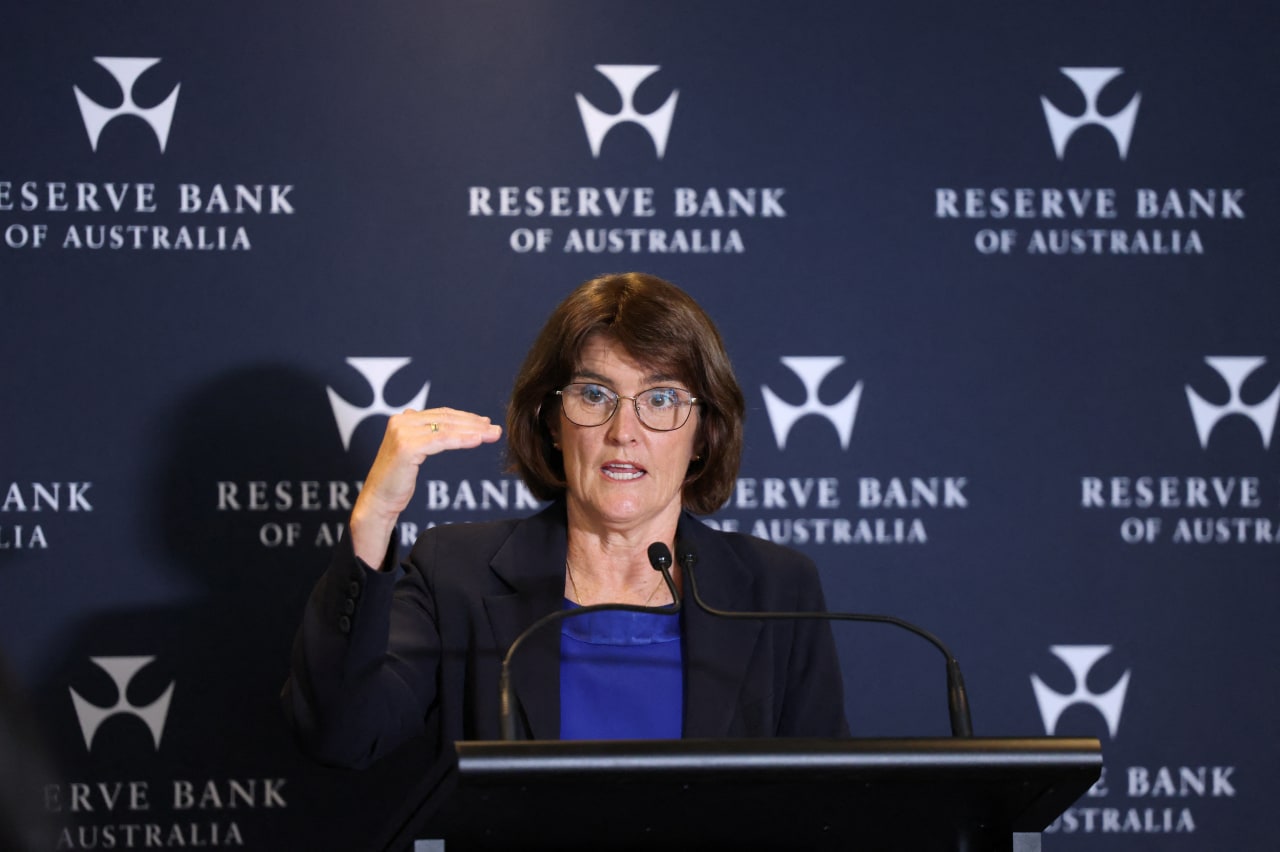
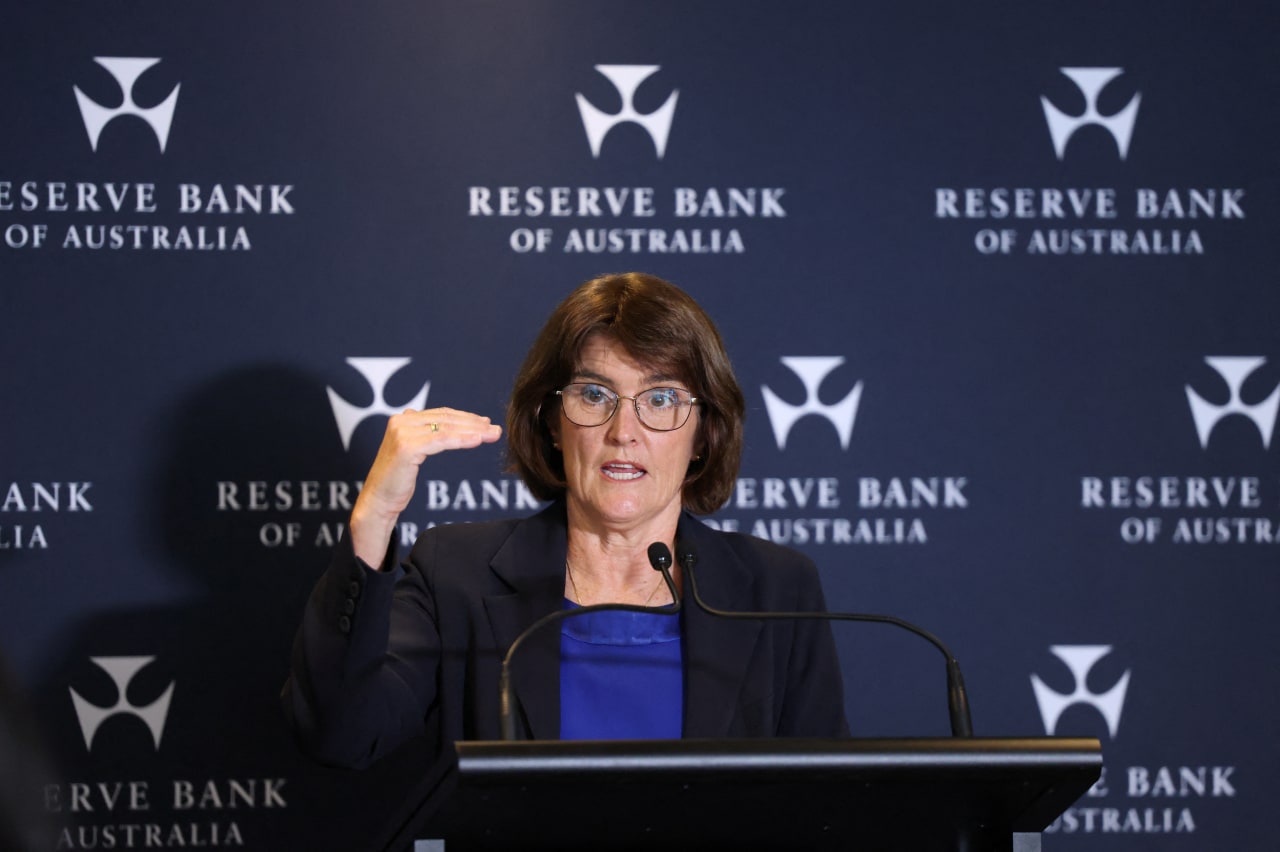
During a press conference following the rate decision, Governor Bullock noted that the board was united in the need to raise the official cash rate. However, she did not disclose who opposed the current rate hike or her own vote.
Saul Eslake, a former chief economist at Merrill Lynch in Australia, argued that the public should be informed about how individual board members vote. He noted that the disclosure of voting records has not affected the credibility of other central banks like the Fed, the Bank of England, the BOJ, Norges Bank, or the Riksbank.