
Gen Z’s A-Grade Dilemma: High Grades, Lower Pay
The Hidden Consequences of Easy A’s
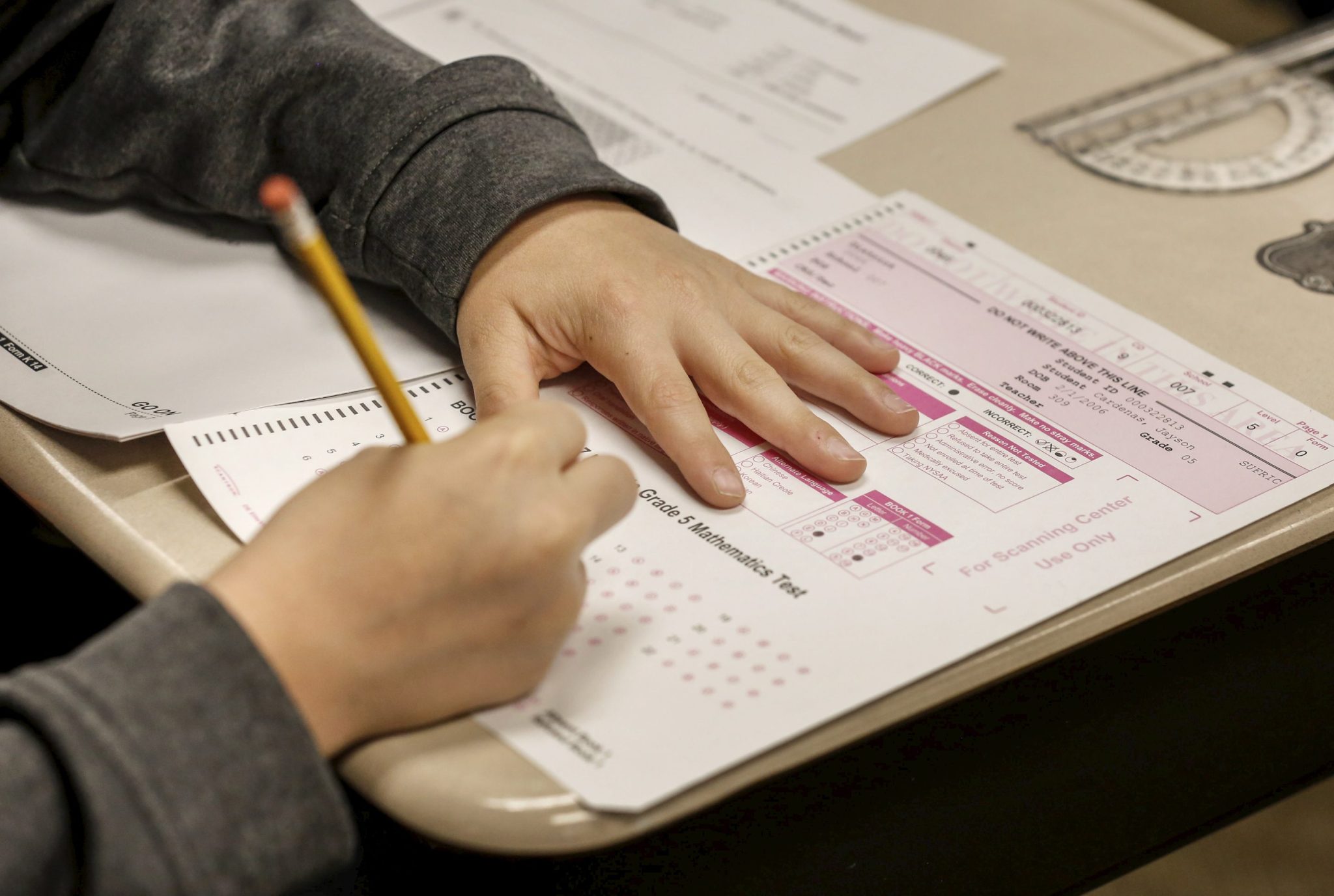
Straight-A report cards have become increasingly common among American teenagers, but the benefits may not be as beneficial as they seem. A recent study by the National Bureau of Economic Research (NBER) reveals that when teachers assign “easy A” grades, students are more likely to skip class, perform worse on future tests, and earn less money in the long run. For a typical high school class, grade inflation can reduce the group’s future earnings by approximately $213,000, or about $150 per year for each letter grade that is slightly inflated.
The findings come at a time when President Donald Trump has been pushing for stricter controls on grade inflation in higher education, linking federal funding to whether universities maintain strict grading standards. Gen Z is already the first generation to score lower than their parents on some cognitive performance measures, with reading habits declining and schools placing greater emphasis on grades rather than actual learning.
The Long-Term Effects of Grade Inflation
The NBER study, titled “Easy A’s, Less Pay: The Long-Term Effects of Grade Inflation,” found that for each individual student, this trend results in a decrease in yearly earnings of around $150 for every grade that is raised from a B to a B+.
Nolan Pope, one of the researchers and a labor economist at the University of Maryland, explained to Jendela Magazine, “Average grade inflation hurts. They are less likely to learn if it’s very easy to get an A. They spend less time and effort.”
The debate over grade inflation has extended beyond classrooms and into the Oval Office. In November 2020, President Trump introduced a higher-ed compact that tied federal funding for universities to strict grading parameters, aiming to prevent grade inflation. However, the practice may be harming young people, as Gen Z is the first generation that is less cognitively capable than their parents. Many are skipping books at record levels, and some are failing to complete reading assignments that meet previous expectations.
The Research Behind the Findings
To conduct their research, the team analyzed administrative high school records from Los Angeles and Maryland, linking them to long-term postsecondary and earnings data. They measured grade inflation by comparing student grades to their actual performance on standardized tests.
The hidden costs of grade inflation include increased absences, suspensions, and even dropping out of school. Whether it’s grades or money, inflation degrades value. Wealth managers are currently dealing with a unique challenge in 21st-century America: the rise of many “everyday millionaires” who are illiquid, with much of their wealth tied up in housing and often struggling to afford the things they feel entitled to based on their paper worth.
“The economy wasn’t built to handle this many people with this much money,” said Nick Maggiulli, a New York Times bestselling author of The Wealth Ladder, in an interview with Jendela Magazine. “On a relative basis in the United States, the competition for these higher-end goods is very high, so now it feels like we’re all canceling each other out with all this extra wealth,” he added. Similarly, in the classroom, when high scores are given freely, the value of an A diminishes.
The Broader Impact on Students
The NBER study also found that grade inflation affects more than just future earnings. It could actually have the opposite effect of what was intended. Students assigned to teachers who inflate grades are more likely to perform poorly on future tests. They are also less likely to graduate high school and even less likely to enroll in college. Most of these effects occur well after a student has submitted their final exam, making it difficult to address in real time.
Teachers who give out easy As make it easier for students to avoid effort. The research found that higher grade inflation is associated with increased absences and suspensions, suggesting that lowering academic standards can lead to decreased engagement and discipline.
“It ends up actually being somewhat harmful for the student,” Pope said. “Nobody really is on the side of that harm because nobody sees it until much later.”
However, the study also found that grade inflation benefited some students, particularly those at risk of failing. When teachers raised scores for students who were in danger of flunking—such as from an F to a D—it helped prevent them from repeating a grade and improved their high school graduation rate.
The Persistence of Grade Inflation
Despite efforts by the president to curb grade inflation, the trend continues to grow. Pope noted that grade inflation remains widespread because all parties involved benefit from it, creating a perverse incentive that keeps the practice alive semester after semester.
“As a teacher, it’s usually easier,” he said. “You get fewer complaints. Parents are happy. Students are happier if you give slightly higher grades. A school typically looks better if their grades are higher. It benefits everyone.”