Co-founder accused of secret plan to send Nvidia chips to China, US alleges
The U.S. Charges Super Micro Co-founder in Alleged Export Law Violation
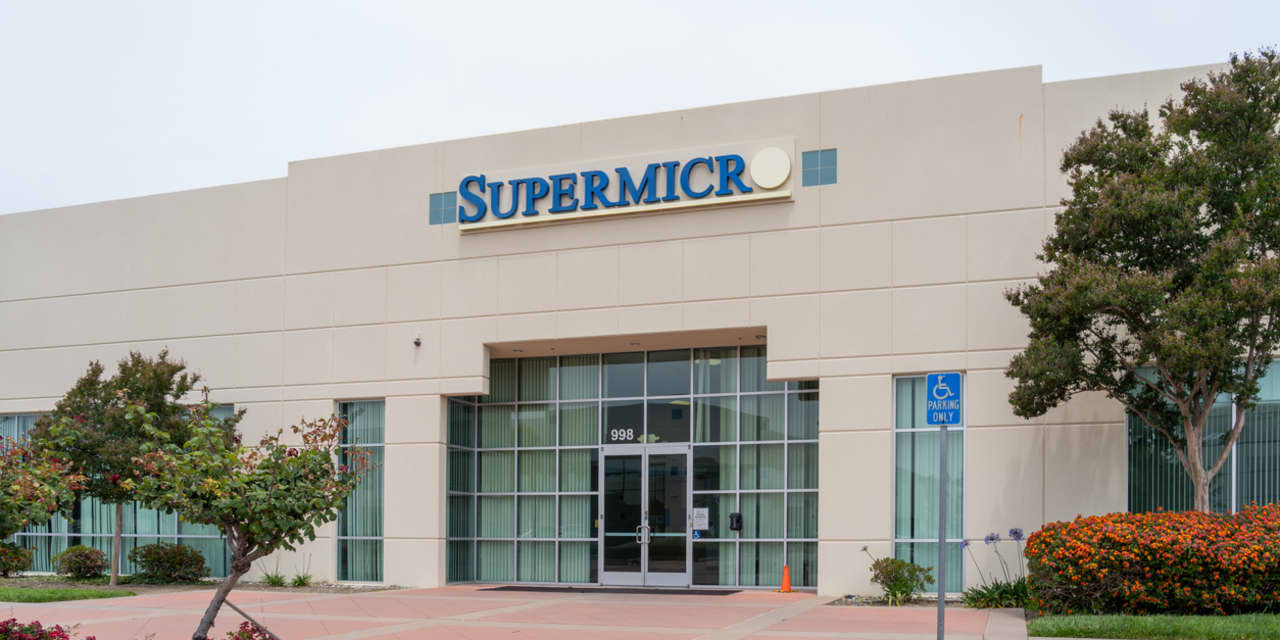
The U.S. government has filed charges against a co-founder of Super Micro and two other individuals, accusing them of orchestrating a scheme to bypass export laws that aim to prevent advanced American chips from reaching China. According to an indictment unsealed on Thursday, Wally Liaw is charged with conspiring to divert billions of dollars worth of computer servers containing heavily regulated Nvidia chips to China.
The indictment alleges that the accused individuals worked with a Southeast Asian company that would place large orders for Super Micro servers and then arrange for their onward shipment to China. Federal prosecutors described the actions as a “brazen evasion” of U.S. export controls.
A Web of Deception and Concealment
Federal prosecutors stated that Liaw and his associates engaged in a complex network of lies, obfuscation, and concealment to boost sales and generate revenue while violating U.S. law. Although Super Micro was not named as a defendant in the case, Liaw holds significant roles within the company, including co-founder, board member, and vice president of business development.
In response to the allegations, Super Micro has placed Liaw and another employee, Ruei-Tsang Chang, on administrative leave. The company also terminated its relationship with Ting-Wei Sun, a contractor who is also alleged to have participated in the conspiracy.
Super Micro issued a statement saying that the conduct described in the indictment violates the company’s policies and compliance controls, particularly efforts to circumvent export-control laws. The company emphasized that it has been cooperating fully with the government’s investigation and will continue to do so.
Impact on the Company and Market
Despite the company’s cooperation, shares of Super Micro fell by 28% in premarket trade on Friday. Jendela Magazine attempted to reach out for comment but did not receive immediate responses from Super Micro, Liaw, Chang, or Sun.
An Nvidia spokesperson commented on the situation, stating that strict compliance is a top priority for the company. “Unlawful diversion of controlled U.S. computers to China is a losing proposition across the board,” the spokesperson said. “Nvidia does not provide any service or support for such systems, and the enforcement mechanisms are rigorous and effective.”
The U.S. Attorney’s Office did not immediately respond to requests for comment.
Measures to Hide the Scheme
Federal prosecutors claimed that extensive measures were used by Liaw and others to keep the scheme secret. These included creating non-working replicas of the company’s servers to mislead inspectors. Prosecutors also allege that the defendants fabricated documents, staged fake equipment to pass audit inventories, and used a pass-through company to hide their misconduct and true clientele list.
Geopolitical Implications
Chip-making technology has become a central point of contention in the geopolitical rivalry between the U.S. and China. Semiconductors produced by companies like Nvidia and Advanced Micro Devices are considered the gold standard. The U.S. has imposed restrictions on chip sales to China, setting performance limits on the chips that U.S. companies can sell in the country.
The most advanced Nvidia chips, for example, are not permitted to be sold in China due to national security concerns. The lawsuit claims that the Nvidia chips diverted to China through the alleged scheme were specifically subject to export controls.
This case highlights the growing tension over the control and distribution of advanced technology, with the U.S. taking strong measures to protect its strategic interests. As the investigation continues, the implications for global tech supply chains and international relations remain significant.