Ilhan Omar Urges Republicans to Block Voter ID Bill for Citizens’ Protection
A Bold Stand Against the SAVE Act
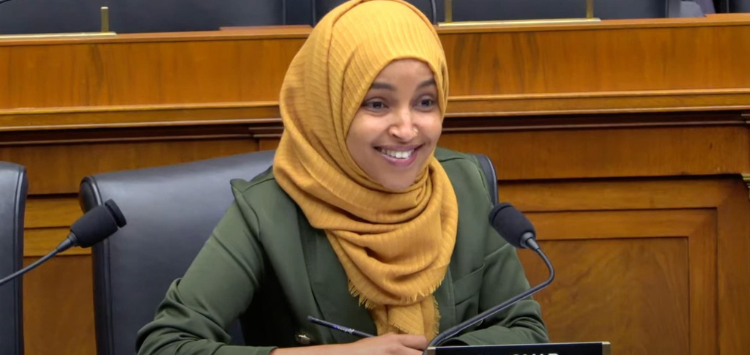
U.S. Representative Ilhan Omar has issued a strong and direct warning to Senate Republicans regarding the controversial Safe Guard American Voter Eligibility Act (SAVE Act), calling it a form of voter suppression. On Thursday, March 19th, she took to X to express her concerns, stating that the bill would disenfranchise millions of American citizens.
“Here’s a clear message for my Senate Republican colleagues: we will NOT support a bill that disenfranchises millions of American citizens,” Omar wrote. “The SAVE Act is voter suppression. It’s a NO.”
Omar is urging every Republican lawmaker to oppose the controversial Act, emphasizing that if passed, it would create significant barriers for eligible voters. The Senate is currently engaged in a multi-day debate over the legislation, which has already passed the House twice but is now stalled in the upper chamber.
“The SAVE Act is not about protecting elections, it’s about blocking people from voting,” Omar said during a Capitol Hill news briefing. “Low-income Americans, people of color, immigrants, married women, and young voters would face impossible barriers under this law.”
What the SAVE Act Entails
The SAVE Act would require in-person documentation proving U.S. citizenship for anyone registering to vote in federal elections. Acceptable documents include a valid U.S. passport, birth certificate, naturalization certificate, military ID, or certain Tribal IDs. Standard state driver’s licenses without proof of birthplace or citizenship would no longer suffice.
The bill also includes provisions to remove undocumented voters from the rolls and restrict mail-in voting, except for military personnel or voters traveling or ill. This has raised concerns among Democrats and advocacy groups who argue that these measures could disproportionately affect vulnerable populations.
Divided Opinions in the Senate
Senators remain sharply divided on the issue. Republican supporters, including Senator Mike Lee (R-Utah) and Senate Majority Leader John Thune (R-S.D.), argue the measure is necessary to safeguard elections. However, Senator Lisa Murkowski (R-Alaska) joined all Senate Democrats in opposing advancing the bill.
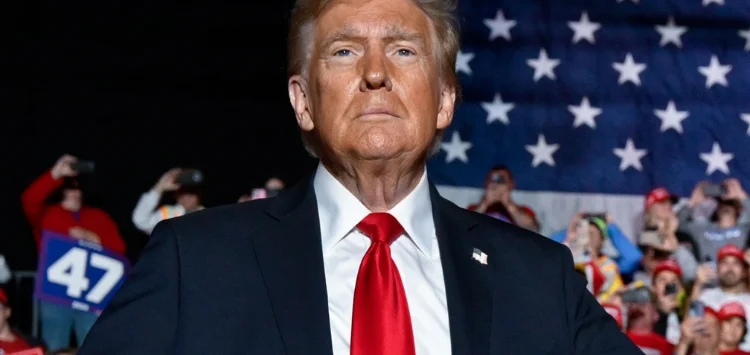
Democrats, led by Senator Chuck Schumer (D-N.Y.) and Senator Elizabeth Warren (D-Massachusetts), have vowed to filibuster, citing concerns that the bill would disenfranchise millions of voters who lack easy access to the required documents. President Donald Trump has also amplified pressure on Senate Republicans, warning in a Truth Social post that he will withhold his signature from other legislation until the SAVE Act passes.
“Only sick, demented, or deranged people in the House or Senate could vote against this bill,” Trump wrote.
Concerns About Disproportionate Impact
Several Democrats also highlight how the law could disproportionately affect married women. Many women adopt their spouse’s surname, meaning their birth certificates often no longer match their legal names. The SAVE Act does not accept marriage certificates or other name-change documentation as proof of identity.
While this impacts women most directly, men and unmarried women who have changed their names for other reasons would also face barriers. Despite the House passing the bill 218-213, the SAVE Act faces a steep climb in the Senate.
A filibuster would require 60 votes to break, making final passage uncertain. Progressive leaders continue to warn that forcing the bill through could create a modern-day voter suppression mechanism, blocking Americans from exercising their constitutional right to vote.
“This is about protecting American citizens’ right to vote,” Omar said. “No politician, Republican or Democrat, should support a law that effectively silences millions of Americans.”
The Broader Implications
The outcome of the SAVE Act debate could shape voting access and election policy for years to come, as lawmakers weigh election security against the potential disenfranchisement of millions of eligible voters.