Birding haven on Texas border faces uncertain future if wall is built
A Unique Life at the Edge of the Border
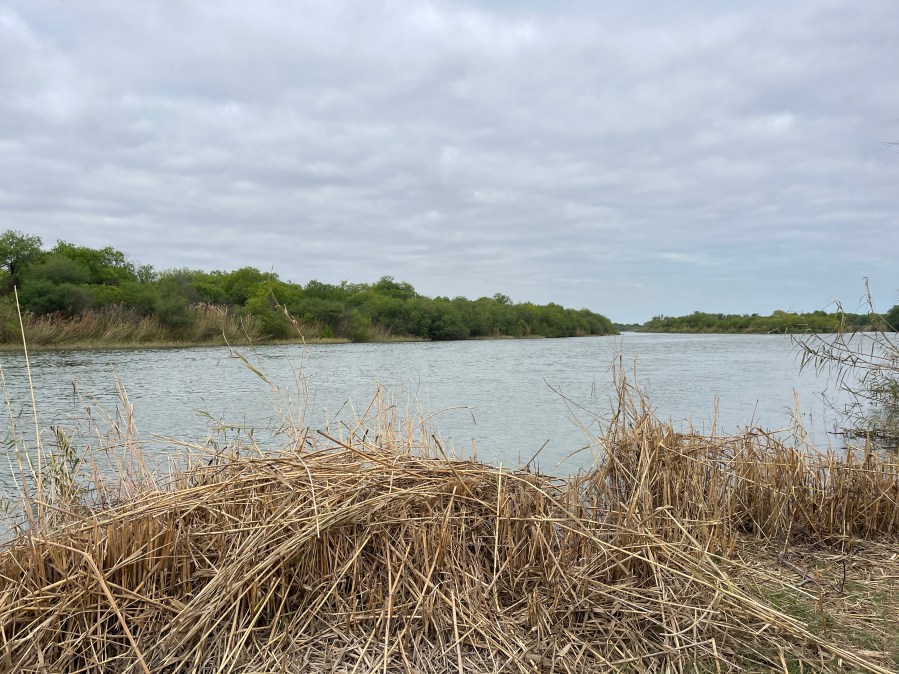
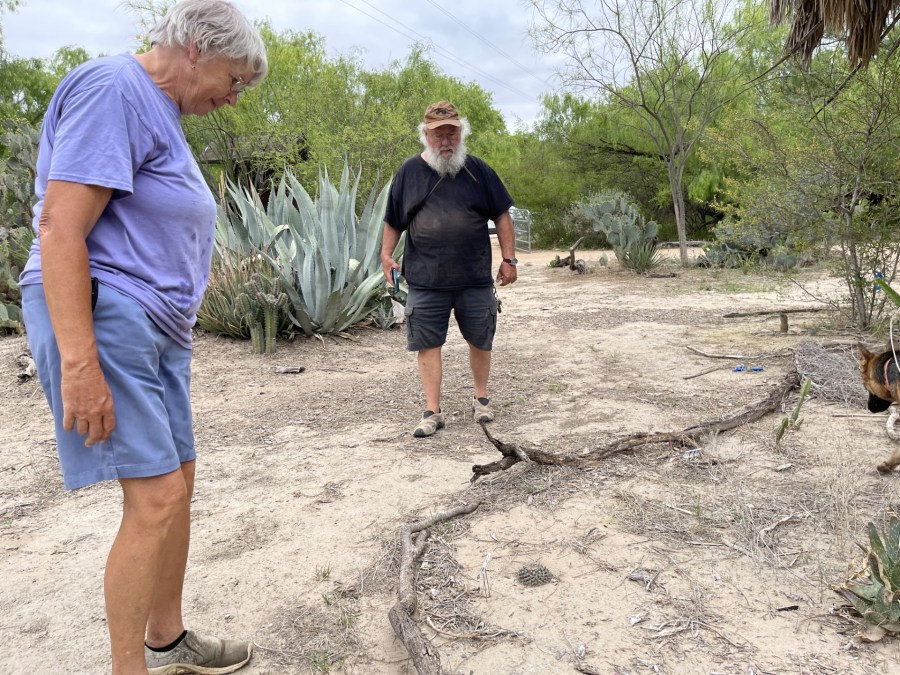
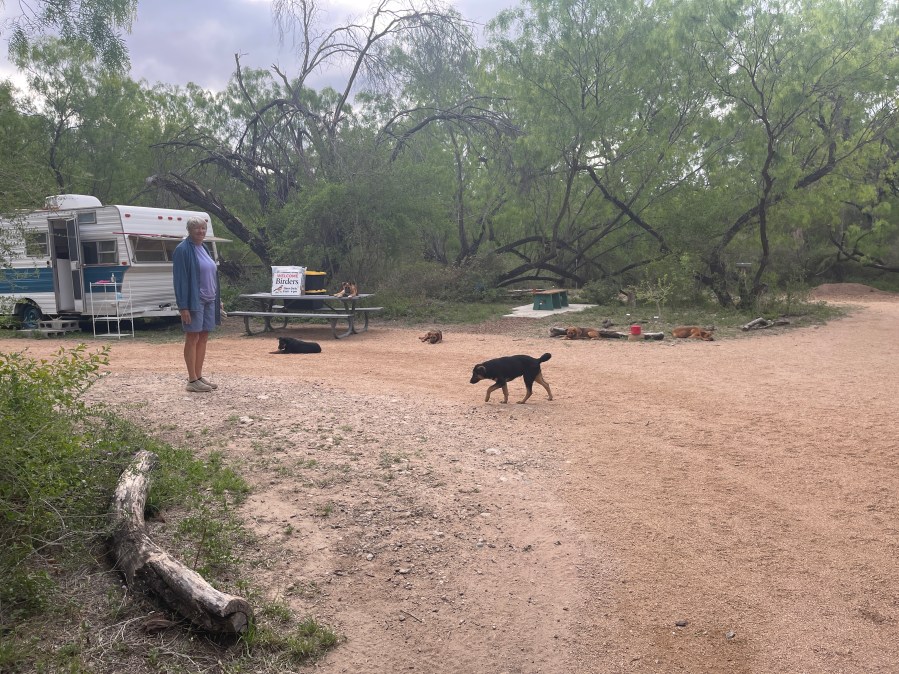
In the small town of Salineño, Texas, nestled in the far western part of Starr County near the Mexican border, Cate and Bob Bowman have spent three seasons as caretakers of a 2.6-acre wildlife preserve. This past season, which ended on Sunday, marked their third year working with the U.S. Fish and Wildlife Service. However, it might also be their last if a proposed border wall is constructed through the area.
The Bowmans are preparing to pack up their 24-foot-long motor home and move out West for the summer, eventually returning to their home state of Maine. As they go through the shed filled with winter items, they’re reflecting on their time here and the potential changes that could come with the construction of a border wall.
The Impact of a Border Wall
Bob Bowman expressed his concerns about the impact a border wall could have on the preserve. He believes that such a structure would devastate the local habitat and likely deter tourists from visiting. “If they’re actually doing construction on the border wall along our back line, it would be hard to imagine how we could be open,” he said during a tour of the preserve.
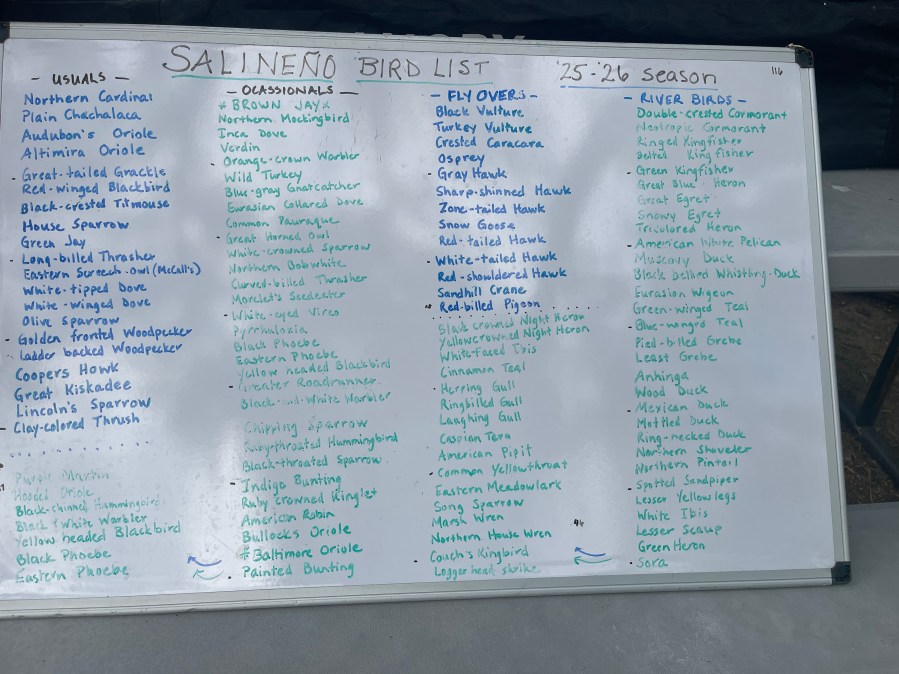
The preserve has become a haven for wildlife and birders alike. During this season, the Bowmans recorded 116 species of birds, including rare sightings like the brown jay, which only a few have seen in the United States. The presence of these birds has drawn visitors from all over the country and even internationally.
A Home for Wildlife and a New Family
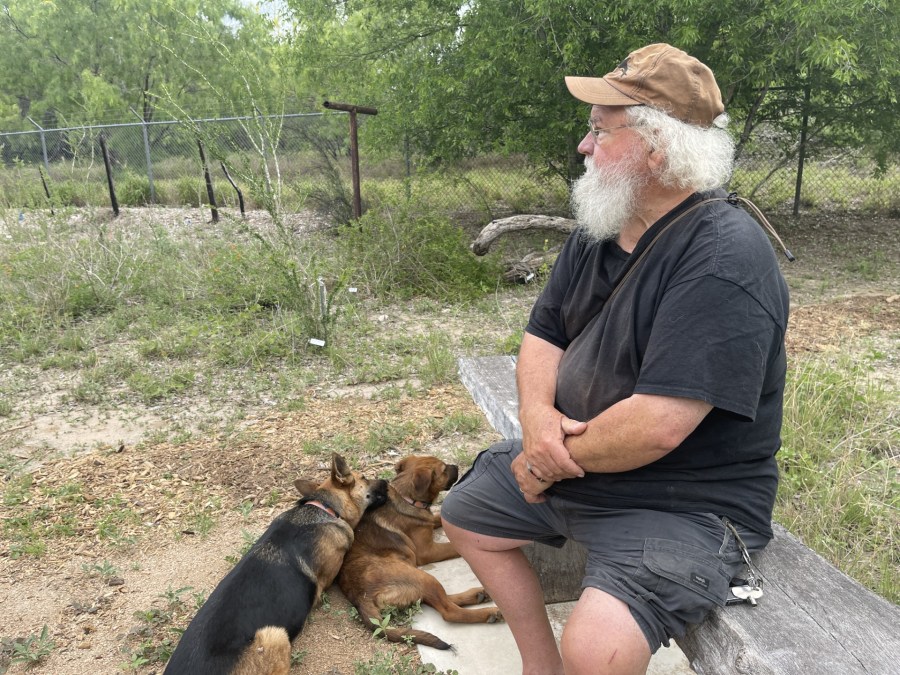
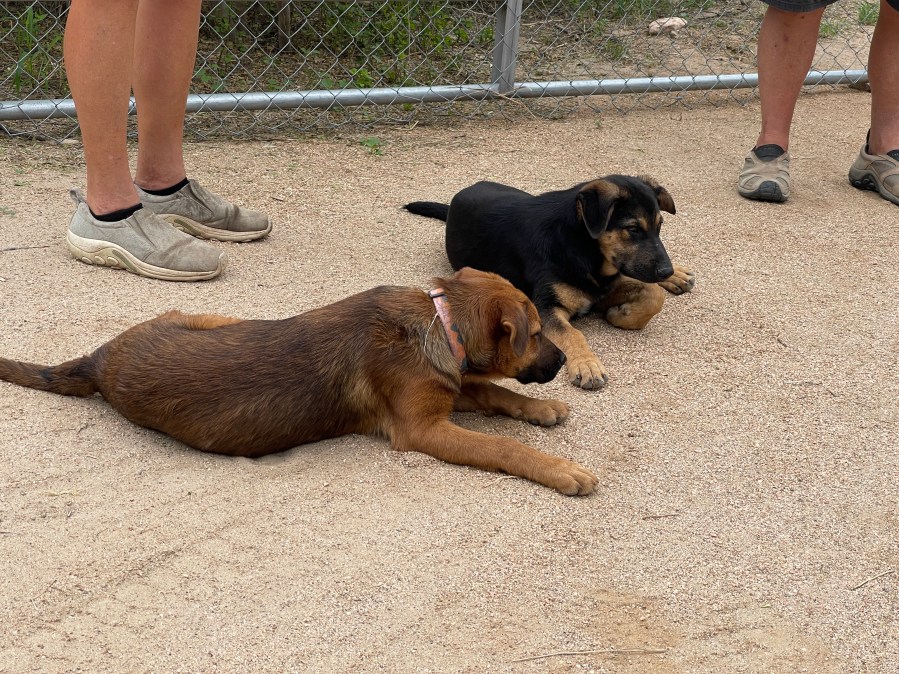
The preserve is not just a place for birds; it’s also a sanctuary for animals. One of the most heartwarming stories involves a mother dog who was abandoned near the river and gave birth to eight puppies in November. The Bowmans discovered the emaciated and exhausted mother in January and have since been caring for the puppies.
They feed the puppies 8 pounds of puppy chow daily and have delayed their departure until they can find homes for the young dogs. The mother was spayed in McAllen, and the Bowmans paid for the procedure themselves. They are reaching out to families and pet adoption agencies through their Friends of Salineño Facebook page, hoping for help in finding new homes for the puppies.
A Life of Service and Passion
Before becoming caretakers of the preserve, Bob had a different life as a boat captain in Maine, studying whales on research vessels. He says watching whales prepared him for birding, as they often watched birds while waiting to see whales. Now, he finds joy in guiding visitors through the preserve and sharing his knowledge of the local wildlife.
Cate and Bob have made many friends in the community and have enjoyed the vibrant ecosystem of the preserve. They noted that this season was one of the most visited since the pandemic, with 2,055 visitors since they opened in November for the 2025-2026 season.
Concerns About the Future
Despite the positive experiences, the Bowmans are worried about the future of the preserve. The U.S. Customs and Border Protection has plans to build a wall through the area, which could disrupt the delicate balance of the ecosystem. They also fear that buoys being placed in the Rio Grande could prevent deer from swimming across and harm turtles that sun themselves on rocks in the river.
Miles of new border wall have already been built through Roma in the past two years, and the Bowmans can hear the construction nearby. Officials are also clearing nearby islands in the middle of the Rio Grande of brush and trees, which they claim is a border security measure but has caused anger among locals.
Debralee Rodriguez, executive director of Valley Land Fund, which owns the preserve property, mentioned that federal officials tried to survey the preserve last year but were denied access. She has not seen updated mapping to confirm if any wall would go through the property.
The funds for these new border wall projects come from $46 billion in the Big Beautiful Bill signed by President Trump. This bill included no exemptions or exceptions, leaving the future of the preserve uncertain.
A Call for Awareness
The Bowmans are not paid for their work at the preserve. Instead, they park their trailer on the property in exchange for putting out bird food several times a day and giving tours to the steady stream of birders who visit daily. The preserve is located nine miles west of the border town of Roma, Texas, across the Rio Grande from Ciudad Mier, Mexico.
As the situation unfolds, the Bowmans remain hopeful that the preserve will continue to thrive and serve as a sanctuary for wildlife and visitors alike. For now, they are focused on finding homes for the puppies and ensuring the preserve remains a place of beauty and conservation.