Iran Refuses to Discuss Hormuz as Regime Entrenches
Escalation in the Middle East and Global Energy Concerns
Iranian officials have become increasingly hesitant to engage in discussions about reopening the Strait of Hormuz, as they focus on surviving the ongoing US-Israeli attacks. A source with direct, high-level contact with Tehran revealed that this reluctance is a result of the escalating conflict, which has made it difficult to resume commercial shipping through the vital waterway.
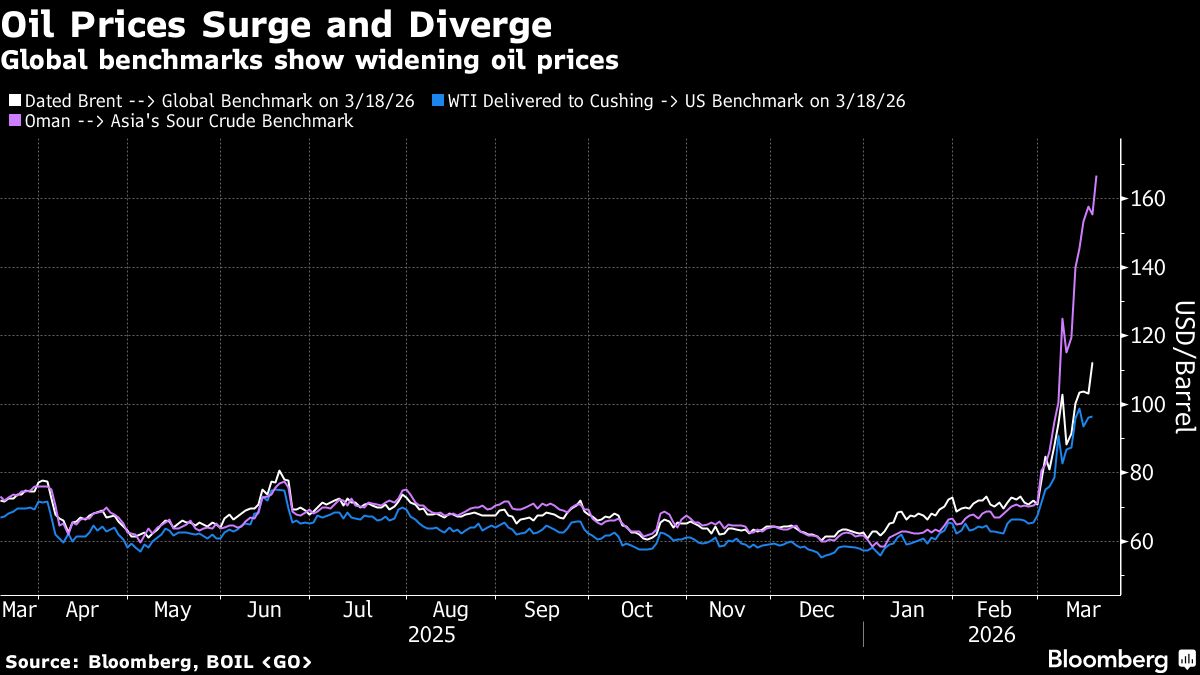
The recent killing of security chief Ali Larijani, along with attacks on energy infrastructure and high-profile Iranian officials, has significantly slowed efforts to restore normal operations in the region. This has led to a sharp increase in global oil prices. Brent crude prices surged above $110 per barrel, while the most active US crude futures climbed over 2.5% to trade above $98 per barrel.
Further tensions arose after a CBS News report indicated that Pentagon officials were preparing for a potential deployment of US ground troops into Iran. Although the circumstances under which President Donald Trump might authorize such an operation remain unclear, the news sent energy prices even higher.
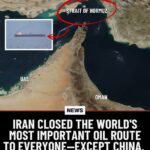
The effective closure of the Strait of Hormuz—a critical chokepoint for approximately a fifth of global oil and liquefied natural gas—has caused a surge in energy prices and forced the Trump administration to take urgent measures to stabilize gas prices.
With Iran refusing to negotiate on the issue of the Strait and Trump seemingly unwilling or unable to pursue a diplomatic solution, the risk of further escalation remains high. Prolonged energy price increases could continue to negatively impact the global economy.
“Nobody wants to be a leader over there anymore. We’re having a hard time. We want to talk to them, and there’s nobody to talk to,” Trump remarked, highlighting the current impasse.
Western intelligence assessments suggest that Iran is tightening its grip on power, with surviving leaders consolidating their influence. At the Strait of Hormuz, Iran appears to have significant control over the transit of a limited number of vessels.
The strikes by US and Israeli forces have eliminated some of the leaders who previously engaged in negotiations with foreign countries, including Larijani. This has created a vacuum in diplomatic efforts, making it difficult for the UK, France, and other nations to push for vessel escorts through the strait once the conflict ends.
European and Middle Eastern officials are losing confidence in the US and Israel’s ability to manage the situation. They fear deeper economic disruptions and are concerned about the long-term effects of the crisis. In Brussels, European Union leaders expressed worries about a sustained price shock.
This development poses a significant challenge for Europe, which is trying to simultaneously reduce energy costs, rebuild its military, and increase pressure on Russia to end its war in Ukraine. None of these goals can be achieved effectively if the Strait of Hormuz continues to disrupt the economy.
“The real issue now is to assert Europe’s position in this increasingly challenging world and to ensure that we can keep pace, both in terms of our defense capabilities and our energy supply,” said German Chancellor Friedrich Merz. “All of this is only possible with a strong economy.”
An Iranian foreign ministry spokesman and Tehran’s embassy in London did not immediately respond to requests for comment.
Widening War and Global Implications
At the start of the conflict, Iran reportedly told regional intermediaries that it was willing to discuss a truce if it received guarantees against further attacks. However, this possibility now seems unlikely.
The war, now in its fourth week, has resulted in over 4,200 deaths across the region and has effectively halted shipping through the Strait of Hormuz. While Iran’s attacks on energy sites have eased from their peak, Brent crude prices have maintained their upward trend, closing at the highest level since mid-2022.
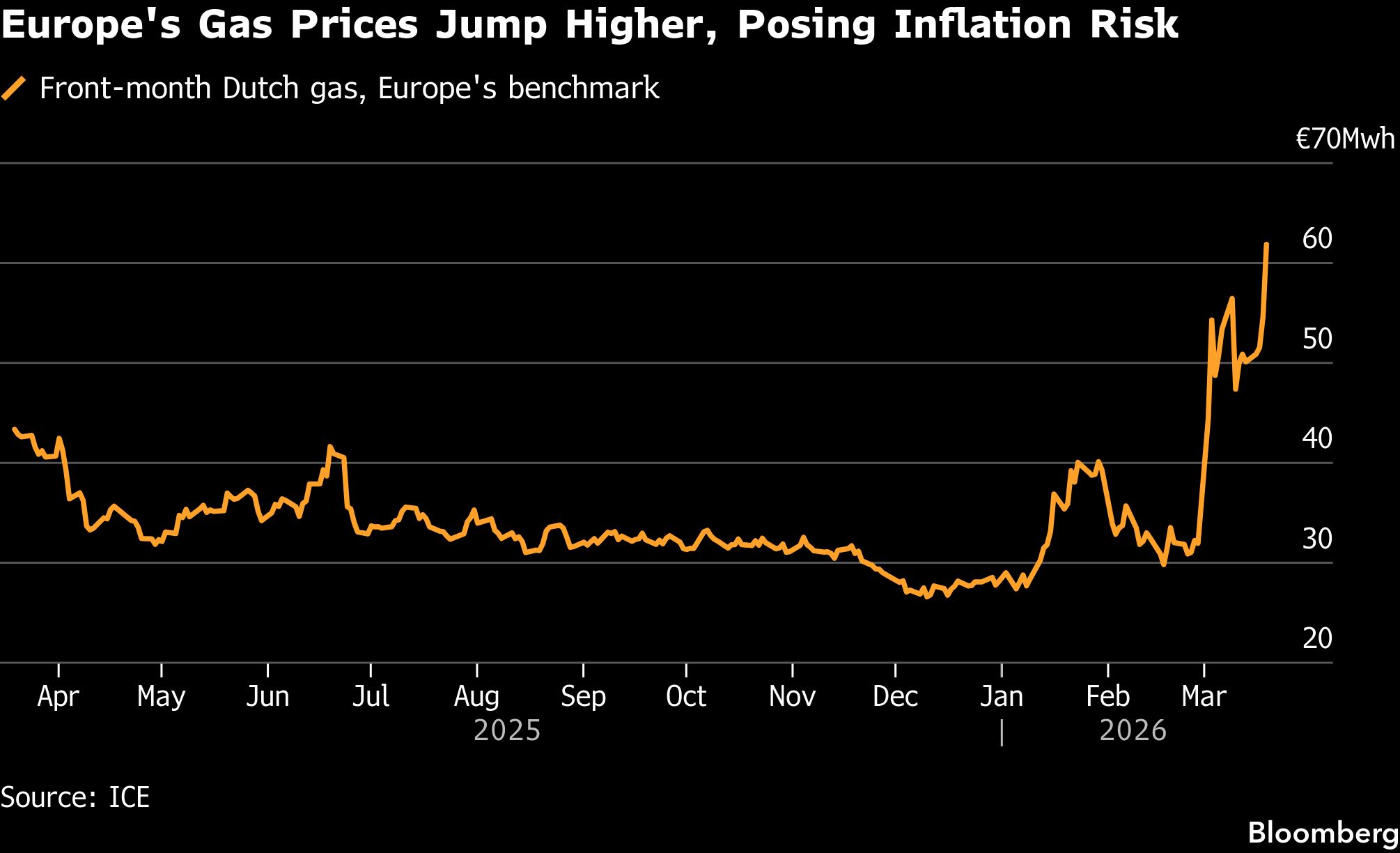
The crisis is intensifying global concerns about energy supply, especially after Israel bombed South Pars and Iran attacked Ras Laffan, two major gas facilities. The strike on Ras Laffan, in particular, has altered calculations and effectively removed Qatar from the list of reliable suppliers for several years.
On Thursday, the European Central Bank warned that a prolonged disruption could push euro-zone inflation to 6.3% and trigger a brief recession. “This is a clear example of the global consequences of this war,” said Swedish Prime Minister Ulf Kristersson. “Of course we are worried, and even more so all the countries that are heavily dependent on gas deliveries.”
A senior government official noted that the world has learned that Iran knows no limits and that energy infrastructure is no longer safe. There are growing concerns that if Iranian forces destroy infrastructure, the impact of the Strait’s reopening may be delayed until repairs are completed.
EU countries agree that the gas crunch will also spark a bidding war with Asia over liquefied natural gas supplies, leading to years of higher inflation. Additionally, it will reduce the availability of LNG supplies that had been expected to increase due to US output.
For the EU, this raises questions about whether the continent can truly phase out Russian energy as retaliation for the invasion of Ukraine. The planned phaseout of Russian gas relied on the expectation that the EU could secure more supplies from the Middle East and the US. There is a growing risk that a planned Russian oil ban may be postponed.
This would be a significant benefit for Russian President Vladimir Putin, who is already profiting from increased global oil prices that help fund his war in Ukraine.
Even if the US and Israel manage to withdraw from the conflict, there are fears that ships will still avoid the Strait of Hormuz, according to a senior European official. “I have a lot of concerns with what’s going on with the attacks on energy infrastructure in the Middle East,” said Dutch Prime Minister Rob Jetten. “The worldwide impact would or could be severe.”