Iran’s War Disrupts Global Trade
The Impact of the Middle East Conflict on Global Shipping
The ongoing conflict in the Middle East has created a ripple effect across global trade, disrupting supply chains that are crucial for international commerce. Emanuele Grimaldi, managing director of Grimaldi Group, one of the world’s largest car carriers, found himself in a challenging situation when U.S. and Israeli munitions began targeting Iran. His shipment of European cars bound for the Persian Gulf is now delayed indefinitely.
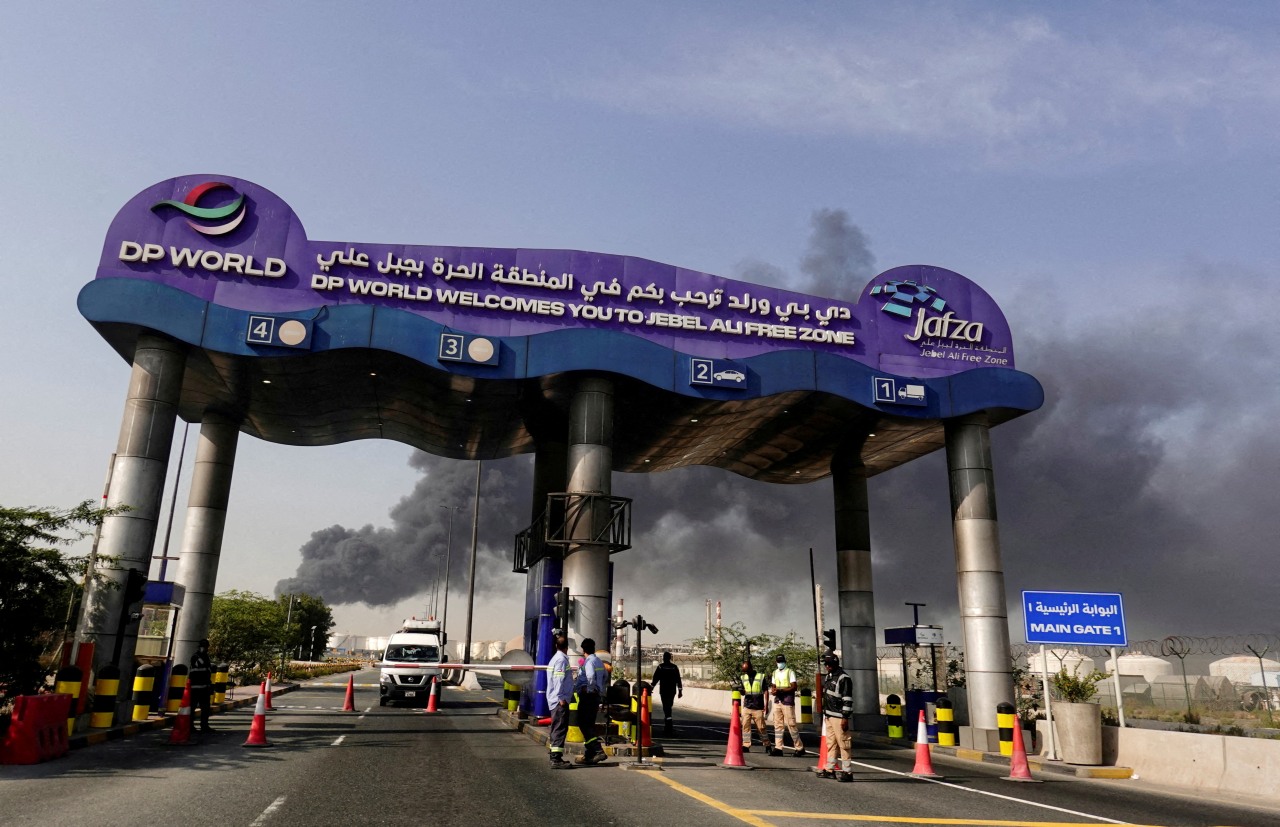
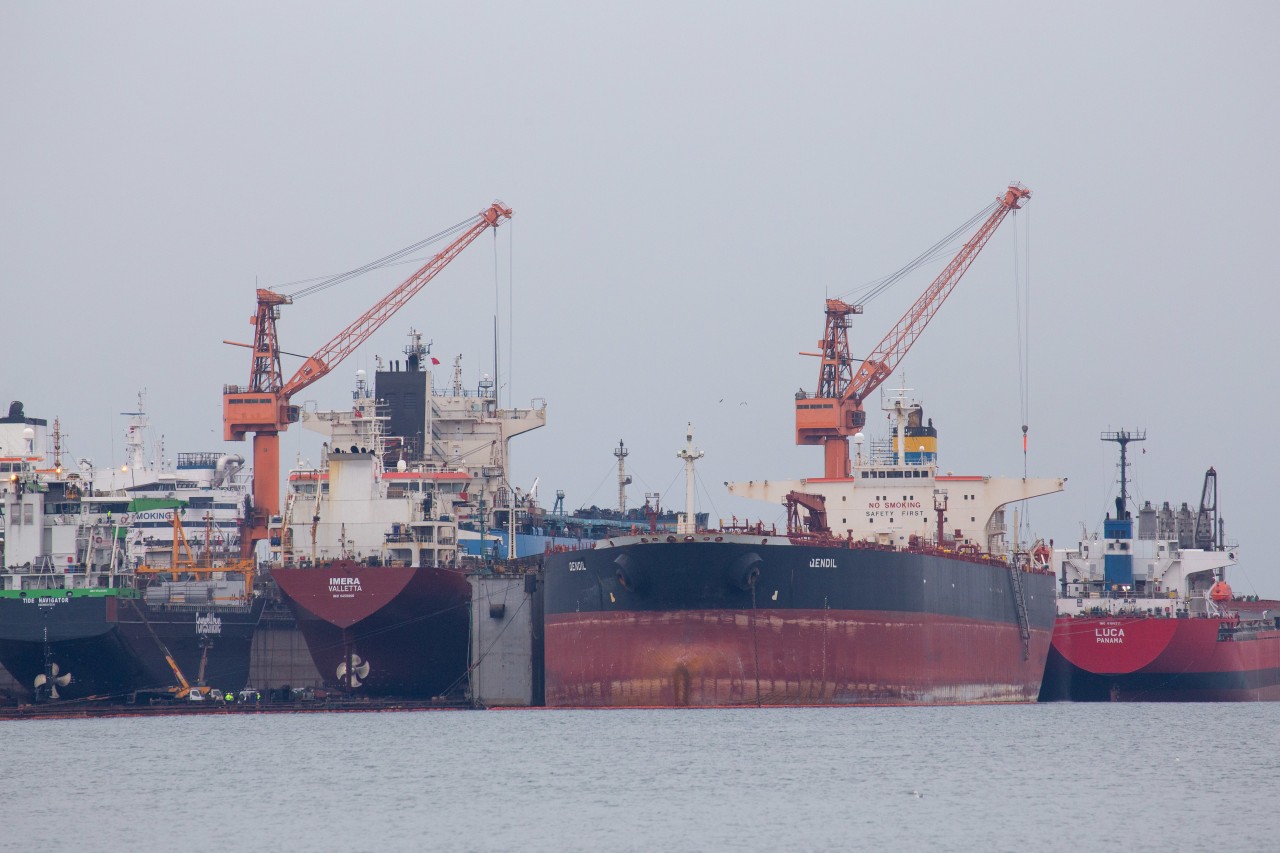
The war has significantly affected oil and gas markets, but its impact extends far beyond energy. Ports around the Indian Ocean are experiencing a surge in redirected cargo, and shipping rates from Asia to areas near the Middle East have skyrocketed. Fuel shortages are also being reported at major shipping hubs in Asia, with over 100 ships currently stuck in the Gulf.
One of the main issues is the effective closure of the Strait of Hormuz, a critical waterway between Iran and Oman. This strategic passage is vital for global trade, and its closure has led to significant disruptions. Grimaldi explained that the situation must be resolved because it affects the entire world economy.
Faced with the challenge of delivering cars to the Gulf, Grimaldi opted to offload his cargo at a port in Kenya, which offers secure storage. However, another Grimaldi ship heading to the Middle East is still searching for a place to unload, while a third is trapped in the Gulf itself.
“Most of the nearby ports are full now,” said Grimaldi. “Discharging a vessel with five or six thousand cars requires a lot of space.”
Major container-shipping companies like A.P. Moller-Maersk and Hapag-Lloyd have suspended key routes in and out of the Middle East due to safety concerns. These disruptions are adding to costs and delays for businesses worldwide.
The situation is particularly challenging for the shipping industry, which was just beginning to regain confidence in sending cargo between Europe and Asia via the Red Sea. This route had been closed for two years due to attacks by Yemen’s Houthi rebels, forcing companies to rely on longer, more expensive voyages around Africa.
So far, Pacific Ocean routes serving much of the U.S. market remain largely unaffected, but shipping companies are closely monitoring the situation. Analysts warn that the availability and cost of fuel could become a major issue if the strait remains closed for an extended period.
Maersk Chief Executive Vincent Clerc noted that the longer the strait stays closed, the more difficult it becomes to replenish oil inventories in Asia. Maersk has 10 ships trapped inside the Gulf, and Clerc estimates it would take at least a week to 10 days to resume normal operations even if a cease-fire is achieved.
On Thursday, a Maersk-operated ship was hit by fragments of a projectile, causing a fire. The Source Blessing ship, which normally runs a shuttle service from Qatar through the Strait of Hormuz to Oman, is now in limbo outside Dubai.
While some ships have managed to pass through the strait, including those under Chinese and Turkish flags, analysts suggest that these limited transits are more about testing the waters than a return to regular sailings.
Business Disruptions and Rising Costs
Among those desperate for a resumption of regular traffic is Yin Weile, a 38-year-old exporter who had a shipment of hair clips and playdough scheduled to arrive at Dubai’s port from China just as the conflict broke out in late February. The ship turned around and docked in Karachi, Pakistan, where the cargo—worth about $43,000—is now stuck, costing Yin roughly $200 a day in fees.
The Chinese shipping company used by Yin offered to transport the goods to Khor Fakkan, a port just south of the Strait of Hormuz, for an additional $5,400—including a $3,000 “war surcharge”—but not through the strait. An 80-mile overland route to Dubai would be for Yin to arrange.
“We asked some of the industry veterans for ideas, but nobody had good ones,” said Yin.
When Iran announced its intention to close the Strait of Hormuz, some shipping companies declared “end of voyage” for cargoes bound for the Gulf, depositing them at alternative ports for customers to handle. This legal maneuver, akin to a maritime “force majeure,” has never been used at scale before and may now face legal scrutiny. It is the first time an entire shipping region has been closed off.
Mumbai has become a popular destination for such cargo, leading to congestion. Companies now pay an average of $2,107 to ship a 40-foot container from China to India’s commercial capital, up 56% since the first U.S.-Israeli attacks on Iran, according to data provider Xeneta. Rates for shipments from Asia to Europe have also increased, albeit more modestly for now.
The rising costs are putting pressure on everyone involved in trade through the Indian Ocean.
“Right now, everyone is asking for money from everyone,” said Yin.