Patricia Mac Bride: The Hidden Toll of War on Women and Children
The Disproportionate Impact of War on Women and Children
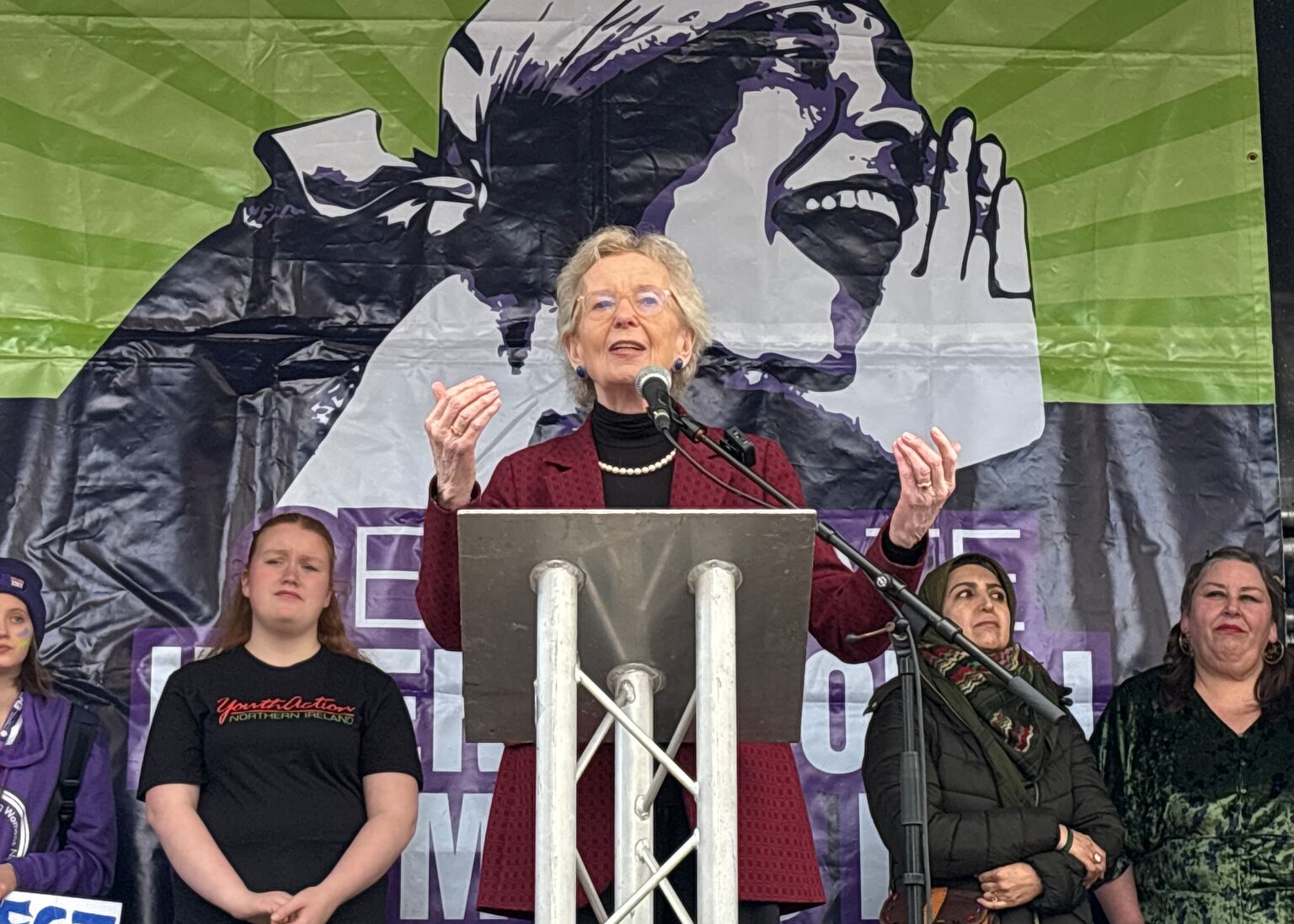
At a rally in Belfast on Saturday to mark International Women’s Day, former President Mary Robinson highlighted the ongoing conflicts in the Middle East, particularly focusing on Israel and the United States’ attacks on Iran. She emphasized that these actions are “illegal and breach international law.” Her remarks extended beyond geopolitics to address the plight of women and civil society in Iran, noting that they have endured significant suffering over the years, especially recently.
Robinson stressed that this suffering should not be used as justification for aggressive wars that only increase the misery of those already affected. This sentiment was underscored by the tragic incident in Minab, Iran, where an air strike killed at least 165 primary school girls just 10 days ago. It is now believed that this attack was carried out by the United States.
War, as history has shown, disproportionately impacts women and children. Conflicts often begin with men, but it is women and children who bear the brunt of the consequences. Modern warfare increasingly targets civilians rather than soldiers, placing a heavy burden on women and children, who are often left to manage the aftermath of destruction and displacement.
Gender Inequality in Times of Conflict
Armed conflict exacerbates existing gender inequalities, disrupting education, increasing poverty, and heightening exposure to sexual violence. According to the UN, women and girls account for about 95% of victims of conflict-related sexual violence, while more than 75% of displaced people are women and children.
The targeting or destruction of civilian infrastructure such as housing, schools, hospitals, and water systems further magnifies the gender-specific harm of war. Women, who are primarily responsible for care-giving, food provision, and household stability, face increased responsibilities when these systems are destroyed.
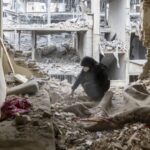
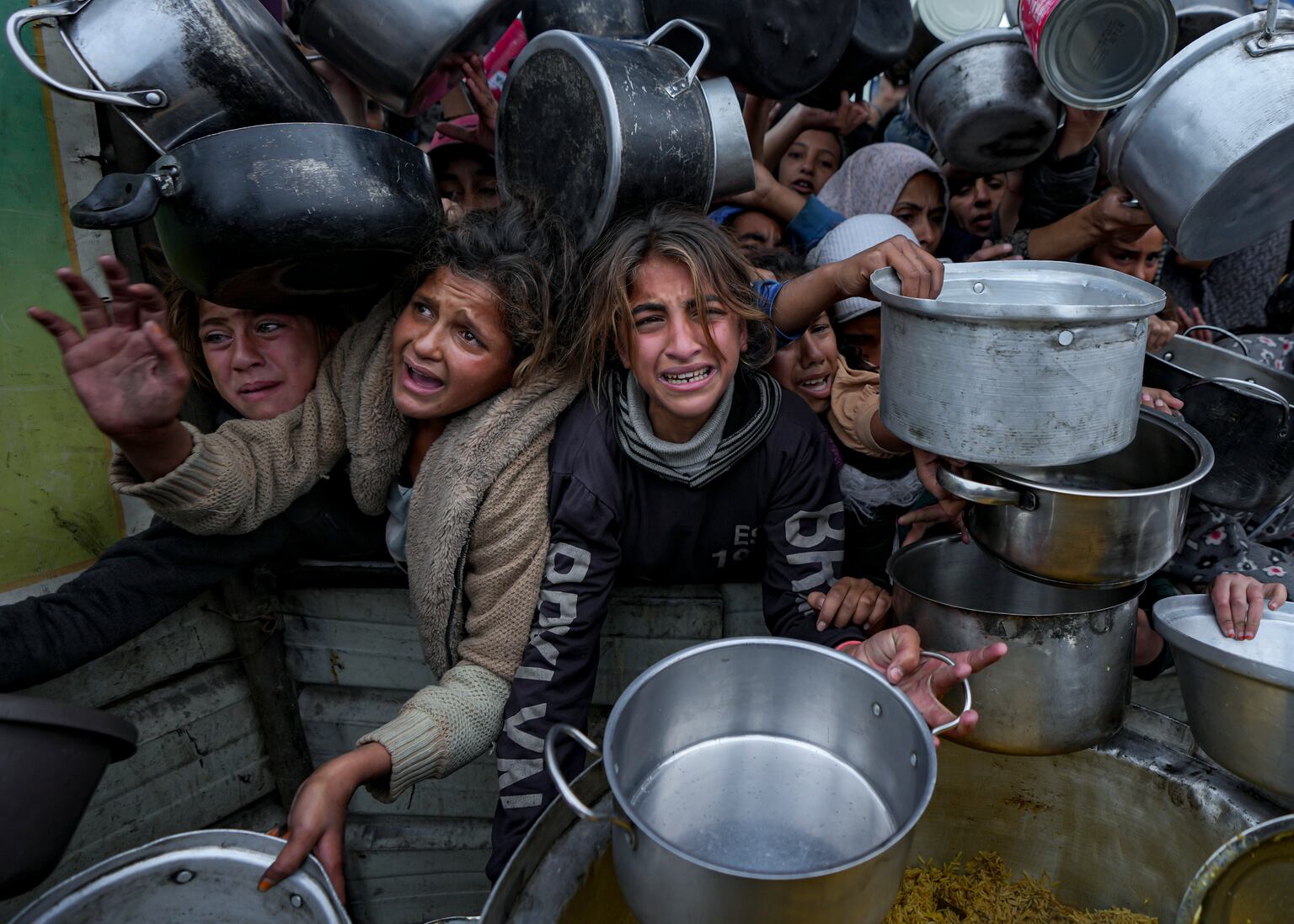
In Gaza, over the last two and a half years, women and children have constituted the majority of civilian casualties. Israeli air strikes on al-Shifa and Nasser hospitals resulted in the loss of power and oxygen to neo-natal intensive care units, leading to the deaths of at least 13 babies. The destruction of health systems limits maternal care and reproductive services, making the situation even more dire.
The genocide in Gaza provides one of the starkest examples of the disproportionate impact on women and children. According to UN Women, around 70% of those killed in Gaza during the conflict have been women or children, highlighting the civilian toll of urban warfare. The term WCNSF (wounded child, no surviving family) was coined due to the high number of children left without mothers. Thousands of children have been left without families, and the death toll continues to rise under a so-called ceasefire.
Long-Term Effects of War
Beyond immediate casualties, air wars produce long-term impacts that include displacement, widowing, and poverty. Women who lose husbands and partners in war often become sole providers for their children in fragile economic conditions. These structural pressures make them more vulnerable to exploitation, trafficking, and early marriage among displaced girls.
Russia’s invasion of Ukraine in 2022 triggered one of the largest refugee crises in Europe since World War II. The majority of those fleeing the country were women and children because men of fighting age were required to remain and fight. This displacement had several gendered effects, with women facing economic insecurity, language barriers, and increased vulnerability to exploitation.
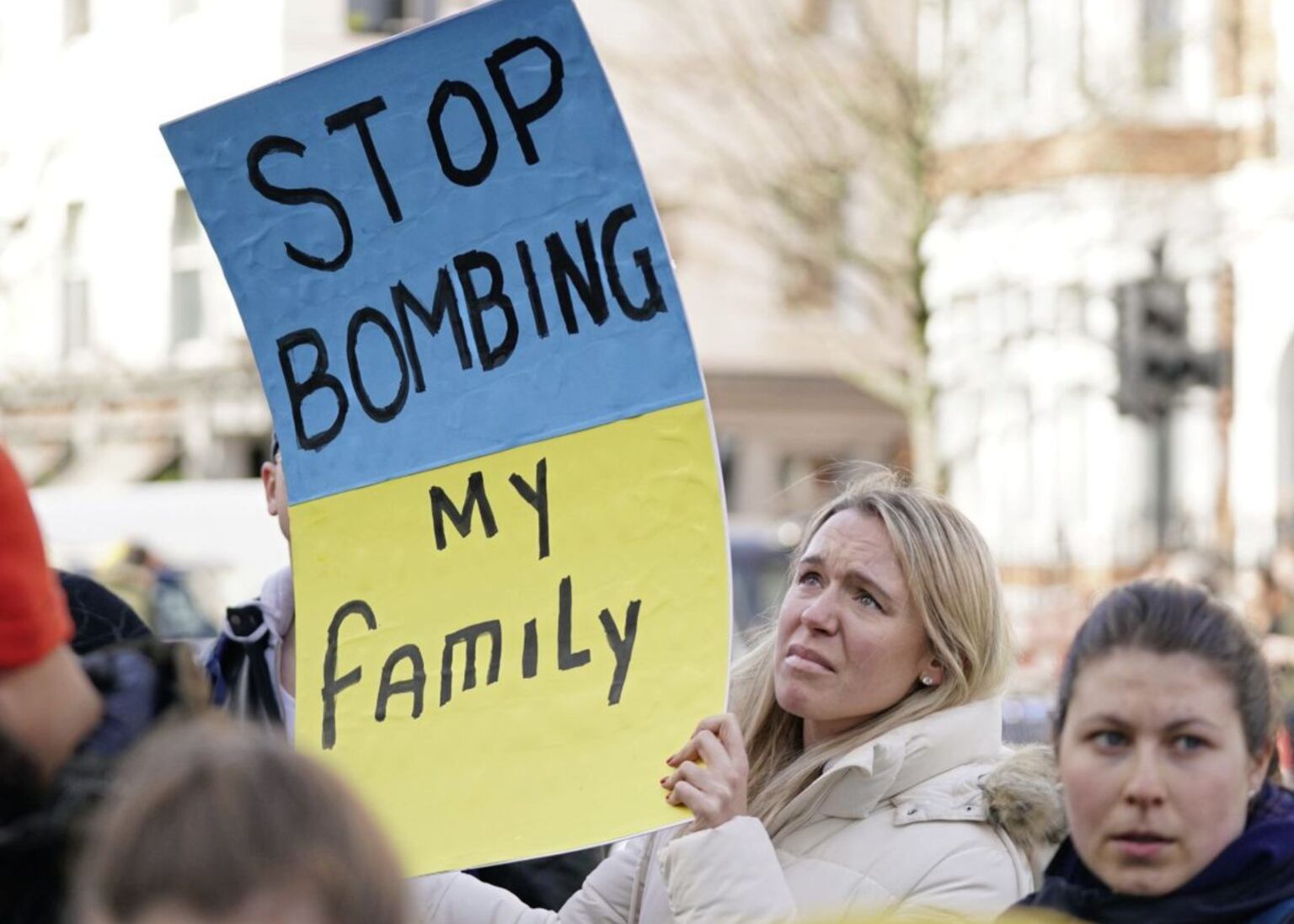
Reports by international organizations documented cases of conflict-related sexual violence in occupied areas, demonstrating how sexual violence is used as a tool of intimidation and control during war. Globally, such violence is a persistent feature of armed conflict, used to terrorize populations and fracture communities.
Political Justifications and Human Rights
Multiple American male politicians have spoken about the Iranian regime’s treatment of women in a way that lumps it in as partial justification for their latest war in support of Israel. However, if the US hadn’t abandoned the women of Afghanistan to their fate under Taliban rule, that argument might have had a shred of credibility.
The reality is that women cannot be free while warmongering men decide whose life is disposable in pursuit of money, land, natural resources, or simply greater power. From Afghanistan to Ukraine to Palestine and Iran, the pattern is consistent: war reshapes societies in ways that disproportionately harm women and children.
They face not only the direct violence of conflict but also the cascading effects of displacement, poverty, sexual violence, and political exclusion. Addressing these disparities requires recognizing that war is not gender-neutral and designing policies that actively protect those most vulnerable when conflict erupts.
Bombing civilian targets and denying aid in breach of international law is not how you support women.