Iran Targets Tourist Sites as U.S. Deploys Marines Amid Trump’s Exit Signals
Escalating Conflict in the Middle East
Three weeks into an intensifying conflict in the Middle East, Iran has issued a warning that it may expand its retaliatory attacks to include recreational and tourist sites globally. This comes as the United States announced plans to send additional warships and Marines to the region, signaling a significant military escalation.
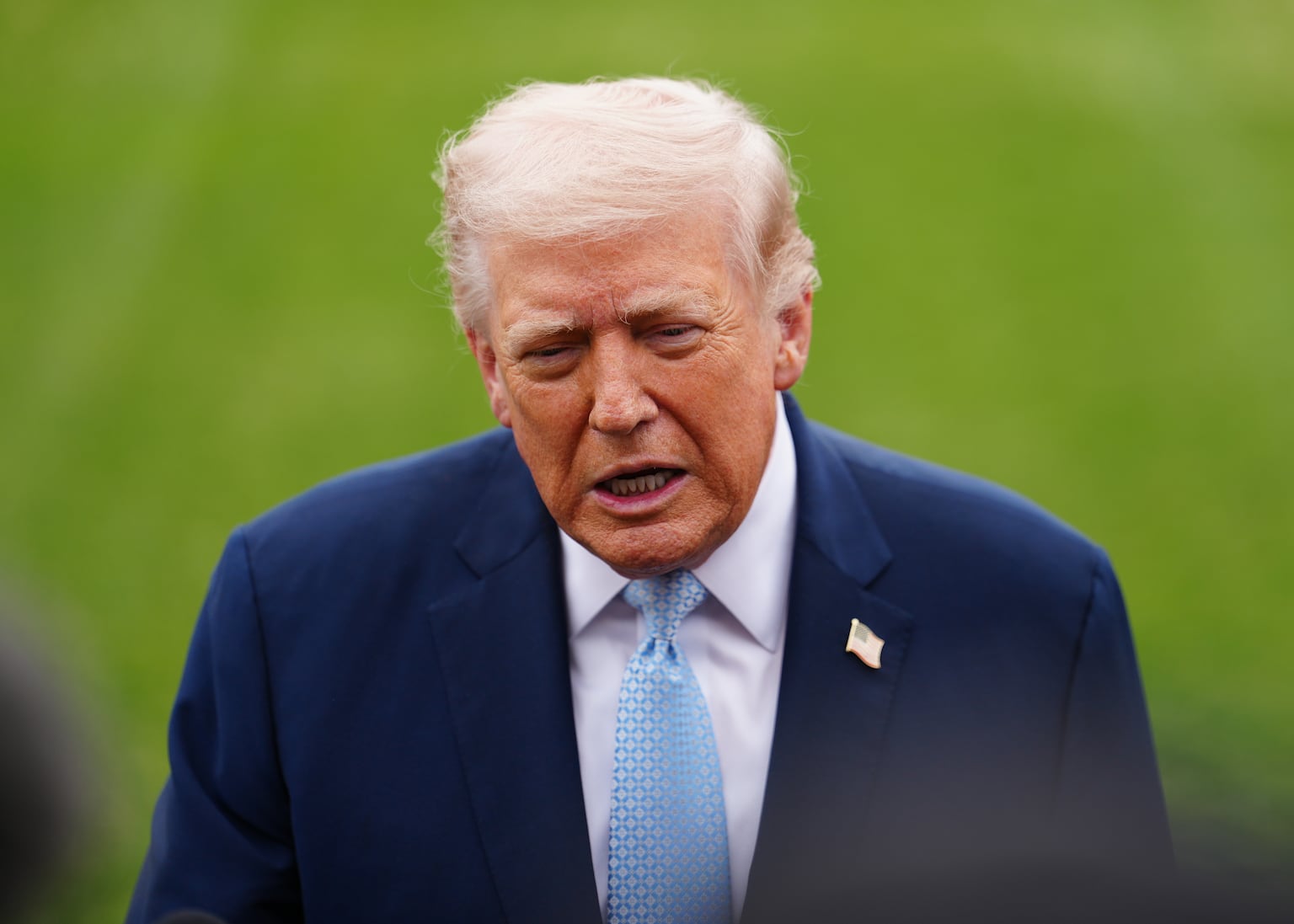
Following this announcement, US President Donald Trump took to social media on Friday to suggest that his administration was considering “winding down” military operations in the area. This statement created confusion, especially after the US government had previously taken steps to increase its presence in the region. The mixed messages from the administration have raised questions about the direction of US policy in the Middle East.
The situation has also been complicated by rising oil prices, which have led to a decline in the US stock market. In response, the Trump administration announced it would lift sanctions on Iranian oil loaded on ships, aiming to ease the pressure on fuel prices. However, this move has not yet translated into a noticeable drop in oil prices, with Brent crude oil reaching around $108 per barrel, significantly higher than the $70 it was before the conflict began.
Regional Tensions Continue to Rise
The ongoing conflict shows no signs of slowing down. Israel reported that Iran continued to launch missiles against it early on Saturday, while Saudi Arabia claimed to have shot down 20 drones in its eastern region, which is home to major oil installations. According to the defense ministry, there were no injuries or damage reported from these incidents.
Iran’s increased attacks on its Gulf neighbors have been linked to Israel’s bombing of its South Pars offshore natural gas field. At the same time, Iran has maintained control over shipping in the Strait of Hormuz, a critical waterway through which a fifth of the world’s oil and other essential goods pass.
The US and Israel have provided varying justifications for their involvement in the conflict, ranging from hoping to spark an uprising that could overthrow Iran’s leadership to targeting its nuclear and missile programs. However, there has been no visible sign of such an uprising, and the war appears far from ending.
Mixed Signals from the US Administration
In a social media post, President Trump stated, “We are getting very close to meeting our objectives as we consider winding down our great Military efforts in the Middle East.” This statement seems contradictory to the administration’s recent actions, which include bolstering military presence in the region and requesting an additional $200 billion from Congress to fund the war.
Meanwhile, Supreme Leader Ayatollah Mojtaba Khamenei praised Iranians’ resilience in the face of the war in a written statement broadcast on Iranian television to mark Nowruz. He claimed that US and Israeli attacks were based on the illusion that killing Iran’s top leaders could lead to the collapse of the government.
Khamenei has not appeared in public since he became supreme leader following Israeli strikes that killed his father, Ayatollah Ali Khamenei, and reportedly injured him.
Warnings of Global Attacks
Iran’s top military spokesperson, General Abolfazl Shekarchi, warned that “parks, recreational areas and tourist destinations” worldwide will not be safe for the country’s enemies. This threat has reignited concerns that Tehran may resort to militant attacks beyond the Middle East as a means of exerting pressure.
Oil Sanctions and Market Concerns
It remains uncertain whether lifting sanctions on Iranian oil will bring down prices. Despite the new policy, the flow of production has not increased significantly, which is a key factor behind the surge in oil prices. Iran has managed to evade US sanctions for years, suggesting that much of its oil already reaches buyers outside of the US.
To boost global oil supplies during the conflict, the Trump administration previously paused sanctions on certain Russian oil shipments for 30 days. Critics argued that this move rewarded Moscow without having a substantial impact on the market.
Escalation in Lebanon
Elsewhere, the Israeli military reported that it launched a wave of strikes targeting Hezbollah militants in Beirut’s southern suburbs. Smoke was seen rising, fires broke out, and loud explosions were heard across parts of central Beirut. Earlier in the day, the army renewed evacuation warnings for seven neighborhoods, prompting some residents to fire gunshots to alert families to flee. No injuries were reported.