Israel Plans ‘Massive’ Ground Attack on Southern Lebanon to Target Hezbollah
Israel Plans a Major Ground Invasion of Southern Lebanon
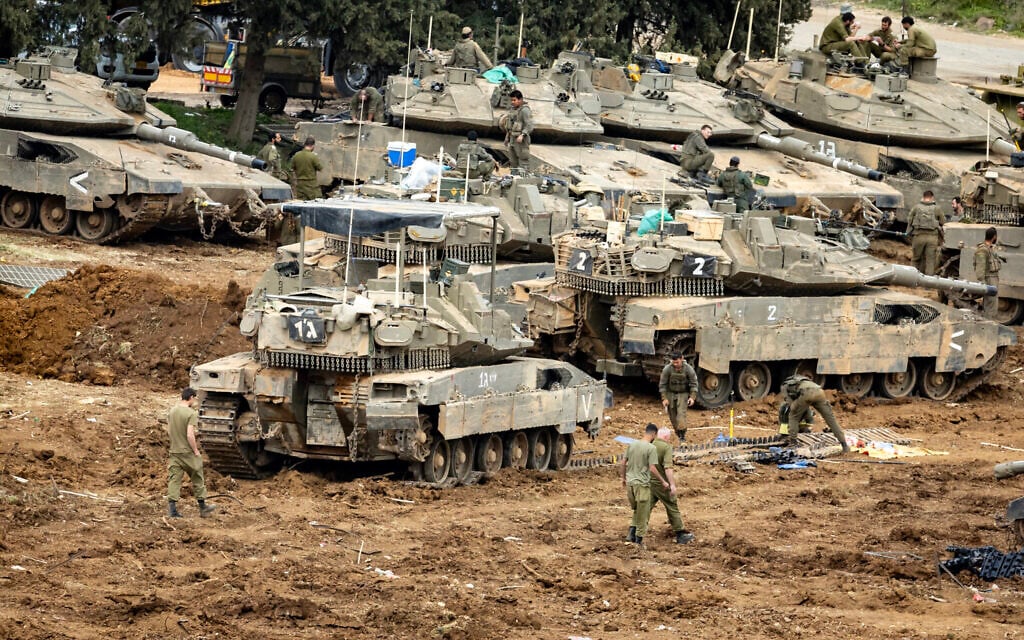
Israel is reportedly planning a large-scale ground invasion of southern Lebanon to push the Iran-backed Hezbollah group away from the border and destroy its weapons stockpiles and military positions. According to reports, US and Israeli officials have confirmed this plan, which has been described as “massive.” The operation aims to seize the entire area south of the Litani River, which divides Lebanon from east to west.
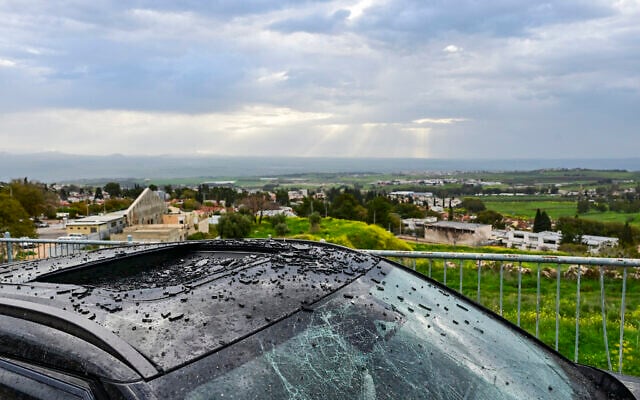
The move comes after Hezbollah launched a significant rocket attack on northern Israel on Wednesday, marking a turning point in the conflict. This attack was coordinated with Iran, which also fired missiles at the same time. The situation escalated further when Hezbollah’s leader, Naim Qassem, declared that his group is ready for a long confrontation with Israel.
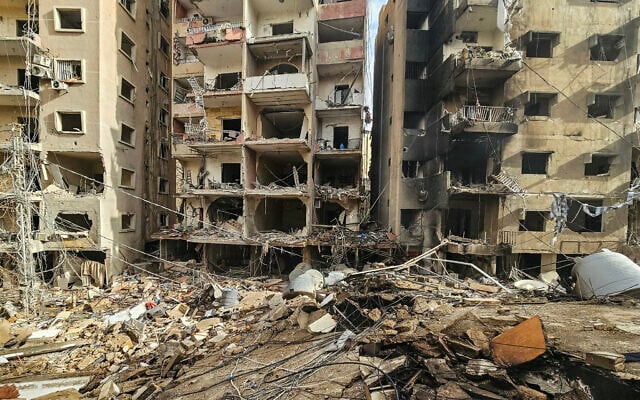
“We are going to do what we did in Gaza,” a senior Israeli official told Axios, referring to the destruction of buildings and tunnels that Hezbollah uses to store its weapons and launch attacks. The goal of the operation is to take over territory, push Hezbollah’s forces northward, and dismantle its military positions and weapons depots in the villages.
Before this attack, Israel had been considering a ceasefire in Lebanon, but the recent aggression has made a massive operation inevitable. The IDF Chief of Staff, Lt. Gen. Eyal Zamir, has ordered a “broad reinforcement” of troops in the Northern Command as part of strengthening readiness for various offensive and defensive scenarios.
Military Deployment and Civilian Evacuation
The deployment includes forces from the standing army, such as the 98th Division, with two brigade-level combat teams and combat engineering battalions. Reservist forces from the 252nd Division will be mobilized and deployed to the Gaza Strip to swap out the standing army units being sent to the Northern Command. In the Central Command, the IDF will also extend the duty time of several reserve battalions.
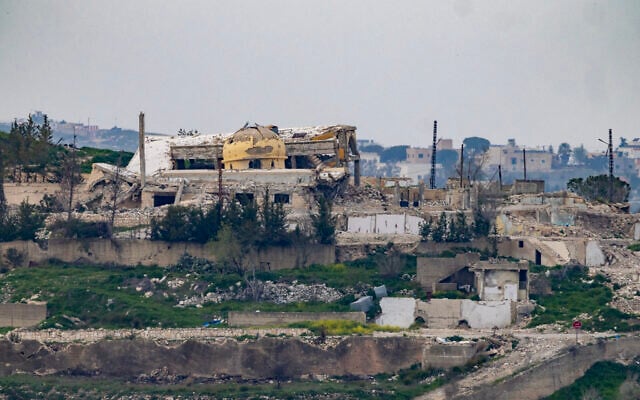
The IDF has urged thousands of civilians in southern Lebanon to evacuate to safer areas. This is not the first time Israel has attempted to push Hezbollah away from the border. During the conflict following the October 7, 2023, Hamas massacre, Israeli forces destroyed parts of several villages where Hezbollah had built tunnels and fortifications.
Under the ceasefire that ended that conflict, Lebanon had agreed to disarm Hezbollah south of the Litani, but Israel claimed the efforts were inadequate. Previously, after the 1982 Israel-Lebanon war, Israel retained a security zone in southern Lebanon before withdrawing to the international border in 2000.
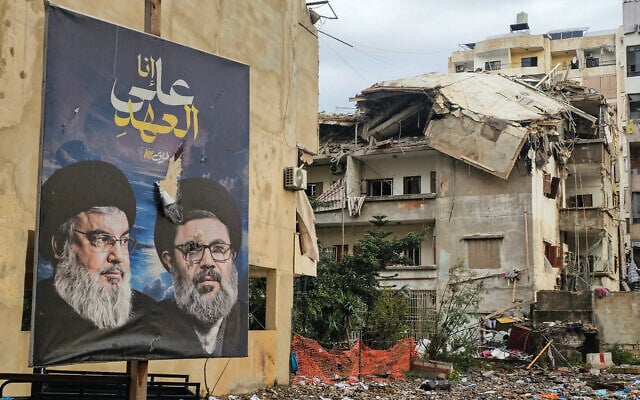
Hezbollah leader Naim Qassem said on Friday that his group is prepared for a long confrontation with Israel. “We have prepared ourselves for a long confrontation, and God willing, they (Israelis) will be surprised on the battlefield,” he stated in his second televised address since the latest war began.
Lebanon became involved in the Middle East war last week when Hezbollah attacked Israel in response to the killing of Iranian supreme leader Ayatollah Ali Khamenei in US-Israeli strikes.
US Support and Infrastructure Concerns
According to Axios, the US supports Israel’s plan but has asked Jerusalem to avoid targeting Lebanon’s national infrastructure and international airport. A US official said, “The Israelis have to do what they have to do to stop the Hezbollah shelling,” adding that while Israel has agreed not to hit the Beirut airport, it has not given a blanket commitment not to target infrastructure.
An Israeli official said Israel would consult with the US on a case-by-case basis. “We feel we have full US backing for this operation,” the official told Axios.
On Friday, Israel destroyed a bridge over the Litani River between the towns of Zrarieh and Tayr Falsay. The IDF stated that the bridge was being used by Hezbollah as a “key crossing” to move from northern to southern Lebanon, prepare for combat against IDF troops, and operate against Israeli civilians.
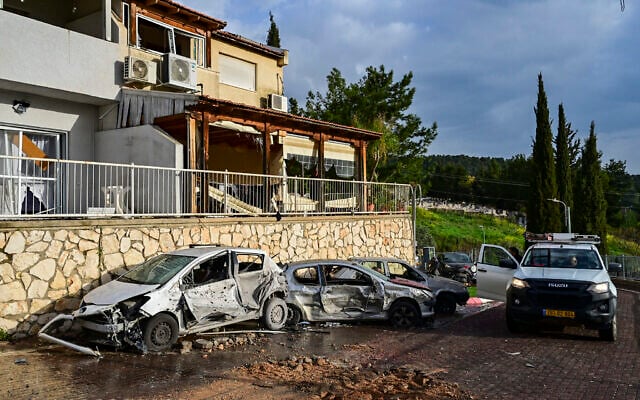
Defense Minister Israel Katz warned of additional strikes against infrastructure. “This is only the beginning, and the Lebanese government and the Lebanese state will pay an increasing price through damage to Lebanese national infrastructure that is used by Hezbollah terrorists.”
Earlier this week, Lebanese President Joseph Aoun offered to negotiate directly with Israel, but on Friday he said he had not received a response. However, Axios reported that in addition to the large-scale ground operation, Israel was also preparing for the possibility of talks, with Prime Minister Benjamin Netanyahu tapping his confidant and former strategic affairs minister Ron Dermer to handle Lebanese-related diplomatic efforts.
Continued Strikes and Medical Facilities
Hezbollah continued rocket and drone fire at Israel on Saturday morning, with sirens sounding in the northern border community of Margaliot. The IDF published footage showing what it claims were Hezbollah operatives loading rockets into a weapons depot in southern Lebanon and the subsequent strike on the site.
An Israeli strike hit an apartment building in a northern Beirut suburb that had also been targeted a day earlier. Lebanese media reported damage, including a hole, in a building in the Nabaa-Burj Hammoud area.
Meanwhile, Lebanese health authorities said that an Israeli strike in southern Lebanon killed 12 doctors, paramedics, and nurses working at a healthcare center in the town of Burj Qalawiya. Another strike on the town of Sawaneh left two paramedics affiliated with Hezbollah and its ally Amal dead.
The IDF accused Hezbollah of making “extensive military use” of ambulances and medical facilities in Lebanon. “We warn that the military use of medical facilities and ambulances must stop immediately,” said army spokesman Col. Avichay Adraee. “If this approach does not stop, Israel will act in accordance with international law against any military activity carried out by the Hezbollah terror organization using those facilities and ambulances.”