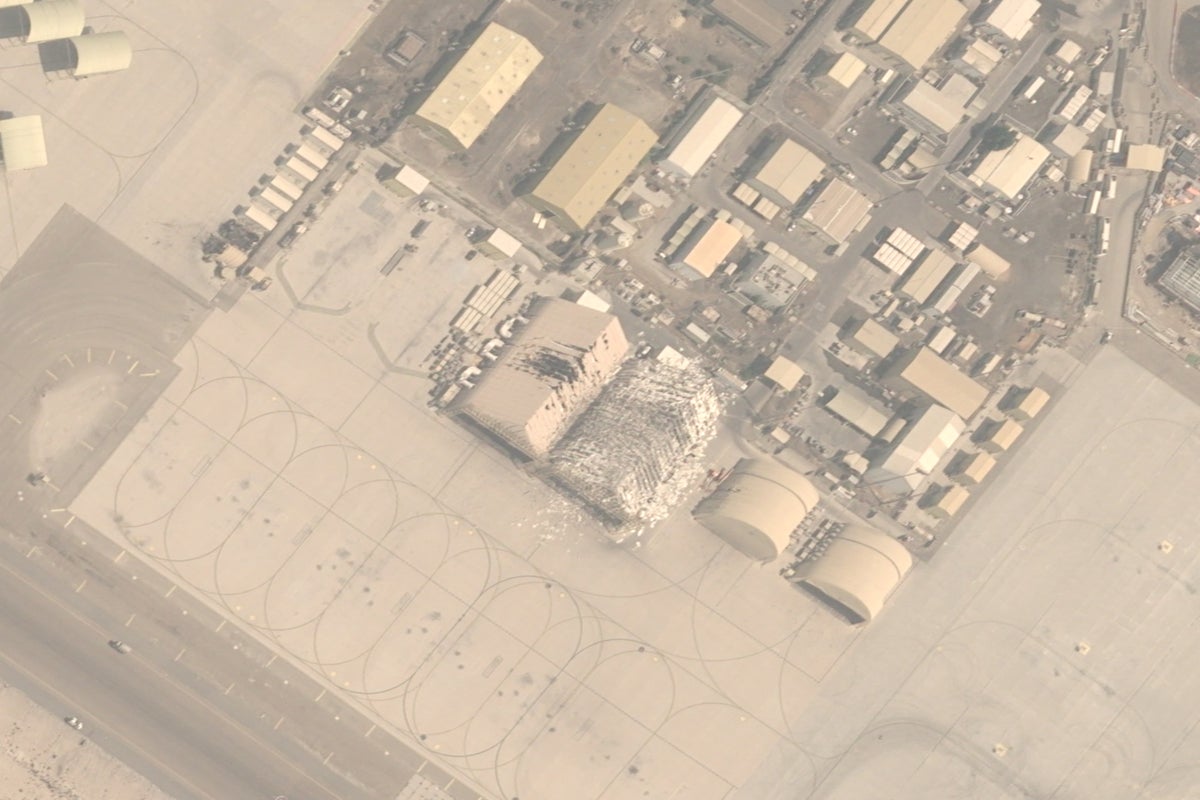
Iran Strikes Kuwait Oil Refinery as Tehran Shakes from Israeli Attack
A Kuwaiti oil refinery was targeted by Iranian drones early on Friday, triggering sirens in Israel that warned of incoming attacks. Simultaneously, explosions were heard over Tehran as Israel retaliated against Iran, coinciding with the country’s celebration of the Persian New Year.
As the conflict that has disrupted the global economy entered its third week, Iran showed no signs of reducing its attacks on energy infrastructure in the Gulf region. Kuwait reported that drone strikes at its Mina Al-Ahmadi oil refinery caused a fire, and emergency crews were working to contain the blaze. The refinery, which can process up to 730,000 barrels of oil daily, had already been damaged earlier in the week during another Iranian attack. It is one of three major oil refineries in Kuwait, a small but oil-rich nation located on the Persian Gulf.
Iran escalated its attacks on energy sites in Gulf Arab states following an Israeli strike on Iran’s South Pars offshore natural gas field in the Persian Gulf. This move led to widespread unrest, with heavy explosions shaking Dubai and a warehouse in Bahrain catching fire due to shrapnel from intercepted projectiles. In Saudi Arabia, multiple drones targeting the oil-rich Eastern Province were shot down.
The renewed attacks occurred after a day of intense military activity, during which Iran struck energy infrastructure across the region and launched more than a dozen missile salvos at Israel. South Pars, the Iranian portion of the world’s largest gas field, is situated offshore in the Persian Gulf and is jointly owned with Qatar. With approximately 80% of Iran’s electricity generated from natural gas, the attack posed a direct threat to the country’s power supply.
Concerns about a potential global energy crisis are growing. Late Thursday, Israeli Prime Minister Benjamin Netanyahu stated that the country would refrain from further attacks on the gas field at the request of U.S. President Donald Trump. However, the Iranian response caused oil prices to surge dramatically. Brent crude, the international standard for oil, reached over $119 per barrel during Iran’s attacks on Thursday, and was trading around $107 on Friday morning—up more than 47% since Israel and the United States launched their initial attacks on Iran on February 28.
Sirens in Israel and explosions in Tehran
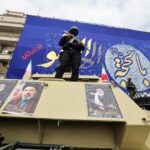
In Israel, sirens sounded early on Friday, warning residents of potential attacks on Jerusalem and the northern part of the country. People rushed to shelters, though no immediate casualties were reported. Shortly after Israel announced new strikes on Iran, explosions were heard in Tehran as Iranians celebrated Nowruz, or the Persian New Year. No further details were immediately available.
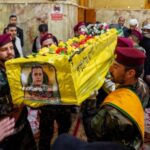
Over 1,300 people in Iran have been killed during the conflict. Israeli strikes against the Iranian-backed Hezbollah militant group in Lebanon have displaced more than 1 million people, according to the Lebanese government, which reports that over 1,000 people have been killed. Israel claims it has eliminated more than 500 Hezbollah militants. In Israel, 15 people have been killed by Iranian missile fire, and four others were killed in the occupied West Bank by an Iranian missile strike. At least 13 U.S. military members have also lost their lives.
UAE arrests five accused of attempting to undermine country’s financial stability
The UAE announced on Friday that it had disrupted what it described as “a terrorist network funded and operated by Lebanon’s Hezbollah and Iran.” Five men were arrested on charges of money laundering, with allegations that they were operating under a fictitious commercial cover to carry out schemes that could threaten the country’s financial stability. Images of the five detainees were published by the state-run WAM news agency, although their identities were not disclosed.