Iran targets Gulf oil and gas facilities in escalating attacks
Escalation of Conflict: Iranian Aerial Attacks on Gulf Energy Infrastructure
Iranian aerial attacks over the past several days have led to significant damage across key energy infrastructure in the Gulf region. These strikes targeted critical facilities in Qatar, Saudi Arabia, the UAE, and Kuwait, marking a major escalation in the ongoing conflict between Iran and its regional adversaries.
Damage to Qatar’s Gas Facilities
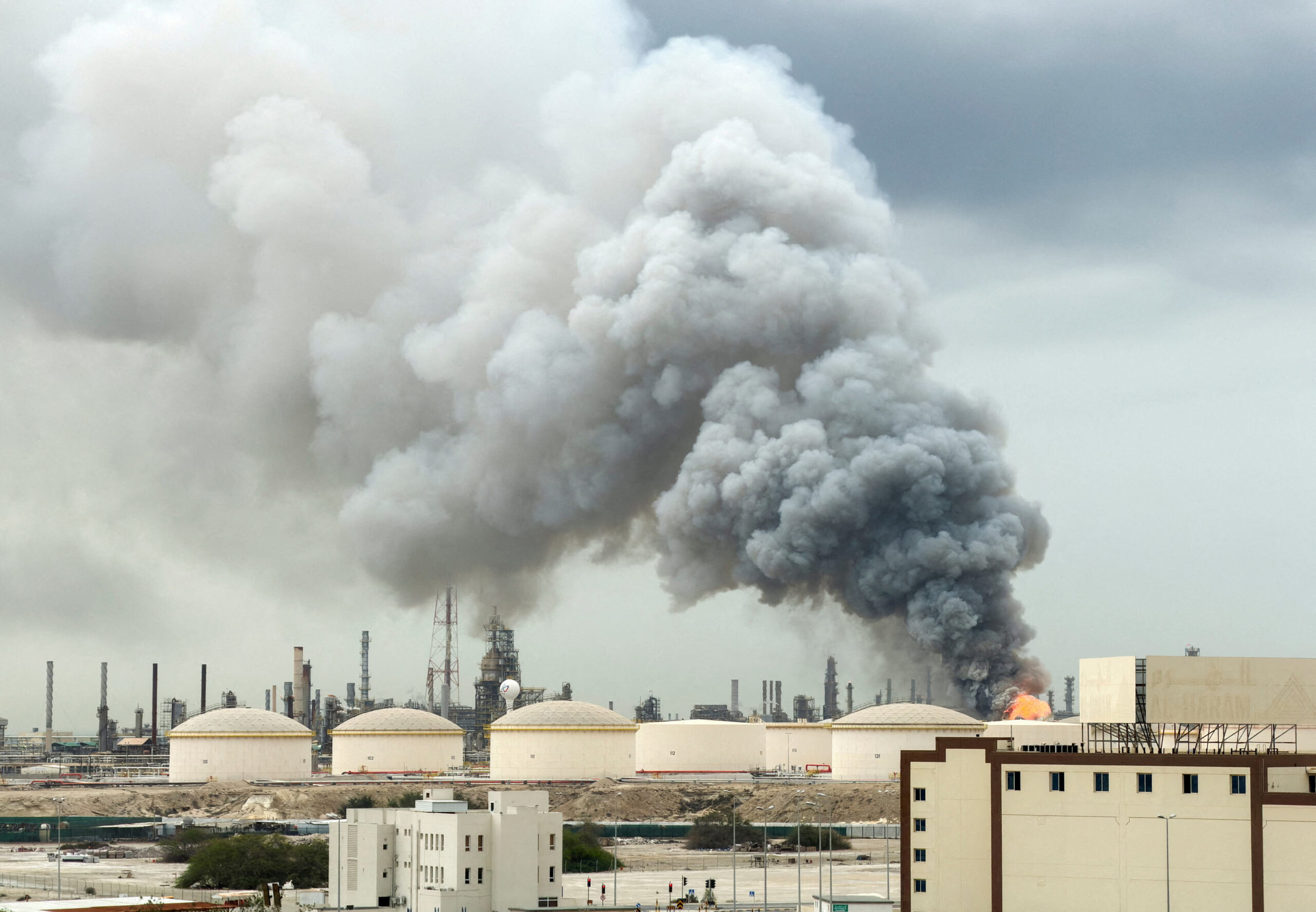
The world’s largest liquefied natural gas (LNG) plant in Qatar, located in Ras Laffan, suffered extensive damage due to Iranian missile attacks. The incident occurred on Wednesday, with QatarEnergy, the country’s state oil company, confirming that emergency response teams were deployed immediately to manage the resulting fires. By early Thursday, all fires at the site had been brought under control, and no injuries were reported.
Ras Laffan is not only a vital hub for Qatar’s energy sector but also hosts international companies like Shell, which has a significant stake in the area. Shell confirmed that its Pearl gas-to-liquids (GTL) facility, which processes up to 1.6 billion cubic feet per day of wellhead gas, sustained damage. A fire was quickly extinguished, and the facility is now in a safe state as damage assessments continue.
Targeting of Saudi Arabian Refineries
In Saudi Arabia, the Aramco-Exxon refinery, known as SAMREF, located in Yanbu, was targeted in an aerial attack on Thursday. According to an industry source, the impact was minimal. However, this attack followed previous strikes on energy facilities in Qatar and the UAE, which were retaliatory actions against US-Israeli attacks on Iranian energy installations.
The Saudi defense ministry reported that a drone fell on the refinery, and a ballistic missile was intercepted near Yanbu, a crucial port city for crude oil exports. Yanbu serves as one of the two major export outlets for Gulf Arab countries, alongside the UAE’s Fujairah port, which has faced repeated attacks.
Fires in Kuwaiti Refineries
Kuwait also experienced targeted attacks, with drones striking two of its refineries—Mina al-Ahmadi and Mina Abdullah—resulting in fires at both sites. The Kuwaiti state news agency confirmed the incidents, highlighting the growing threat to the region’s energy infrastructure.
Impact on UAE Gas Facilities
In the UAE, gas facilities in Habshan and the Bab oil field were affected by falling debris from intercepted missiles. Authorities responded swiftly, shutting down the facilities without any reported injuries. The Habshan complex, operated by Abu Dhabi’s state oil giant ADNOC, is one of the world’s largest gas processing facilities, with a total capacity of 6.1 billion standard cubic feet per day.
Regional Response and International Concerns
The escalating conflict has prompted urgent calls for action from the Gulf states. They have requested an emergency debate at the United Nations Human Rights Council in Geneva, citing serious concerns over Iran’s strikes on civilian and energy infrastructure across the Middle East.
A diplomatic note sent by Gulf states described the situation as a “situation of serious concern for international peace and security,” emphasizing the severe human rights implications. The document called for immediate condemnation of Iran’s actions and demanded reparations for the damage caused.
The ongoing conflict has already led to spikes in global energy prices and raised fears of increased inflation. The Gulf states argue that their assurances to Tehran regarding non-hosting of anti-Iran operations have not prevented these attacks, demanding immediate attention from the international community.
As the situation continues to evolve, the focus remains on the potential for further escalation and the long-term implications for regional stability and global energy markets.