Gas Prices Surge After Shell Plant Attack in Qatar
Rising Energy Prices and Geopolitical Tensions
Gas prices have reached a three-year high, with oil prices surging following attacks on energy sites in Iran and Qatar. These incidents have damaged a Shell plant and raised concerns about potential disruptions to global energy supplies. The situation has created significant uncertainty in the energy markets, leading to sharp increases in both gas and oil prices.
Global Market Reactions
In response to the escalating tensions, UK natural gas prices spiked by more than 20% on Thursday morning, reaching around 172p per therm, which is the highest level in three years. Meanwhile, the price of Brent crude oil increased by approximately 8%, crossing $115 per barrel. This marked a significant rise, bringing it closer to the highest level seen since the conflict began at the end of February.
The financial markets also felt the impact of the crisis. London’s stock markets opened to substantial losses, with the FTSE 100 Index dropping by about 1.7% in the first hour of trading. France’s Cac 40 was also down by 1.7%, while Germany’s Dax index faced steeper declines of around 2.4% in the morning.
Impact on Qatar and Shell
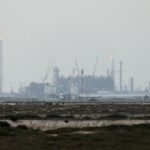
The surge in prices followed reports that Iranian missile attacks hit Qatar’s liquefied natural gas (LNG) field, Ras Laffan, causing “sizeable fires and extensive further damage.” British energy giant Shell confirmed that the attack caused damage to its Pearl GTL facility, which plays a crucial role in converting gas into liquid products such as fuel for transport, motor oils, and ingredients for everyday goods like plastics, detergents, and cosmetics.
A Shell spokesperson stated, “Yesterday’s attack on Ras Laffan Industrial City caused damage to the Pearl GTL (Gas-to-Liquids) facility. We put our emergency response into action, all essential staff who were on site are accounted for and no injuries were reported. The fire was quickly put out and Pearl is now in a safe state. We are working in close coordination with the Qatari authorities and our partners at Qatar Energy to manage the situation and to assess the damage.”
Escalation of Conflict
The attack in Qatar came after reports that Israel launched an attack against Iran’s South Pars gas field. US President Donald Trump claimed he “knew nothing” of Israel’s strike and expressed his disapproval of the “level of violence and destruction.” However, he also threatened to retaliate by “massively blowing up the entirety” of Iran’s South Pars gas field if the nation attacks Qatar’s facilities again.
Qatar’s state-backed energy company, Qatar Energy, had already halted production of LNG at its sites at the beginning of the month due to previous attacks on its facilities. This disruption has further exacerbated the global energy supply concerns.
Market Analysts’ Perspectives
Kathleen Brooks, research director at XTB, noted that the escalation in the conflict is “spooking the market.” She emphasized that the energy crisis is shifting from a shipping crisis to a supply crisis, stating, “If Iran is targeting energy assets in the region, then the conflict gets more serious and the repercussions for a long-term energy price shock also start to play out in financial markets.”
Brooks added that despite Trump’s calls for Israel and Iran to stop targeting energy sites, “it will take a lot of positive sentiment and news flow to calm energy prices today.”
Susannah Streeter, chief investment strategist for Wealth Club, highlighted fears of a sustained energy shock following the escalation in the Iran war. She pointed out that the prospect of a longer, more drawn-out conflict is now in focus, as both sides continue to target energy infrastructure. “Warnings that oil could reach $150 a barrel have resurfaced,” she said, adding that Israel’s attack on Iran’s gas fields has prompted retaliatory strikes on facilities in Qatar.
Europe, in particular, relies heavily on LNG exports from Qatar, as countries have been reducing their dependence on Russian energy sources. The ongoing conflict and attacks on energy infrastructure pose significant risks to this transition.