Iran Strikes Gulf Refineries in Response to Israeli Attack on Gas Field
Escalation of Conflict in the Middle East
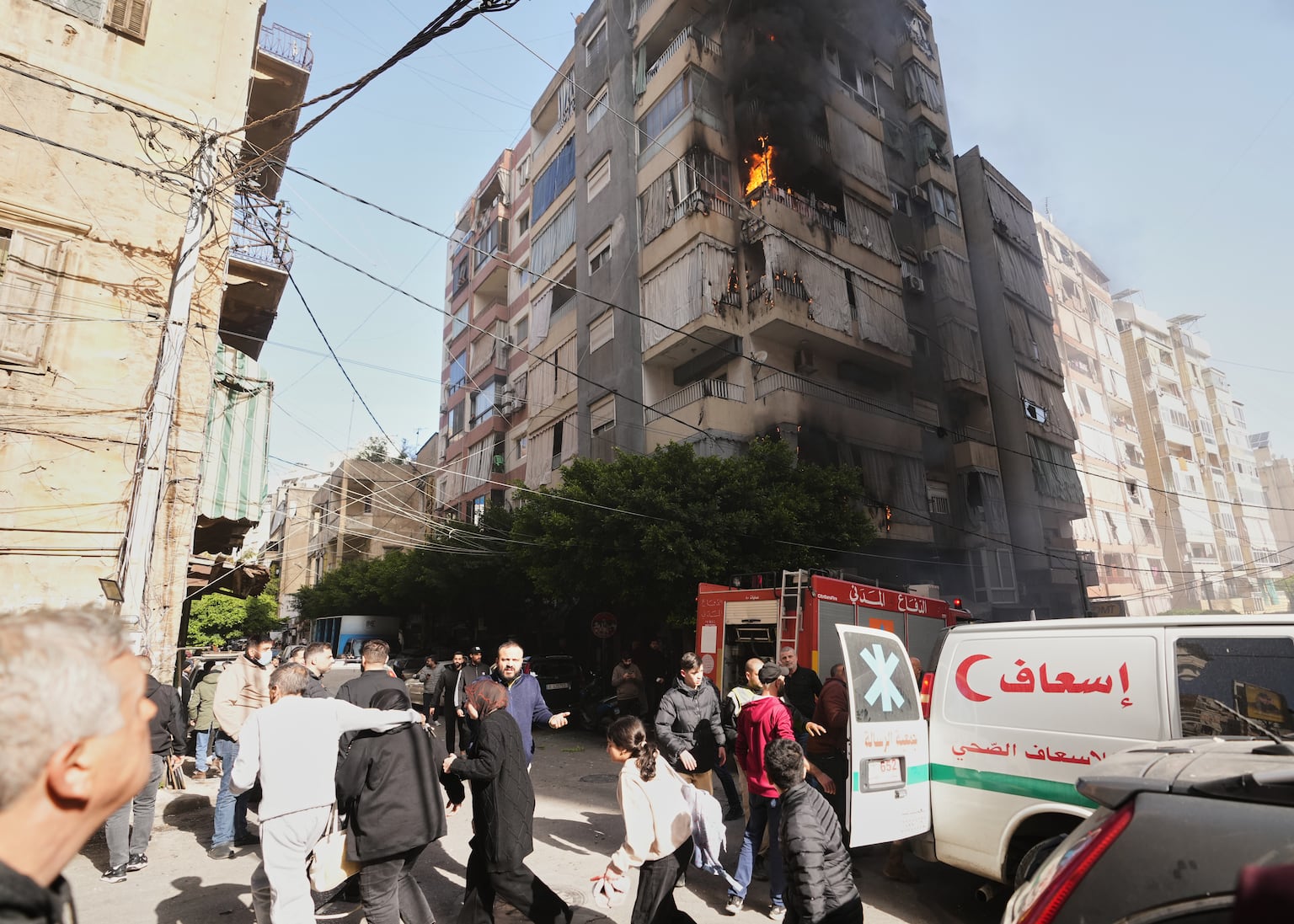
The Middle East has witnessed a significant escalation in hostilities, with Iran launching attacks on energy infrastructure across its Gulf Arab neighbors. These attacks have targeted key facilities, including a Saudi refinery, Qatari liquefied natural gas (LNG) facilities, and two Kuwaiti oil refineries. The strikes are a direct response to an Israeli attack on Iran’s main natural gas field, which has further intensified the conflict.
This wave of attacks has led to a surge in global fuel prices, with Brent crude oil spiking to $114 per barrel. This represents more than a 57% increase since Israel and the United States initiated their war on February 28 with strikes on Iran. The rising fear of an energy crisis has sent shockwaves through global markets, as the region remains a critical source of oil and natural gas.
Impact on Shipping and Energy Infrastructure
In addition to land-based attacks, vessels have also come under threat. A ship was set ablaze off the coast of the United Arab Emirates, while another was damaged near Qatar. These incidents highlight the dangers faced by maritime traffic due to Iran’s control over the Strait of Hormuz, a vital waterway that carries approximately one-fifth of the world’s oil.
Saudi Arabia has taken measures to bypass the strait by redirecting oil shipments through the Red Sea. However, this alternative route has been compromised after an Iranian drone strike hit the SAMREF refinery in Yanbu, a major Red Sea port. This incident has raised concerns about the security of the entire supply chain.
Qatar, a key player in the global natural gas market, reported that firefighters managed to extinguish a blaze at a major LNG facility following missile attacks. Despite earlier production halts, the latest attacks caused “sizeable fires and extensive damage.” 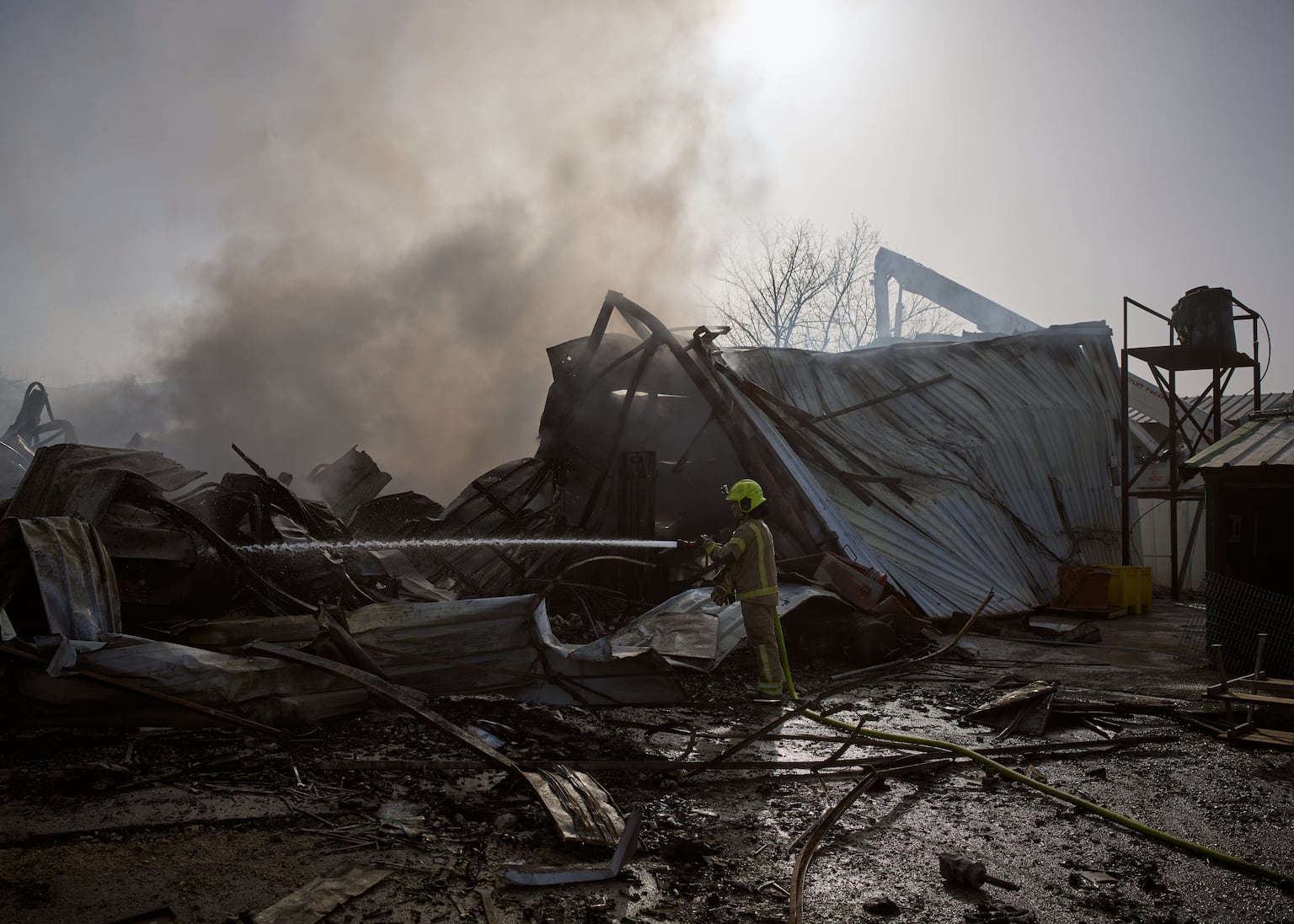 The damage could delay Qatar’s ability to supply its market even after the conflict ends.
Attacks on Kuwait and Abu Dhabi
Kuwait experienced a drone attack on the Mina Al-Ahmadi refinery, which sparked a fire but resulted in no injuries. The refinery is among the largest in the Middle East, with a daily petroleum production capacity of 730,000 barrels. Shortly after, a nearby Mina Abdullah refinery was also set ablaze.
Authorities in Abu Dhabi were forced to shut down operations at the Habshan gas facility and Bab field following Iranian overnight attacks. These actions were described as a “dangerous escalation” by local officials. Missile alert sirens were heard in multiple areas around the Gulf, and Israel warned of incoming Iranian fire.
Regional Reactions and Concerns
Qatar, Saudi Arabia, and the United Arab Emirates all condemned the Iranian attacks. Saudi Arabia’s top diplomat expressed that the assaults had completely shattered what little trust remained between the nations. Ahmed Aboul Gheit, the Arab League secretary-general, called the attacks a “dangerous escalation” by Iran.
Despite the condemnation, Iran showed no signs of backing down. Saudi Arabia intercepted six drones in Riyadh and the Eastern province before confirming that the SAMREF refinery was hit. The Saudi Defence Ministry is currently assessing the damage without providing further details. 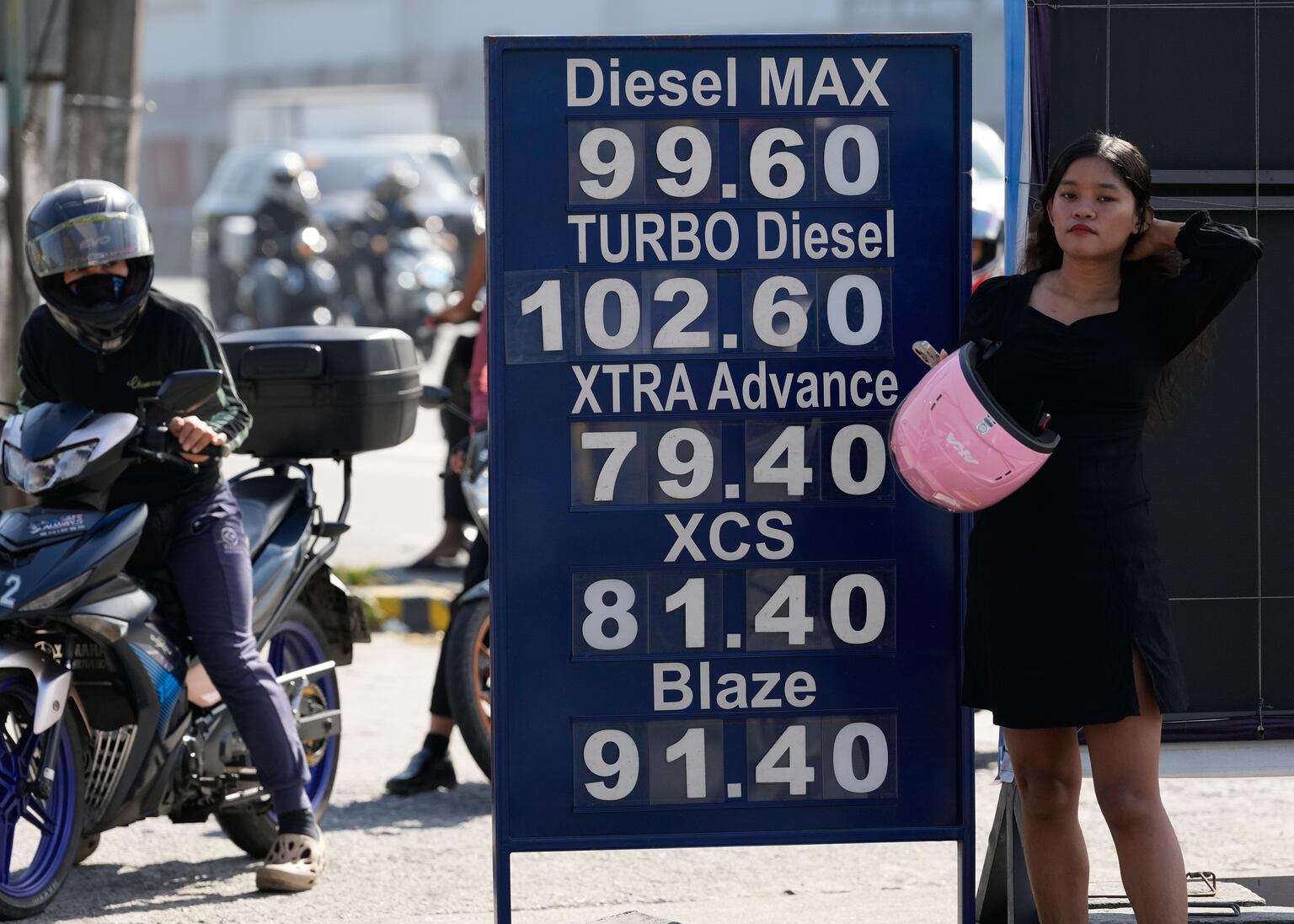
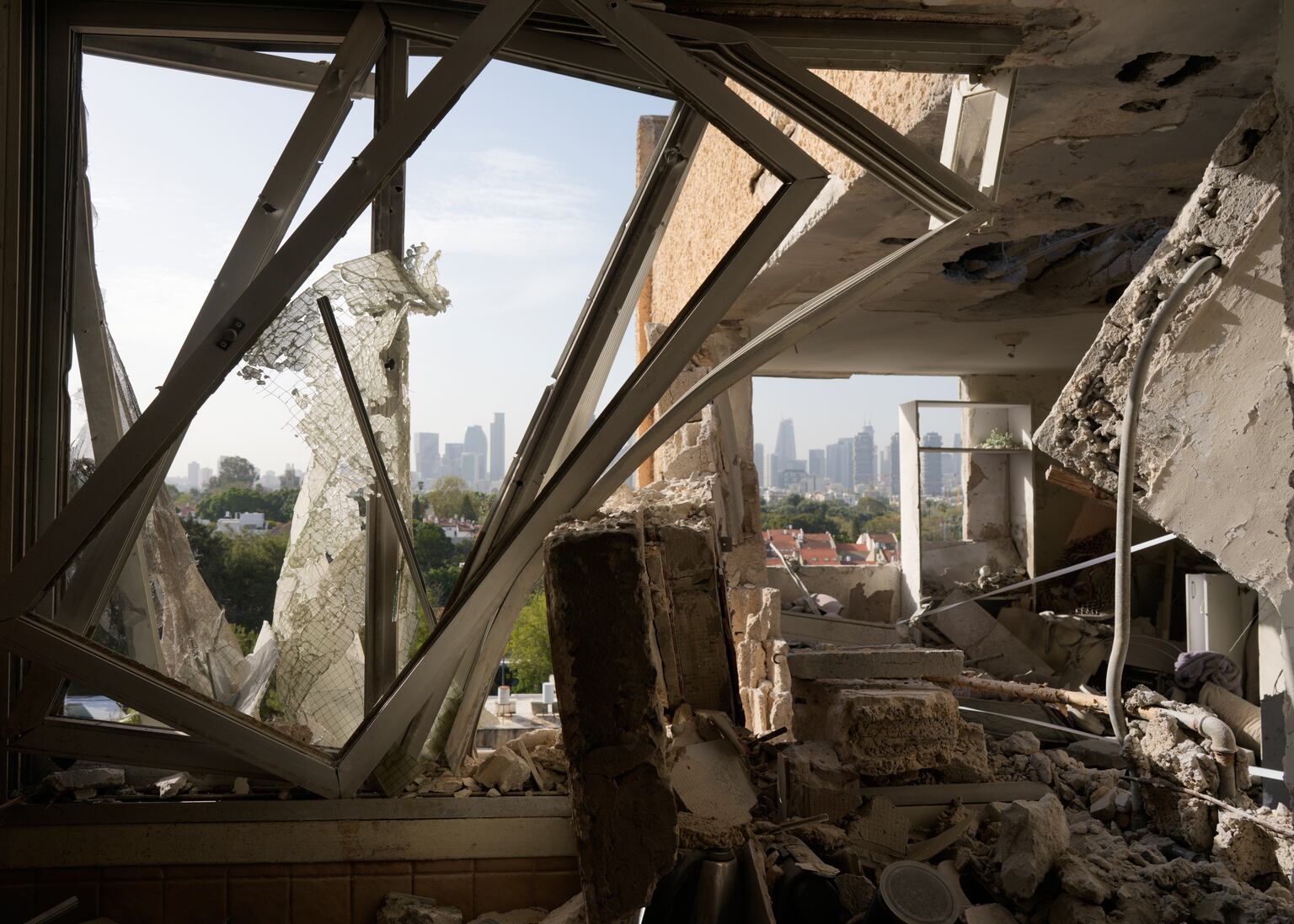
SAMREF is a joint venture between Saudi Aramco and ExxonMobil. In Israel, multiple waves of Iranian attacks targeted large parts of the country, sending millions into shelters. While buildings were damaged, no significant casualties were reported.
Strategic Targeting and International Response
The Iranian attacks followed an Israeli strike on South Pars, the world’s largest gas field located offshore in the Persian Gulf. According to the International Energy Agency, 80% of Iran’s power generation comes from natural gas, making the attack a direct threat to the country’s electricity supplies. Natural gas is also essential for household heating and cooking in Iran.
The Soufan Centre, a New York-based think tank, described the attack as a “clear expansion of the conflict.” It noted that Israel’s targeting strategy has focused on institutions, leaders, and infrastructure, aiming to make civilian living conditions intolerable.
Iran condemned the strike on South Pars, with President Masoud Pezeshkian warning of “uncontrollable consequences” that could affect the entire world. In Washington, former President Donald Trump stated that Israel would not attack South Pars again but warned that if Iran continued striking Qatar’s energy infrastructure, the US would retaliate and “massively blow up the entirety” of the field. 
Ongoing Threats and Human Toll
Qatar Energy reported that a missile hit its Ras Laffan LNG facility, causing a blaze early on Thursday. A ship was also struck off Qatar’s coast, though it remains unclear whether it was deliberately targeted or hit by debris. The UK Maritime Trade Operations Centre said the vessel was near the Strait of Hormuz, a critical shipping lane.
Saudi Arabia reported downing Iranian drones targeting its natural gas facilities, while authorities in Abu Dhabi shut down the Habshan gas facility and Bab field after intercepting missiles. Another ship was set ablaze off the UAE coast, raising concerns about the safety of maritime traffic in the region.
Over 20 vessels have been attacked during the Iran war, as Tehran maintains a tight grip on shipping through the Strait of Hormuz. While Iran claims the waterway is open, it is only accessible to non-US allies, leading to a trickle of ships passing through.
Domestic Unrest and International Tensions
Iran has executed three men detained during January’s nationwide protests, marking the first known executions following the demonstrations. The men were accused of stabbing two police officers to death in Qom. Rights groups have criticized Iran for coercing confessions and limiting legal defenses for detainees.
More than 1,300 people have died in the conflict. Israeli strikes have displaced over one million Lebanese, representing roughly 20% of the population. In Israel, 15 people have been killed by Iranian missile fire, including a Thai agricultural worker who died from shrapnel. Three people were also killed in the occupied West Bank by an Iranian missile strike, according to the Palestinian Red Crescent. At least 13 U.S. military members have been killed.