Brent Crude Surpasses $114 After Iran Attacks Major Qatari Energy Facility
Escalation of the Iran War and Its Global Implications
The conflict between Iran and its regional adversaries has taken a dramatic turn, with attacks on critical energy infrastructure causing significant disruptions and sending global oil and gas prices to new heights. The situation has escalated since late Wednesday, with Iranian strikes targeting Qatar’s Ras Laffan gas field, which is the country’s largest energy site. This attack has contributed to a sharp rise in oil prices, bringing them close to the levels observed at the beginning of the conflict.
Iran’s offensive followed an earlier strike by Israel on the South Pars gas field, Iran’s largest energy facility, and the Asaluyeh oil facility. In response, the Islamic Revolutionary Guard Corps (IRGC) warned that Gulf energy sites are once again “legitimate targets.” This statement signals a shift in strategy, as both sides appear willing to target each other’s energy infrastructure without restraint.
As of the latest reports, Brent crude oil has slightly declined but remains above $113 per barrel, while the U.S. benchmark West Texas Intermediate (WTI) is trading at $96 per barrel. Additionally, European natural gas futures have surged by over 25%, reaching more than €68 per MWh—levels not seen since the end of 2022. These price fluctuations reflect growing concerns about the prolonged nature of the conflict and its potential to escalate further.
Geopolitical Tensions and Military Threats
U.S. President Donald Trump has issued a strong warning against any further Iranian attacks on Qatar’s liquefied natural gas (LNG) facilities. He stated that if such attacks occur, the U.S. military would respond with “an amount of strength and power that Iran has never witnessed before.” This intervention aims to protect Qatar while reserving the option of overwhelming force. However, it remains unclear whether this threat will be enough to deter Iran or if it could inadvertently widen the conflict.
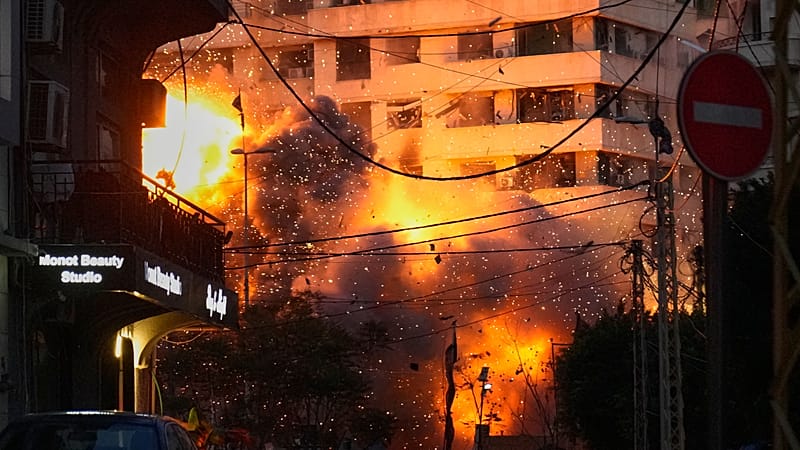
Despite these warnings, Iran continues to carry out attacks on the energy infrastructure of its Gulf Arab neighbors. On Thursday, a Qatari LNG facility was set on fire, and two Kuwaiti oil refineries were struck, marking a significant escalation in the conflict. According to reports, Qatar’s firefighters managed to put out the blaze at the major LNG facility after it was hit by Iranian missile attacks. Although production had already been halted due to previous attacks, the latest wave of missiles caused “sizeable fires and extensive further damage.”
Damage to the facility could delay Qatar’s ability to supply its energy to the market even after the conflict ends. Meanwhile, a drone attack on Kuwait’s Mina Al-Ahmadi refinery sparked a fire, though no injuries were reported. Shortly after, another drone attack set the nearby Mina Abdullah refinery on fire. These incidents highlight the increasing vulnerability of energy infrastructure in the region.
Widespread Impact on Gulf States
A ship burned off the coast of the United Arab Emirates (UAE), and another was damaged near Qatar, underscoring the persistent danger faced by vessels navigating the Strait of Hormuz, where Iran exerts a strong influence. The attacks have led to widespread condemnation from Gulf states, with authorities in Abu Dhabi announcing the shutdown of operations at their Habshan gas facility and Bab field. They described the Iranian overnight attacks as a “dangerous escalation.”
Missile alert sirens sounded in multiple areas around the Gulf, and Israel warned of incoming Iranian fire. Qatar, Saudi Arabia, and the UAE all condemned the Iranian attacks, with Saudi Arabia’s top diplomat stating that assaults on the kingdom have “completely shattered what little trust there was before.” These developments indicate a deepening rift among regional powers and a growing sense of insecurity.
Economic and Market Consequences
The ongoing conflict has placed a heavy burden on the global economy, with markets absorbing the costs of a rapidly intensifying war that shows no signs of ending soon. The repeated attacks on energy infrastructure have created uncertainty, leading to volatile price movements and heightened anxiety among investors and consumers alike.
As the situation continues to unfold, the international community watches closely, hoping for a resolution that can prevent further bloodshed and economic disruption. For now, the Gulf region remains in a state of heightened tension, with the risk of further escalation looming large.