“This Makes It Worse”: War in Iran Deepens Farmers’ Financial Struggles
Rising Costs and Global Conflicts Threaten Midwest Farmers
Farmers in northwest Ohio are facing a growing sense of uncertainty as rising costs continue to put pressure on an already struggling industry. The situation has been further complicated by global conflicts, which have added another layer of complexity to an already difficult landscape.
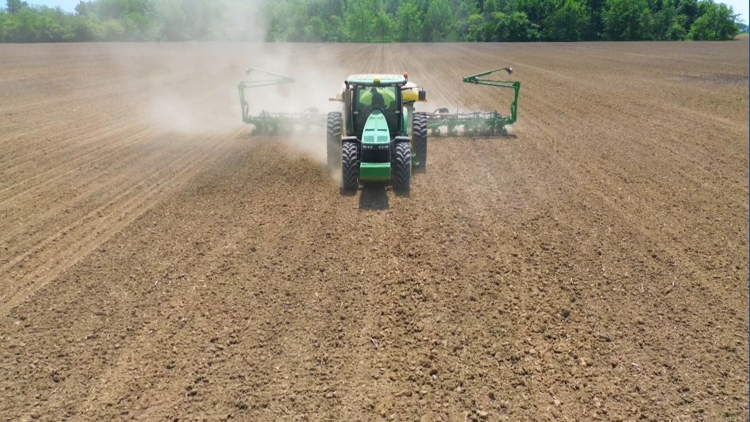
Keith Truckor, a farmer from Fulton County, highlights how the war in Iran is driving up the cost of essential farming inputs, exacerbating financial challenges that have persisted for years. Truckor manages approximately 2,000 acres of corn and soybeans across Fulton and Lucas counties in Ohio, as well as Lenawee County in Michigan. He explains that farmers have been dealing with declining crop prices while also facing increased costs for fertilizer, fuel, seeds, and chemicals long before the conflict began.
“This profitability crunch across the Midwest with farmers has been ongoing for the last one-and-a-half to two years,” Truckor said. “This (the war) just makes it a lot worse because our inputs now are going higher because of the war.”
Fertilizer Prices Surge Amid Global Tensions
Truckor points out that fertilizer prices have steadily increased over the past several years, with nitrogen experiencing the most significant jump. Over the last three years, nitrogen fertilizer costs have risen by as much as 30-40%, while phosphorus and potassium fertilizer prices have also gone up. Since the war began, nitrogen prices have climbed even further.
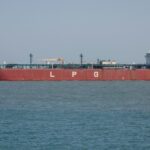
“Nitrogen prices are the one that is spiking more than anything else because some of the nitrogen comes from that Persian Gulf area,” Truckor explained.
Jordan Hoewischer, the water quality and research director with the Ohio Farm Bureau, notes that much of the nation’s fertilizer supply is imported, making it vulnerable to disruptions caused by global conflicts. These disruptions can create uncertainty in both production and trade routes.
“Some of those farmers might have waited to see if that price went down over time,” Hoewischer said, “but unfortunately kind of an unnatural conflict and unnatural thing reared its head.”
Preparing for the Growing Season
Despite these increases, Truckor says most farmers are in relatively good shape for this growing season because fertilizer is often purchased months in advance. He estimates that between 60-80% of fertilizer used across the Midwest is typically bought before spring planting.
“We purchased all of our nitrogen needs for the year back in December, so we’re not subject to the increase in the fertilizer prices,” he said.
Looking Ahead: Concerns for the Future
While this season may be manageable, Truckor expresses concern about what lies ahead. His biggest worry is the potential for high input costs to persist beyond this year.
“My big concern is what happens this fall and next year’s prices,” Truckor said. “We cannot afford to have prices stay high after two years of break-even levels or losses.”
If high input costs continue, Truckor believes farmers may be forced to adapt by reducing fertilizer use, applying only what is necessary, or shifting some acres from corn to soybeans, which require less fertilizer. This shift could have long-term implications for crop yields and overall farm sustainability.
Conclusion
The combination of rising costs and global conflicts is creating a challenging environment for farmers in the Midwest. While many are managing to navigate the current season, the long-term effects of these pressures remain uncertain. As farmers look to the future, they must find ways to adapt and maintain their operations in an increasingly volatile agricultural landscape.