Oil Prices Surge Amid Middle East Energy Attacks Fears
Rising Tensions in the Middle East Spark Surge in Oil Prices
Oil prices have seen a sharp increase as attacks on energy facilities in the Middle East have intensified, raising concerns about potential disruptions to global oil supplies. On Thursday morning, the price of Brent crude oil rose by approximately 7%, surpassing $114 per barrel. This marks a significant climb, bringing it closer to the highest level since the conflict escalated at the end of February.
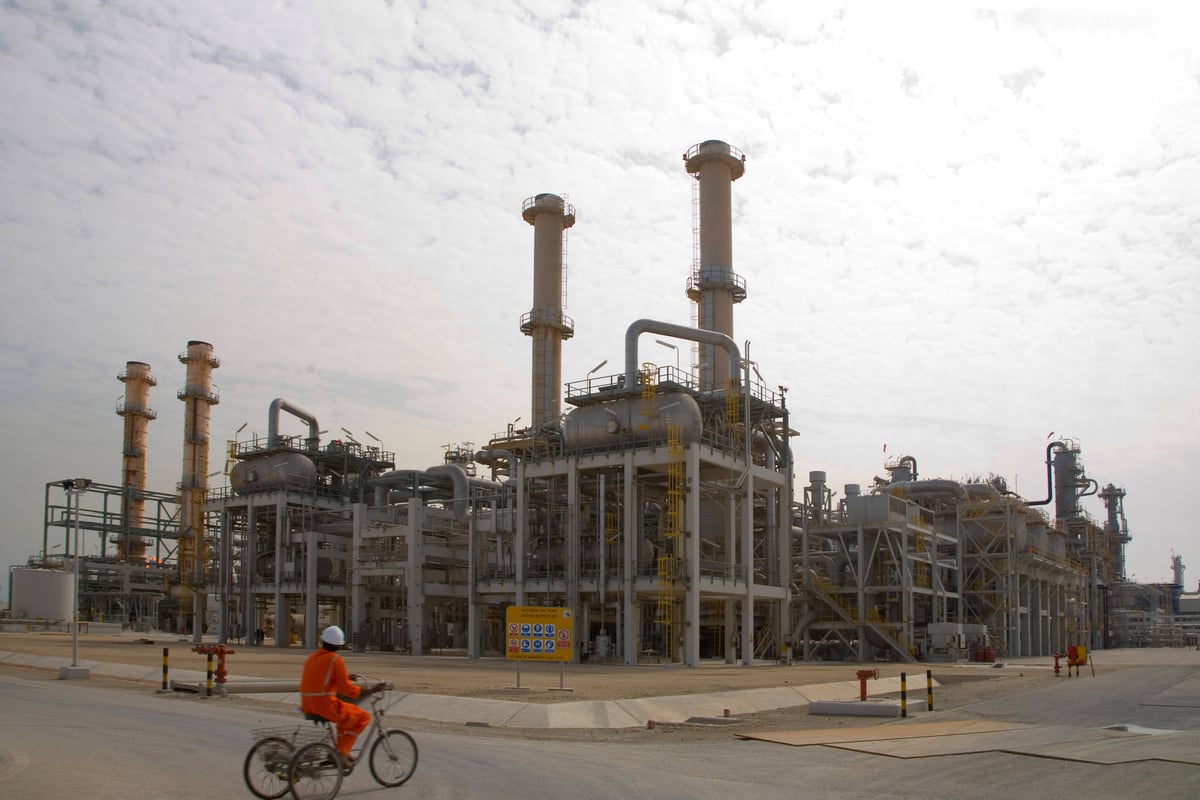
The surge in prices was fueled by reports that Qatar experienced an Iranian missile attack on its liquefied natural gas field, Ras Laffan. The incident caused “sizeable fires and extensive further damage,” according to local authorities. This development came after earlier reports indicated that Israel had launched an attack on Iran’s South Pars gas field.
US President Donald Trump expressed his lack of knowledge regarding Israel’s strike, stating he did not want to authorize “this level of violence and destruction.” However, he also made a controversial pledge, saying he would “massively blow up the entirety” of Iran’s South Pars gas field if the nation attacked Qatar’s facilities again.
Qatar’s state-backed energy company, Qatar Energy, had already halted production of liquefied natural gas at its sites at the beginning of the month due to ongoing attacks on its facilities. This has contributed to the growing uncertainty in the energy market.
In addition to the spike in oil prices, European benchmark natural gas prices also surged by around 20% on Thursday morning. Analysts are closely monitoring the situation, as the conflict continues to escalate.
Kathleen Brooks, research director at XTB, noted that the escalation in the conflict is causing “spooking the market.” She warned that traders are anticipating “hefty losses for stocks” when stock markets open. According to Brooks, “this war looks far from over, and the energy crisis is shifting from a shipping crisis to a supply crisis.”
She added that if Iran continues targeting energy assets in the region, the conflict will become more serious, and the long-term repercussions for energy prices will begin to affect financial markets. Despite President Trump’s calls for both Israel and Iran to stop targeting energy sites, Brooks emphasized that “it will take a lot of positive sentiment and news flow to calm energy prices today.”
Key Developments and Market Reactions
- Brent Crude Oil: Rose by 7% to over $114 per barrel, nearing the highest level since the conflict began.
- Qatar’s LNG Facilities: Suffered damage from an Iranian missile attack, leading to production halts.
- Israel-Iran Conflict: Reports suggest an Israeli attack on Iran’s South Pars gas field, prompting mixed reactions from US leadership.
- Natural Gas Prices: European benchmark prices increased by 20%, reflecting growing market anxiety.
- Market Analysts’ Views: Experts like Kathleen Brooks highlight the shift from a shipping crisis to a supply crisis, with long-term implications for energy prices.
As tensions continue to rise in the Middle East, the global energy market remains on high alert. Investors and analysts are closely watching the situation, with the potential for further price volatility and economic impact. The coming days will be critical in determining how this conflict unfolds and its broader consequences for the global economy.