A Reporter’s Insight into Israel’s Arrow Air Defense System
The Attack on Ramat Gan
The destruction in Ramat Gan, located just east of Tel Aviv, was not extensive. To notice the damage, one had to look up beyond the Israeli police officers and journalists. The damaged apartment building, which juts out over a side street, had its facade largely blown away — one of many structures affected by the attack. A couple in their 70s lost their lives in the building, according to officials.
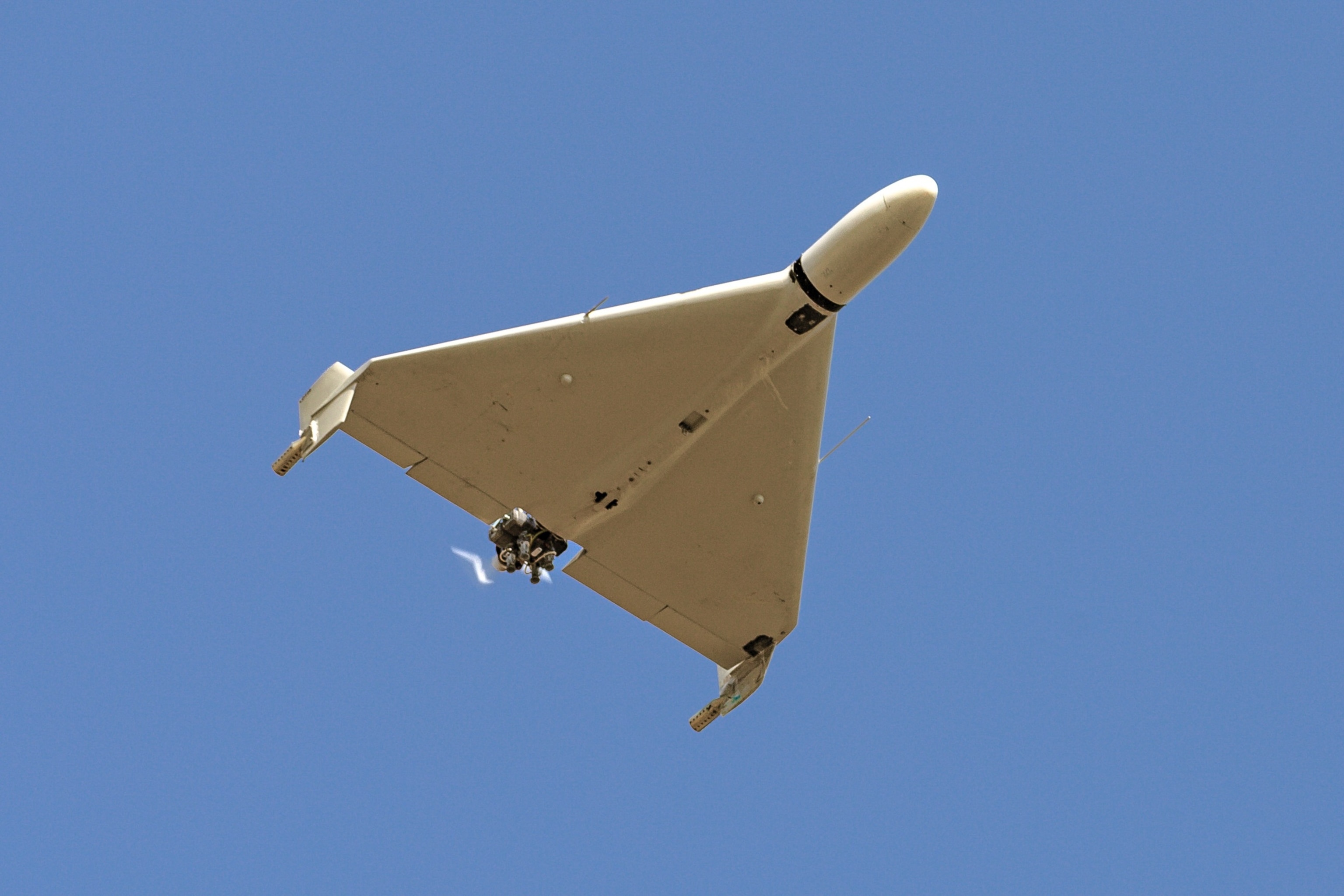
This destruction followed U.S.-Israeli strikes on Iran. It was attributed to Iran and its Lebanese proxy, Hezbollah, which launched as many as 60 drones, rockets, and missiles at Israel Tuesday night into Wednesday, according to Israeli officials.
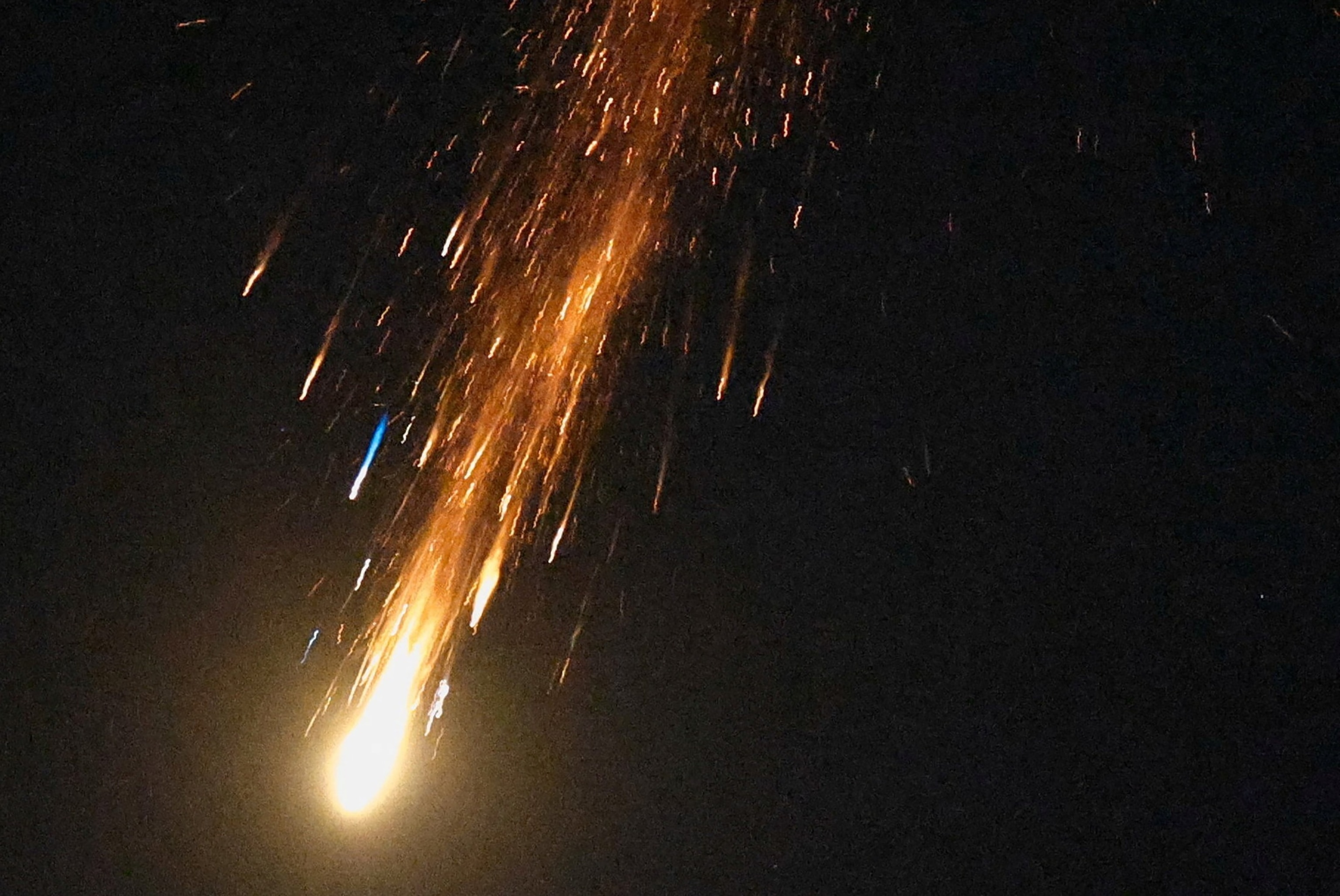
As part of this barrage, Tehran fired a ballistic cluster-type missile, which was intercepted by Israel’s air defenses. These types of missiles are particularly concerning for people living in Israel because when they are intercepted, they break apart into dozens of smaller bomblets that fall to the ground and explode on impact. This results in shrapnel that can kill or injure anyone nearby.
Although there is an international convention banning the use of these cluster munitions, Iran, Israel, and the United States are not signatories.
Air Defense Systems Protect Israelis
As with all missile attacks on Israel, it is the country’s air defense systems that have prevented far greater destruction and loss of life.
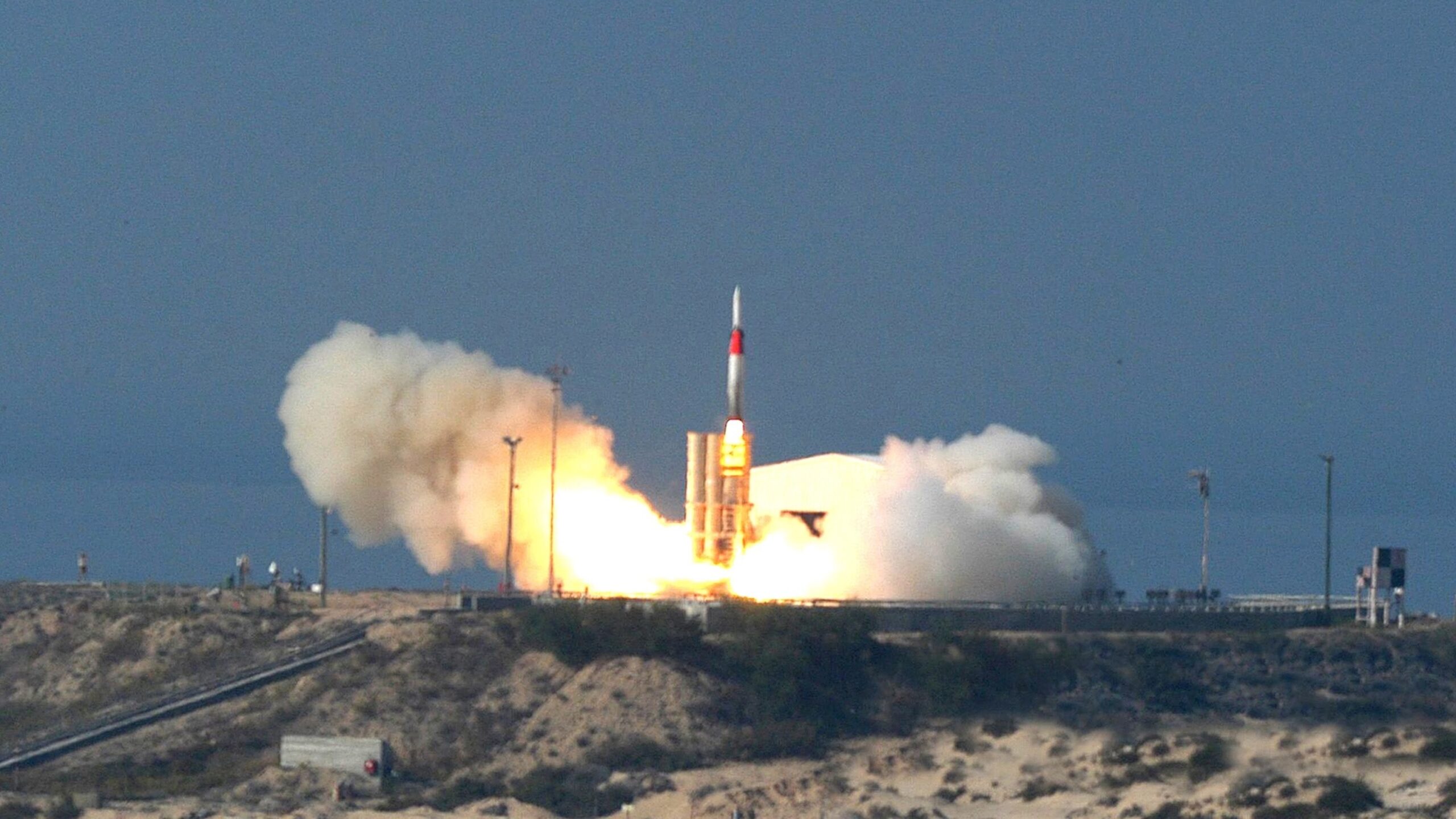
On Tuesday, ABC News was granted rare access to an Israeli Air Force base and shown Israel’s longest-range air defense system, Arrow 3, which is used to shoot down Iranian ballistic missiles. The filming at the base was conducted under tight restrictions by the Israeli military due to the sensitive nature of the site.
The U.S.-Israel-developed Arrow 3 interceptors are fired at high velocity and can intercept ballistic missiles in space.
An Israeli Air Force reservist, who had to remain anonymous for security reasons, told ABC News that U.S. Air Force operatives have been “sitting side-by-side” in an operations room in Israel during the war with Iran, assessing threats and intercepting them in a coordinated way.
Coordination Between U.S. and Israeli Forces
‘David’s Sling’ and ‘Arrow’ anti-missile systems: How Israel defends against Iranian retaliation
The U.S. and Israeli air defense teams “coordinate in real time,” the reservist said, as Iranian missiles and drones target Israel.
The reservist, who holds the rank of major, said his team was tasked with shooting down a ballistic missile with another missile. He described his work to his grandmother in the following way: “I told her to throw a rock at me and I would throw a rock back at her rock and hit it midair.”
ABC News asked the reservist if Israel’s stocks of air defense interceptor missiles are depleted after more than two weeks of war with Iran.
“Anyone on the defending side of the house would always say they would like to have more,” he replied, then added that Israel is “prepared for the long run and we have ongoing production that continues to replenish whatever we are shooting.”
ABC News was also shown a large pile of spent casings at the air base from the interceptor missiles. Each empty tube, nearly a yard in diameter, represented an interceptor fired.
Israel’s Air Force would not allow us to say exactly how many empty casings there were. However, we can say that there were dozens – a number that speaks to the duration of the war, the number of ballistic missiles Iran has fired at Israel, and, in turn, how busy Israel’s air defenses have been since the joint U.S.-Israeli attacks on Iran began.