Rethinking Iran’s War Timeline Amid Energy Attacks. Why Investors Should Wait.
The Impact of the Iran Conflict on Global Markets
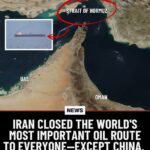
The ongoing conflict between Iran and its regional adversaries has become a focal point for global economic analysts. The duration of the war and the potential closure of the Strait of Hormuz are critical factors in determining how much strain the global economy could endure and how financial markets might respond.
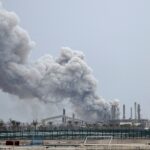
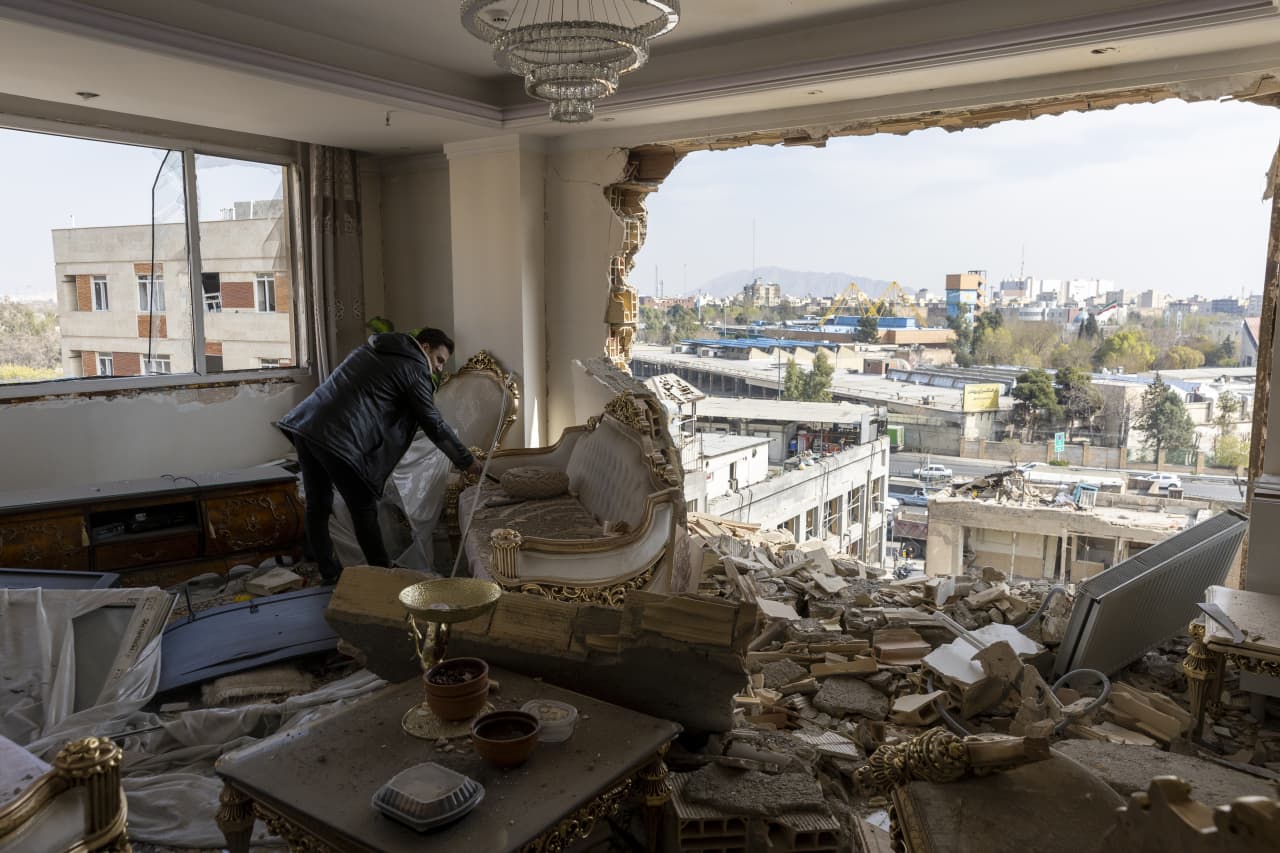
Recent attacks have intensified concerns about the stability of energy infrastructure. Israel targeted an Iranian gas field, one of the largest in the region, while Iran retaliated by attacking a major Qatari fuel hub. These events have prompted strategists to reassess their timelines for the conflict, suggesting that it may not conclude by April as previously anticipated. If the Strait of Hormuz remains closed, oil prices could rise significantly, affecting global markets.
Jitania Kandhari, head of macro and thematic research for the Emerging Markets Equity team at Morgan Stanley Investment Management, has been closely monitoring these developments. She notes that the restoration of production from damaged energy infrastructure could take time, further complicating the situation.
While Asian and emerging markets have experienced significant declines, the S&P 500 has only dropped by approximately 4% since the conflict began. This contrast highlights the varying impacts of the crisis across different regions.
Market Reactions and Analyst Warnings
In a video addressed to clients, UBS strategist Bhanu Baweja warned that markets have grown accustomed to U.S. policy reversals during times of uncertainty. However, he cautioned that the current conflict may be more prolonged than expected. Baweja suggested that oil prices could reach $150 per barrel if the conflict does not end by April, with natural gas and petroleum products also seeing sharp increases.
Christopher Granville, managing director for global political research at TS Lombard, has adjusted his outlook on the conflict’s duration. Initially expecting a four-to-five-week shock, he now anticipates a scenario similar to the 2022 Russia-Ukraine invasion, lasting up to five months. One major challenge is the lack of viable solutions to reopen the Strait of Hormuz, which adds to the uncertainty.
Granville also noted that former President Donald Trump may not prioritize high energy prices during an election year, but the Iranian regime views survival as a form of victory. He had initially expected both sides to de-escalate quickly, but recent events suggest otherwise.
Political and Economic Implications
Trump has stated that the closure of the Strait of Hormuz primarily affects other countries rather than the U.S. There is a possibility that Iran may gradually ease its control over the strait if the U.S. steps back. However, this scenario would not resolve the political backlash for Trump regarding high gasoline prices and would leave the issue unresolved.
Granville emphasized the risks associated with Trump’s market-friendly goals, warning that either a failed strategy or a prolonged energy shock could shift the probability of a severe economic impact. This could lead to a situation similar to the 2022 energy crisis, lasting several months.
Diverse Scenarios and Investor Concerns
Other analysts are also rethinking the timeline for the conflict. Christopher Smart, managing partner at Arbroath Group, outlined a range of possible outcomes. These include a negotiated settlement that allows the Strait of Hormuz to reopen, or a prolonged period where the U.S. must protect oil tankers.
Smart believes the most likely outcome will be a messy intermediate situation, where travel through the Gulf becomes safer than in recent weeks but not as safe as before the conflict. This prolonged instability could lead to higher energy prices and increase the risk of a recession.
Investors must also consider the possibility that tensions could cause the Strait of Hormuz to close again, even if the conflict ends abruptly. This would mean that the free passage of 20% of global oil consumption now depends on the goodwill of the Iranian government.
Vulnerable Sectors and Market Risks
If no de-escalation occurs and oil prices continue to rise, consumer-oriented stocks such as autos and financials could be among the most vulnerable, according to Baweja. While U.S. stocks have historically held up better than those in other regions during energy shocks, current valuations make them more at risk this time. Stocks entered this supply shock trading at an average of 22 times earnings, compared to 14.9 in previous shocks.