Iran Strikes Gulf Energy Targets Following Israeli Attack on Gas Field
Escalation in the Middle East: Iran’s Retaliatory Strikes on Gulf Energy Infrastructure
The Middle East is witnessing a dangerous escalation of tensions as Iran launched a series of retaliatory strikes against energy infrastructure in neighboring Gulf states. These attacks came in response to an Israeli strike on Iran’s largest gas field, which has significantly deepened the crisis and sent global oil prices surging.
Iran issued evacuation orders for several energy assets in Qatar, Saudi Arabia, and the United Arab Emirates, labeling them as “direct and legitimate targets.” The Islamic Revolutionary Guard Corps (IRGC) warned that their actions were a response to what they perceived as reckless behavior by regional leaders. In a statement, the IRGC said, “Previously, clear and repeated warnings were given to your rulers about entering this dangerous path and gambling with the fate of their nations.”
Qatar and the UAE both condemned Israel’s initial attack, with the Qatari foreign minister calling it a “dangerous & irresponsible step amid the current military escalation in the region.” The Qatari Foreign Ministry also criticized Iran’s subsequent attacks, describing them as a “dangerous escalation and a flagrant violation of the state’s sovereignty,” as well as a direct threat to its national security and the stability of the region.
Major Targets Hit in Qatar and Beyond
Among the most significant attacks was the strike on the world’s largest liquefied natural gas (LNG) terminal at Ras Laffan in Qatar. This was the most serious attack on the country’s energy facilities since the start of the conflict.
Qatar Energy, the state-owned oil and gas company, reported that the strikes caused fires and “extensive damage.” About a fifth of the world’s liquefied natural gas is normally shipped from Ras Laffan, according to the U.S. Energy Information Administration. The Qatari Foreign Ministry condemned the attack, calling it a “dangerous escalation.”
Later, energy facilities in Saudi Arabia were targeted by a barrage of missiles and drones, according to the Saudi Ministry of Defense. Missiles also hit the Habshan gas facilities in Abu Dhabi, according to the United Arab Emirates’ Ministry of Foreign Affairs. The UAE emphasized that this terrorist attack represented a direct threat to the security and stability of the region and its people, as well as to global energy security.
Impact on Global Oil Markets
The attacks followed Iran’s vow to retaliate against some of the energy facilities of its Gulf state neighbors after Israel attacked the Iranian part of the South Pars gas field — the largest in the world and which Iran shares with Qatar. 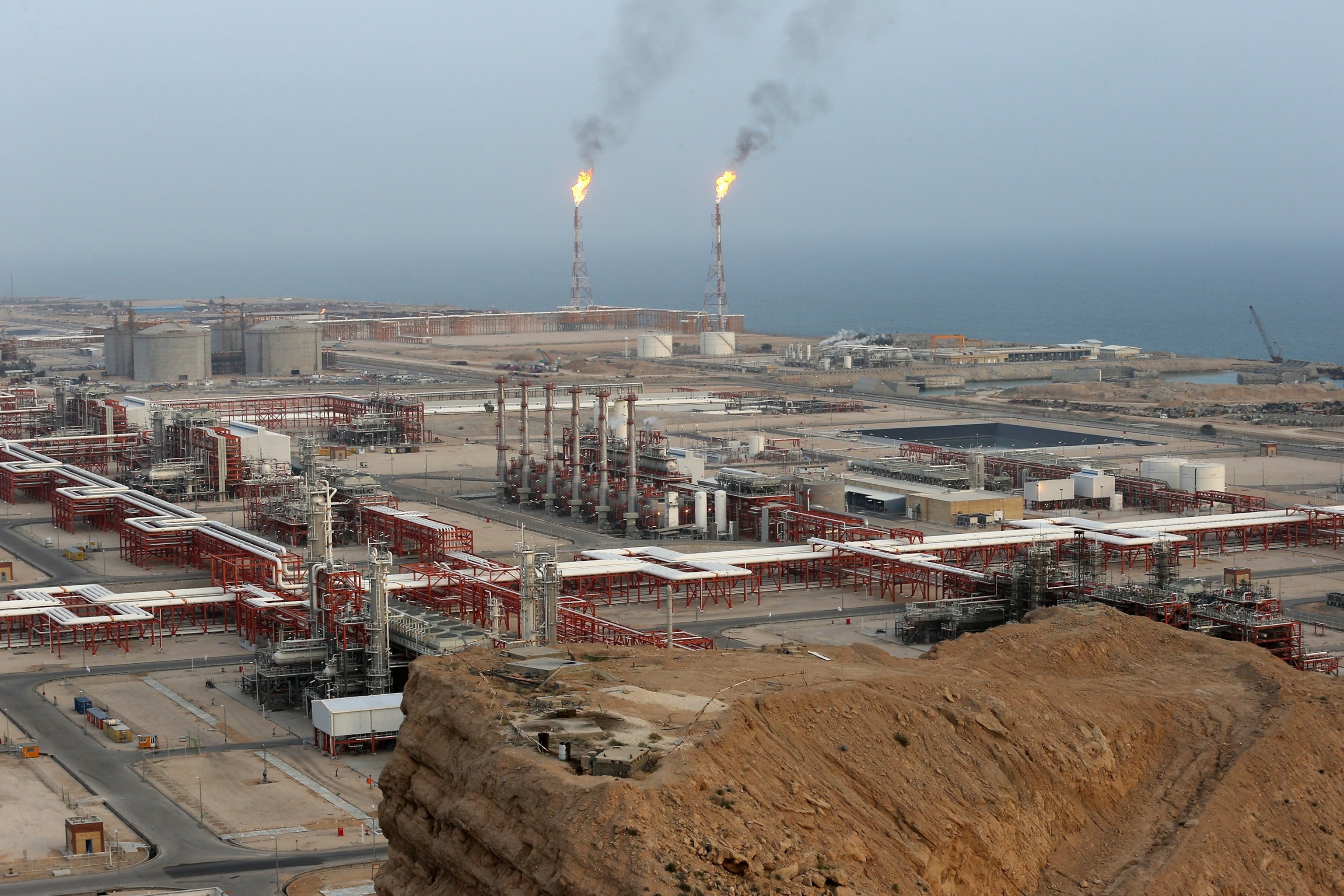
Iran’s list of targets included the Ras Laffan LNG terminal, as well as other facilities that produce refined products like gasoline, diesel, and jet fuel — but not crude oil. According to Kpler’s lead oil analyst, Matt Smith, the potential impact of these attacks could affect over 1.25 million barrels per day of oil refining capacity in the region, as well as natural gas production.
While the loss of output would amount to just over 1% of global refining capacity, it could still have an impact on gas prices. Patrick De Haan of GasBuddy noted that an attack on these refining facilities could have an even more significant impact on consumers at the pump than the loss of crude oil.
Following the strikes, oil in the U.S. was trading up nearly 3% at $99 per barrel. Global oil was up about 5% at $108 a barrel.
The Strait of Hormuz Remains a Critical Concern
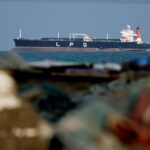
Iran’s attacks on energy infrastructure come as the Strait of Hormuz — the critical waterway off the southern coast of Iran that facilitates shipping for about 20% of oil consumed worldwide — remains essentially closed. This has choked the global oil supply and raised concerns about the stability of the region. The closure of this vital route highlights the broader implications of the ongoing conflict, as it threatens not only regional stability but also global energy markets.