US bunker-buster bombs strike Iranian missile sites near Hormuz Strait
U.S. forces launched a significant military operation targeting Iran’s anti-ship missile sites near the Strait of Hormuz, using 5,000-pound bunker buster bombs. This strike was confirmed by the U.S. Central Command (CENTCOM), which emphasized the strategic importance of the region as one of the world’s most critical oil choke points.
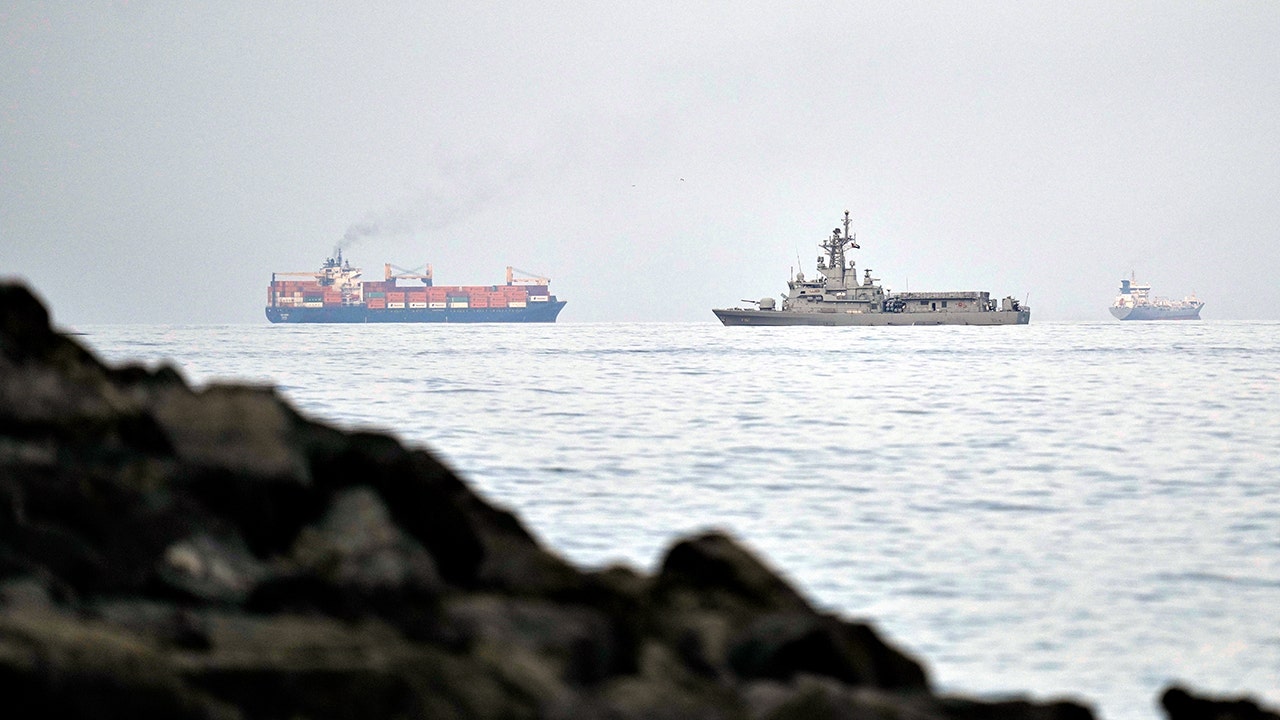
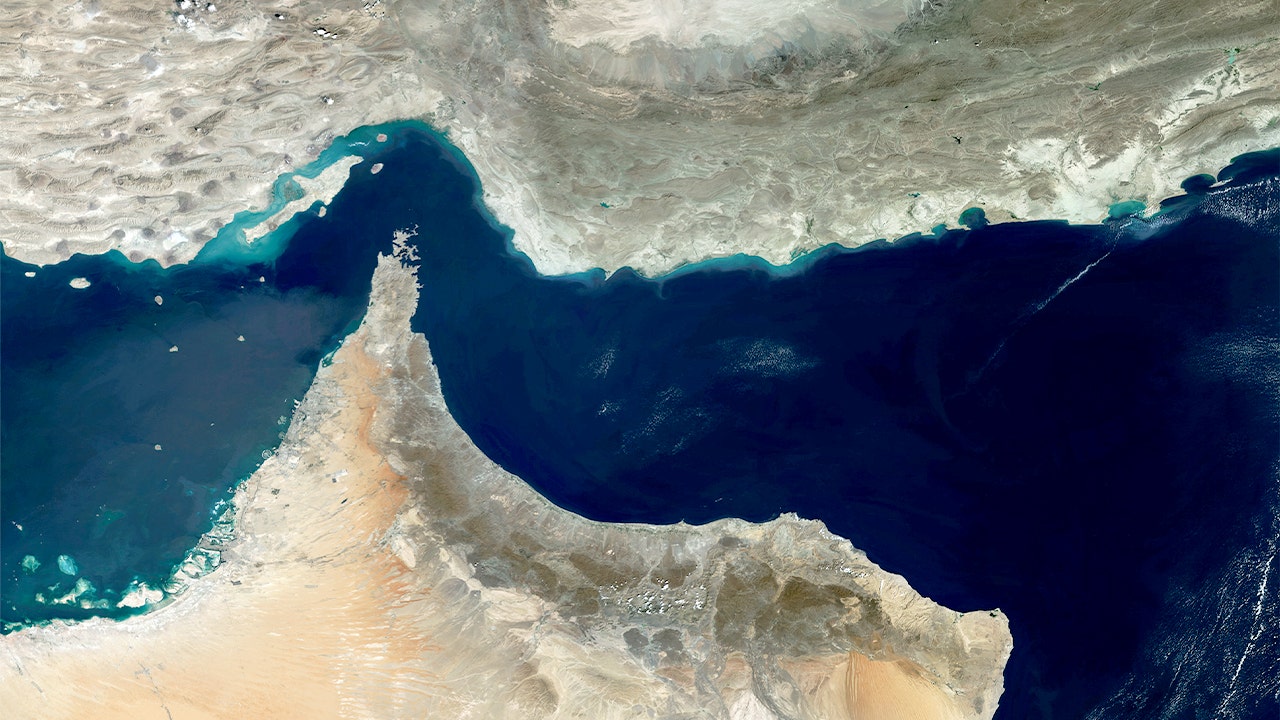
The attack occurred amid growing concerns over Iran’s increasing control over the Strait of Hormuz, a vital waterway for global oil and gas transportation. The area supplies approximately one-fifth of the world’s crude oil, making it a focal point for international security discussions.
“Hours ago, U.S. forces successfully employed multiple 5,000-pound deep penetrator munitions on hardened Iranian missile sites along Iran’s coastline near the Strait of Hormuz,” CENTCOM stated on X. These weapons, known as GBU-72 penetrators, are designed to destroy hardened or underground targets before detonation. The Air Force first tested these munitions in 2021, highlighting their advanced capabilities in modern warfare.
The strikes were a direct response to the threat posed by Iranian anti-ship cruise missiles, which have raised alarms among international shipping entities. The command acknowledged that these missiles could endanger vessels navigating through the strait, prompting the need for decisive action.
Since the conflict began in early March, most shipping traffic through the Strait of Hormuz has been halted. Reports indicate that around 20 vessels have been attacked in the area, contributing to a significant disruption in global oil supply chains. As a result, oil prices have surged more than 40%, surpassing $100 per barrel. Iran has also issued threats, stating it will not allow “even a single liter of oil” destined for the U.S., Israel, or their allies to pass through the strait.
Despite the challenges, some ships have managed to traverse the Strait of Hormuz. According to The Associated Press, citing Lloyd’s List Intelligence, at least 89 vessels passed through between March 1 and 15. Among them, 16 were oil tankers. The number of daily vessel passages has decreased from roughly 100 to 135 before the war, with a significant portion of the 89 vessels believed to be Iran-affiliated or associated with other countries such as China and Greece.
As oil prices climbed above $100 a barrel, former President Donald Trump urged allies and trade partners to deploy warships to secure the strait and help lower oil prices. However, no allies have committed to this effort yet. During a press conference, Trump expressed frustration with NATO, stating, “I think NATO’s making a very foolish mistake.” He added, “And I’ve long said that, you know, I wonder whether or not NATO would ever be there for us.”
Trump also mentioned that the U.S. had bombed military sites on Kharg Island, a key location for Iran’s oil network and exports. However, he clarified that the country’s oil infrastructure had not been targeted at this time. The decision to avoid damaging Iran’s oil infrastructure reflects a calculated approach to avoid further escalation in the region.
The situation remains tense, with ongoing concerns about the stability of global oil markets and the potential for further conflict. As the U.S. continues to take decisive actions to secure the Strait of Hormuz, the international community watches closely, aware of the broader implications for global energy security and geopolitical stability.