WHO Preparing for Long-Term Nuclear Risks in Iran
Rising Tensions in the Middle East Spark Global Health Concerns
Tensions in the Middle East are causing significant concern among global health officials as ongoing conflicts continue to escalate. The situation is not only raising alarms about immediate casualties but also about the potential for a much more catastrophic outcome, particularly involving nuclear risks.
Nuclear Program and Regional Fears
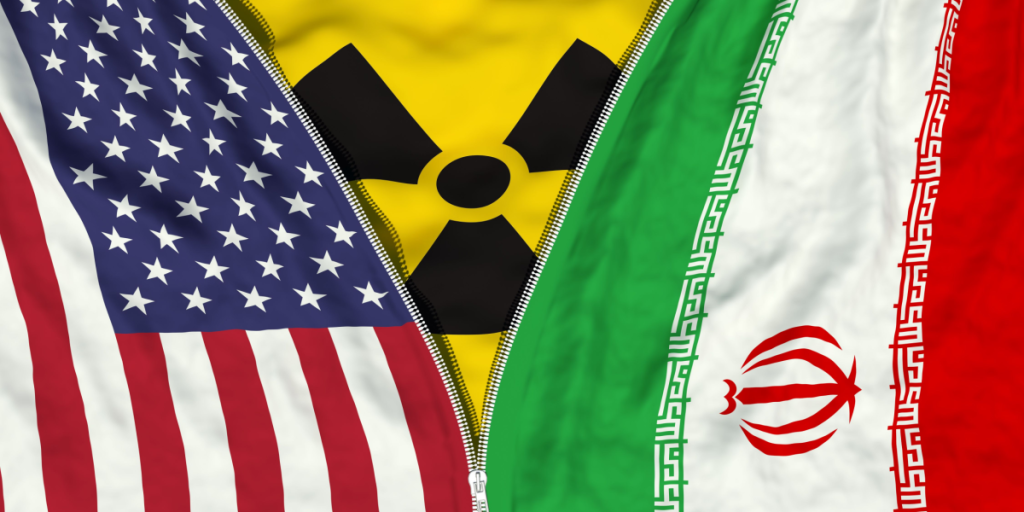
Iran’s nuclear program has been a focal point of international concern. Last year, a U.S. operation severely damaged Iran’s nuclear infrastructure, but fears persist that Tehran might still be working towards developing a nuclear weapon. While Iran maintains that its nuclear program is solely for peaceful purposes, the presence of nuclear materials during a time of war poses a serious risk.
Lessons from the Past
Historical events highlight the dangers of nuclear incidents. The 1986 Chernobyl disaster, although not caused by fighting, resulted in immediate deaths and a long-term increase in cancer cases. Similarly, the atomic bombings of Japan led to massive casualties and lasting health effects. These past tragedies serve as grim reminders of what could happen if a nuclear incident occurs in the current conflict zone.
Political Speculation and Denials
Speculation about the potential escalation of the conflict has emerged in political circles. However, former U.S. President Donald Trump dismissed suggestions that Israel might consider using nuclear weapons, stating, “Israel wouldn’t do that.” It is important to note that Israel has never officially admitted to possessing nuclear weapons, adding another layer of uncertainty to the situation.
WHO Preparing for the Worst
The World Health Organization (WHO) is actively preparing for the possibility of a nuclear catastrophe if the conflict involving the U.S., Israel, and Iran escalates further. Hanan Balkhy, WHO regional director for the eastern Mediterranean, emphasized that teams are monitoring the situation closely and remain “vigilant” about potential threats linked to nuclear facilities.
Balkhy explained that preparations include scenarios ranging from attacks on nuclear infrastructure to the possible use of nuclear weapons. She warned that the worst-case scenario is a nuclear incident, which would have severe consequences for the region and globally, with effects lasting for decades.
Ongoing Strikes and International Response
The warnings come after repeated strikes on Iranian nuclear sites. Iran confirmed attacks on facilities in Fordow, Isfahan, and Natanz following joint U.S. and Israeli operations. A statement from the White House, released on March 1, explained that the operation was aimed at “eliminating the imminent nuclear threat posed by the Iranian regime.”
So far, there have been no confirmed reports of radioactive contamination. However, Balkhy warned that exposure could cause severe short-term injuries and long-term illnesses, including cancer and psychological harm.
Attacks on Healthcare Facilities
Beyond nuclear risks, WHO officials have condemned attacks on healthcare facilities. The agency has recorded dozens of incidents affecting medical workers in Iran and Lebanon since late February. In a follow-up statement to POLITICO, Balkhy described such attacks as “tragic and unacceptable,” stressing that medical personnel must be protected under international law.
Humanitarian Crises Worsening
Meanwhile, displacement and shortages are worsening humanitarian conditions. Hundreds of thousands have fled their homes, while access to food, clean water, and medical care is increasingly limited. The situation is becoming more dire, with health systems struggling to cope with the growing demands.
Conclusion
As tensions continue to rise in the Middle East, the potential for a nuclear catastrophe remains a pressing concern. The international community is watching closely, with health officials and organizations like the WHO preparing for the worst. The situation underscores the need for continued dialogue, diplomacy, and efforts to prevent further escalation.