Erin Burnett’s Iran War Reporting: Why It Was Hard to Leave
The Return to New York
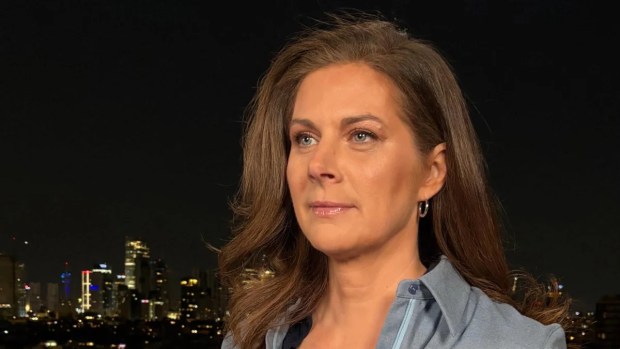
As Erin Burnett, the host of CNN’s “Erin Burnett OutFront,” prepared for her first show in New York since returning from covering the Iran War, a unique sight caught the eye—three bags of red Wiley Wallaby licorice on her desk. This was a gift from her staff after two weeks away. Despite her usual jovial demeanor as she welcomed Jendela Magazine into her office before the show, Burnett, 49, admitted that coming back from such a high-stakes conflict was different than previous trips.
“It was hard to leave this time,” she said, struggling to find the right words. “When you’re in the midst of something, there’s an adrenaline, there’s a feeling of, you’re committed, you’re a part of seeing something and watching something and then coming out of it is—it’s a very unmoored feeling.”
Burnett has covered various conflicts over the years, including the Ukrainian crisis, wildfires in Los Angeles, and most recently, the strikes on Iran. Her experience in the region is extensive, and it’s likely not the last time she’ll be there.
On-the-Ground Coverage
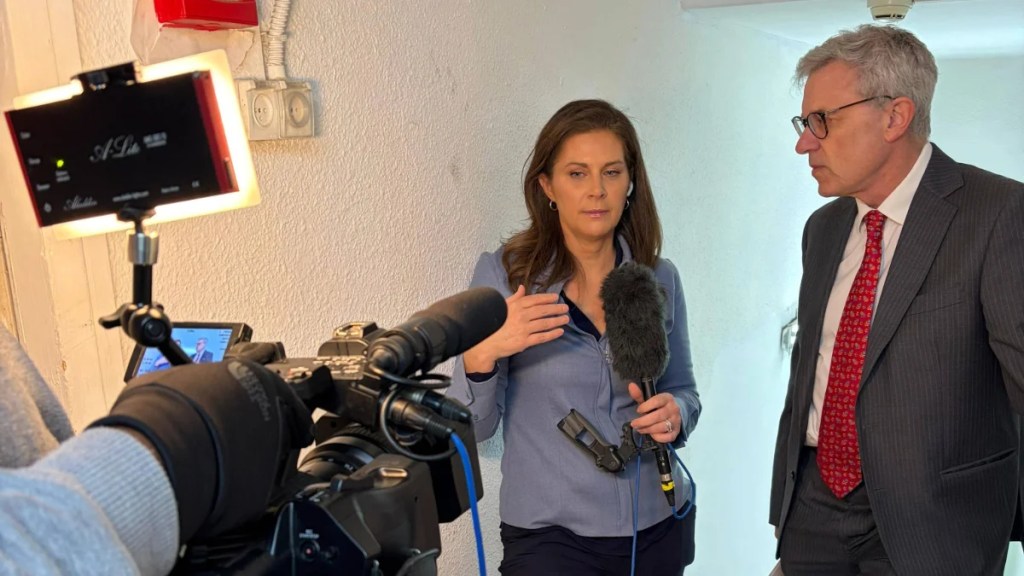
On-the-ground coverage has been a staple of CNN for decades. The network has had reporters stationed throughout the region since the Feb. 28 strikes, and it was the first U.S.-based outlet to send a reporter, Frederik Pleitgen, into Iran with permission from the Iranian government. His first live interview from the country was on Burnett’s show, reflecting the network’s ability to “go there,” as its 2014 motto suggested.
Criticism and Controversy
Despite this, CNN has faced criticism, especially from conservatives. The network has been accused of broadcasting Iranian propaganda by showcasing day-to-day life in the nation. Defense Secretary Pete Hegseth has also criticized CNN’s coverage during press briefings, suggesting that a potential acquisition by Paramount CEO David Ellison might lead to a more administration-friendly approach.
CNN CEO Mark Thompson defended the network’s journalism, stating that they only sought to report the truth. “Politicians have an obvious motive for claiming that journalism which raises questions about their decisions is false,” he said.
Personal Reflections
For Burnett, the criticism doesn’t bother her much. She believes that covering the war firsthand helps people “touch it a little bit more.” “When there’s so much at stake and just so much suffering and so much loss and just these situations—none of them had to happen,” she said. “It brings that home to people, just the incredible loss and pain that individual people are going through.”
Burnett arrived in Israel within hours of the Feb. 28 strikes via Egypt and Jordan, and immediately began long days of live shots and little sleep. Her weeks covering the war have led to gripping moments of television. Within hours of her arrival, she had to take shelter with a guest during a live interview as sirens warned of incoming missile fire.
The Challenge of Reporting
Some moments offered a source of pride. As Pleitgen streamed into “Erin Burnett OutFront” on March 6, his first live interview from Iran amid an internet blackout, Burnett said the conversation reflected “a really powerful moment” for both the coverage of the war and the network itself.
“All the macro things with television and all the changes and struggles,” she said, “in a moment like that, we’re as good as we’ve ever been.”
Accusations of Propaganda
Still, CNN continues to face criticism. A State Department official accused Pleitgen of spreading “pro-Iran regime propaganda” earlier this month for documenting how Iranians were still able to purchase gas and groceries. This prompted a network statement defending his reporting. Hegseth has also complained that media outlets have spent too much time covering stories like the six U.S. soldiers killed during retaliatory strikes in order to “make the president look bad.”
Burnett said the rules of media coverage in the region have shifted since the Oct. 7 attack on Israel by Hamas, sometimes making it harder for reporters to showcase all facets of the war. Her and Pleitgen’s goals have been to be as transparent as possible with their audiences about how they report on the conditions within both nations while maintaining editorial control.
“You be honest, and you be transparent, and you tell the truth as you can report it and know it to be,” she added.
The Looming Acquisition
While the president himself has not commented on Burnett’s coverage specifically, a November report indicated that Oracle co-founder Larry Ellison, who is backing son David Ellison’s bid to purchase WBD, discussed axing Burnett and her colleague Brianna Keiler with White House officials should Paramount’s deal close.
Burnett dismissed the report as a “hypothetical,” saying she’d rather keep “an open mind to how they’re going to actually look at the company” and focus on her and her team’s work. Ellison said he would maintain CNN’s “editorial independence.”
“I come to work every day, whatever the BS might be going on around in general, I love coming to work with them, and I’m so proud of our work,” she said. “You think about what we did last week, it’s like, I couldn’t be more proud of what the brand does, what our team does, and I really believe in that … And I hope that they recognize what this company is capable of and what it can mean in important moments.”
Moving Forward
As for the acquisition and Ellison’s public commitment, “I hope that’s the case.” “Up until then, it’s business as normal, and hopefully it’s business as usual after that,” Burnett said. “Maybe there’s a part of it, when they buy an asset like this, that maybe in moments like this, they are proud of the asset that they’re buying, and that they believe in it, and I hope they believe in it.”
Still, she knows she has a job to do. As we move from her office to her studio, her light-blue shoes swapped for blue cheetah-print heels, Burnett primes herself for her first show back behind the anchor desk. Returning to it reminds her of “an incredible sense of privilege” and an appreciation of how “it’s all very fragile”—though she said she still plans to return to the Gulf during the conflict for more stories.
In a text message the day after our interview, Burnett said she found the word that summed up her feelings: “guilt.” “Guilt for leaving and perhaps also, in some hard to explain way, for trespassing,” she wrote. “Because even though we go in the hope that more people will witness what is happening, we are treading in places—emotionally and physically (destroyed homes and neighborhoods)—that are someone else’s.”
As I sit in the studio for a special edition of the show on Monday mostly dedicated to the war, I watch her pepper guests Cedric Leighton, a CNN military analyst, and former Rep. Charlie Dent (R-Pa.) with questions about its future. Whether from New York or Tel Aviv, Burnett was determined to stick with the story.