Traffic Slowdown in Strait of Hormuz: Who’s Moving, Who’s Stuck
Iran’s De Facto Blockade of the Strait of Hormuz
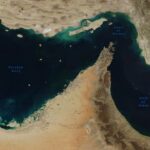
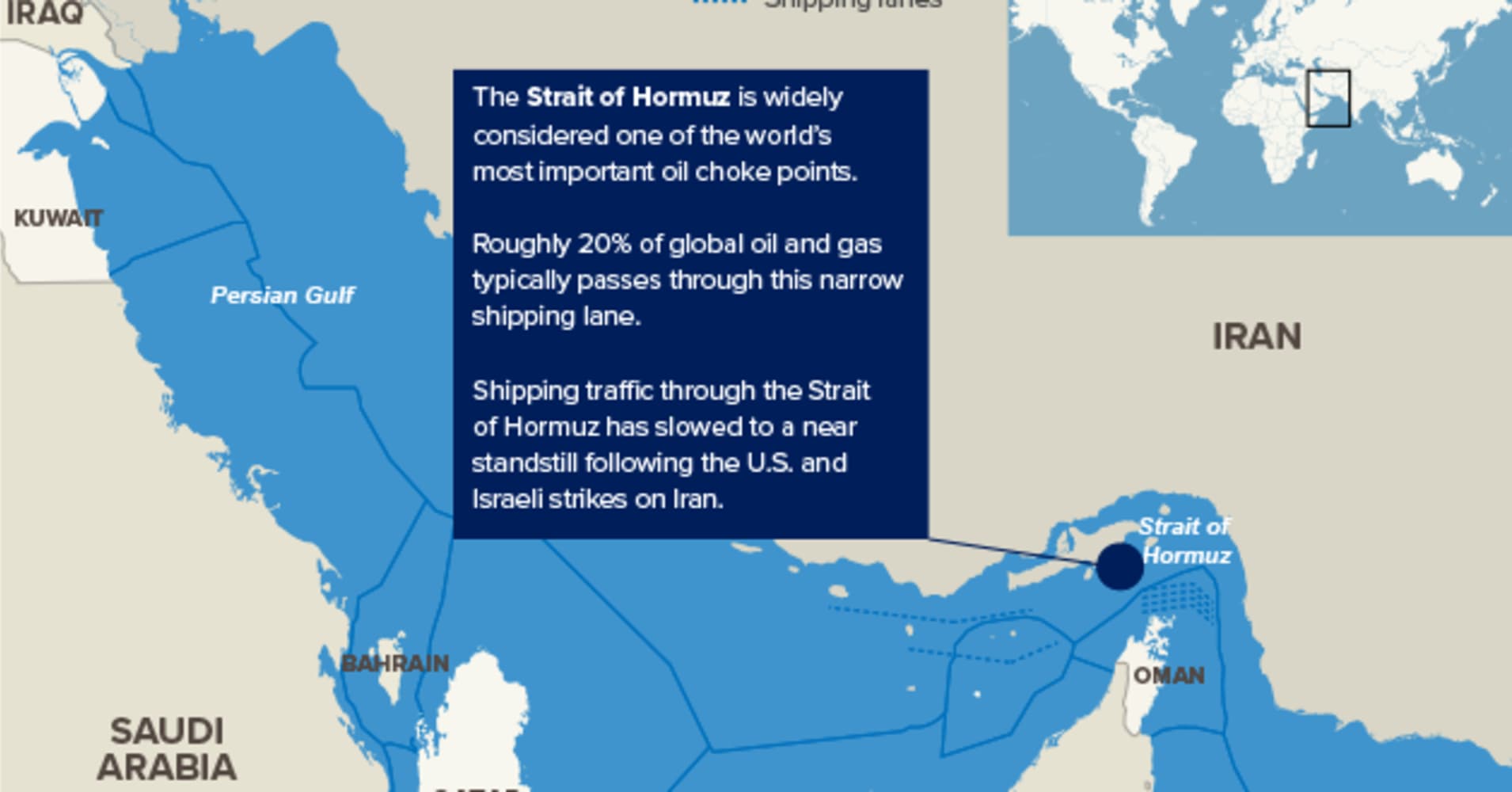
Iran’s de facto blockade of the Strait of Hormuz has significantly impacted global shipping, reducing traffic to a trickle since the conflict began. This strategic waterway is one of the world’s most critical routes for oil transportation, and its closure has raised serious concerns about potential disruptions to global energy supplies.
Reduced Shipping Traffic
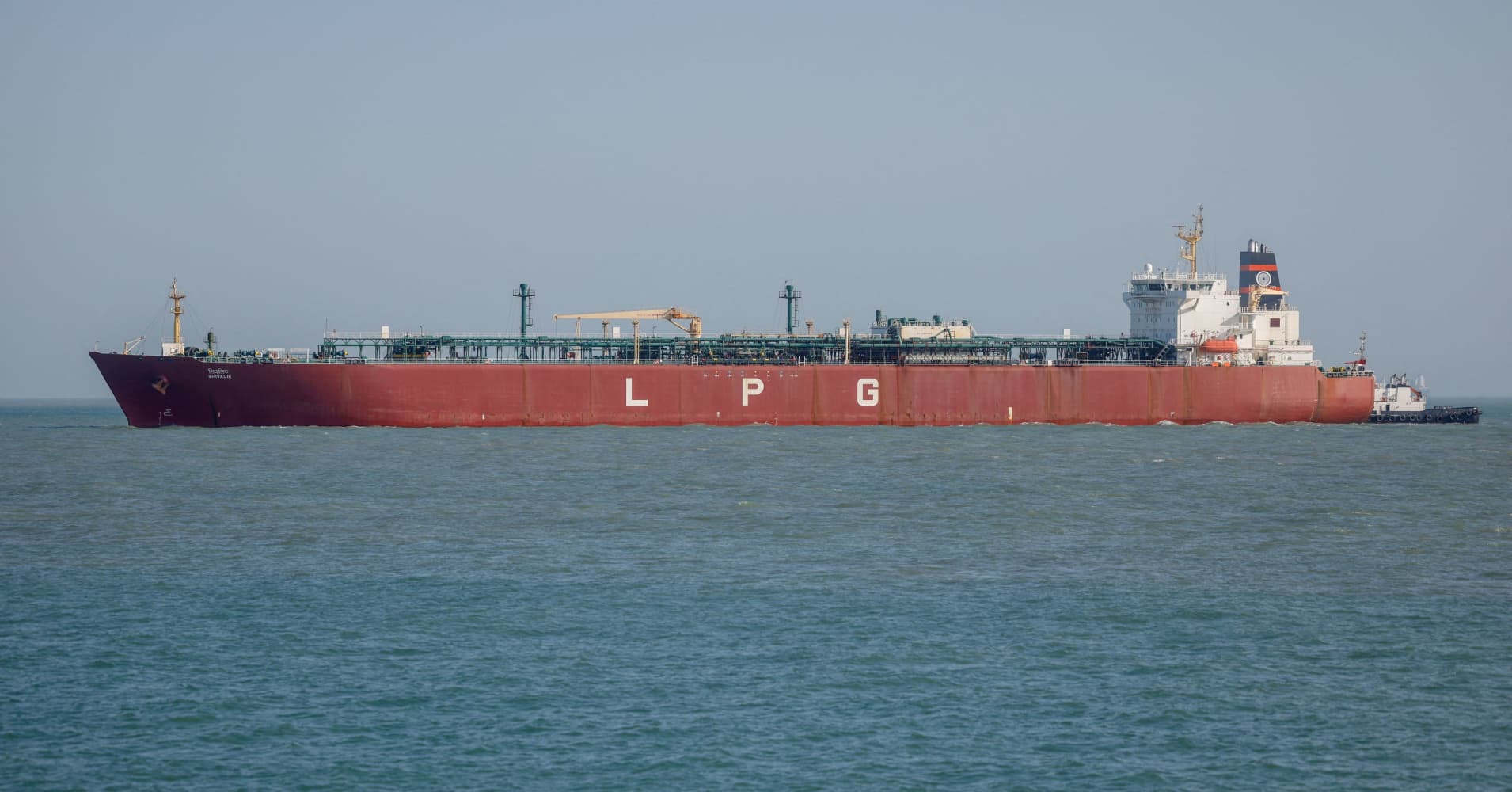
According to S&P Global Market Intelligence, only 21 tankers have transited the Strait of Hormuz since the war began on February 28, compared to over 100 ships daily before the conflict. Most vessels are now holding positions outside the strait, with thousands of seafarers stranded aboard in the Gulf. Some ships have explored alternative ports to bypass the chokepoint.
A report from maritime intelligence firm Windward noted that roughly 400 vessels were spotted operating in the Gulf of Oman, indicating a massive backlog of ships waiting near the strait.
Selective Allowance of Non-Iranian Cargo
Despite the blockade, a small number of other ships have managed to cross the strait under varying circumstances. This suggests that Tehran is selectively allowing some non-Iranian oil cargo through in negotiated safe voyages, according to maritime analysts.
Countries Navigating the Strait of Hormuz
China
Tehran has largely avoided targeting ships linked to China. Dozens of vessels broadcasting AIS destinations referencing Chinese ownership or crew presence have been observed operating in the Gulf. Windward analysts suggested this pattern may indicate an informal access filter, where vessels signaling Chinese ownership or crew may be attempting to avoid targeting in the current conflict environment.
Beijing was reportedly in talks with Iran to allow crude oil and Qatari liquefied natural gas carriers to pass through the strait. Iran has continued to ship millions of barrels of crude oil to China since the war began.
From March 1 to March 15, a total of 11 China-linked vessels transited through the Strait of Hormuz, mostly general cargo ships. However, a ship that broadcasts its Chinese affiliation does not always guarantee safe passage. One China-owned vessel was struck by shrapnel while sailing from the Middle East Gulf toward Jebel Ali in the UAE, deterring further Chinese transits.
Greece
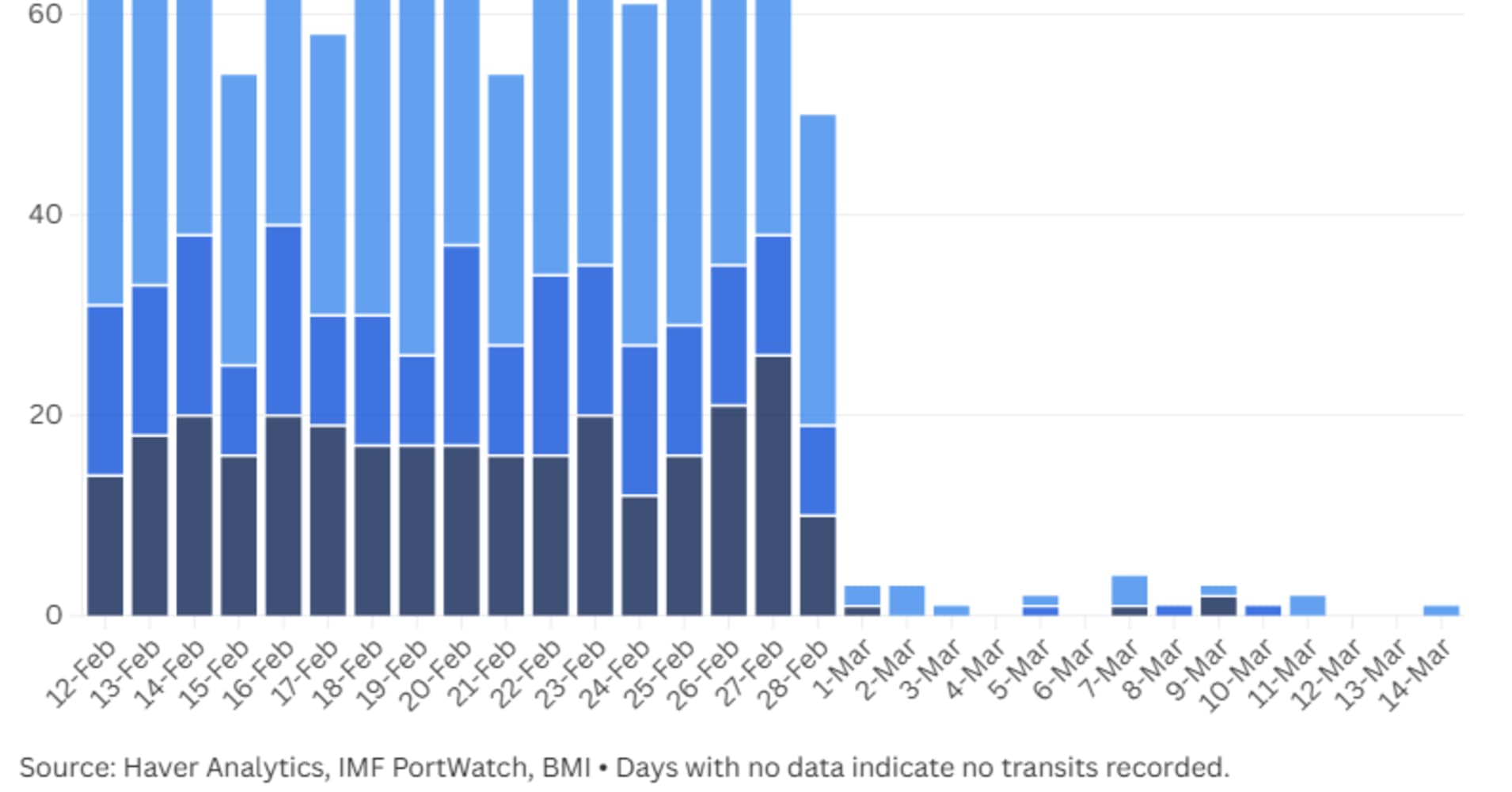
Greek shipowners, run by Athens-based Dynacom Tankers Management, have been among the first mainstream operators to test the route. The Shenlong, a Liberia-flagged Suezmax tanker managed by Dynacom, transited the strait around March 8, carrying roughly 1 million barrels of Saudi crude to arrive at Mumbai, India’s anchorage. Another oil tanker, the Smyrni, laden with Saudi crude oil, also sailed through the waterway last week and anchored in Mumbai.
It is not yet clear whether Smyrni was allowed safe passage due to its cargo bound for India, said Lloyd’s List Intelligence.
India
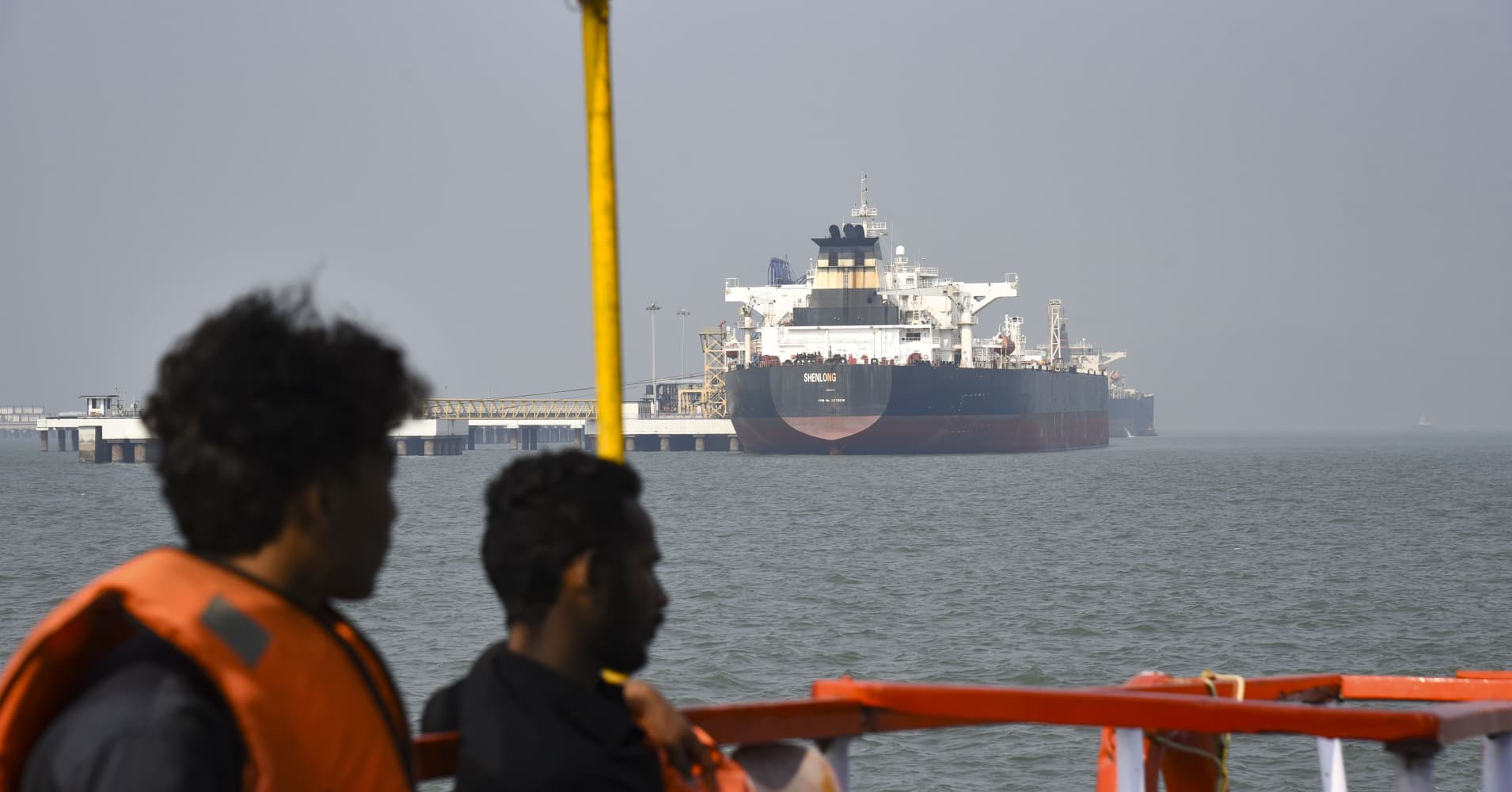
Indian Foreign Minister S. Jaishankar described the country’s direct talks with Tehran as productive. Two Indian vessels carrying liquefied petroleum gas (LPG) under the Shipping Corp. of India were also permitted to transit, with one arriving Sunday and a second expected Tuesday.
About 22 vessels carrying crude, LPG, and liquefied natural gas remained anchored in the strait, awaiting confirmation for safe passage.
Pakistan and Turkey
As recently as Monday, a Pakistan-flagged Aframax tanker laden with crude from Abu Dhabi became the first confirmed non-Iranian cargo vessel to transit the choke point while broadcasting its location. This indicates that select shipments may be receiving negotiated safe passage.
Turkish authorities confirmed that one Turkish-owned vessel was permitted to transit after calling at an Iranian port, though 14 additional Turkish-owned vessels remain in the region awaiting clearance.
Random Attacks and Route Diversion
The Strait of Hormuz has remained effectively shut to the global energy flow as Tehran continued sporadic attacks on vessels. Attacks on ships in the Gulf appeared “random” and lacked a pattern, aimed at sowing confusion and disruption rather than targeting specific national profiles or vessel types, maritime analysts said.
At least 16 vessels have been struck in waters near the UAE’s Fujairah port, Iraq’s Khor Al Zubair port, and the Gulf of Oman, according to the International Maritime Organization. Several vessels targeted had Western or Gulf-state connections, including links to the U.S., UAE, and U.K. through ownership or state registration, according to Windward.
Other affected vessels included ships arriving from Thailand, Vietnam, and Brazil, indicating broad targeting of dense commercial shipping lanes rather than a narrow focus on one nationality or operator class.
Shipowners have scrambled to secure alternative routes, contingency ports, or inland transportation networks, setting off a cascade of congestion across the region’s secondary hubs. When the war began, some 81 container vessels were bound for ports along the Strait of Hormuz, according to Kpler. Since then, 43 have rerouted to other Gulf ports, with the rest diverting from the region entirely.
Cargoes have been redirected to ports outside the strait, notably Fujairah and Khor Fakkan in the UAE, and Oman’s Sohar, before being moved by truck to their destinations.