Why Oil Tankers Avoid the Strait of Hormuz, Experts Explain
Gasoline prices have been rising steadily since the conflict between the United States and Israel escalated with Iran, placing a heavy burden on consumers and testing their patience as the situation continues into its third week. The increase in fuel costs is largely attributed to the near-closure of the Strait of Hormuz, a vital waterway located off the southern coast of Iran that serves as a critical route for approximately 20% of the world’s oil supply.
The situation has worsened due to Iran’s attacks on several oil tankers since the war began in late February, which have effectively halted nearly all shipping traffic through the strait. This disruption has led to a surge in oil prices, further exacerbating the economic strain on consumers.
Trump’s Shift in Strategy
President Donald Trump recently urged several countries, including the United Kingdom and Australia, to assist in opening the strait. However, he later reversed his stance, stating on social media that “we no longer ‘need,’ or desire, the NATO Countries’ assistance — WE NEVER DID! Likewise, Japan, Australia, or South Korea.” This short-lived effort to form an international coalition came after Trump had previously pledged U.S. naval escorts for oil tankers if needed. Just days before, he encouraged oil tankers waiting at the Strait of Hormuz to “show some guts” and proceed through the waterway.
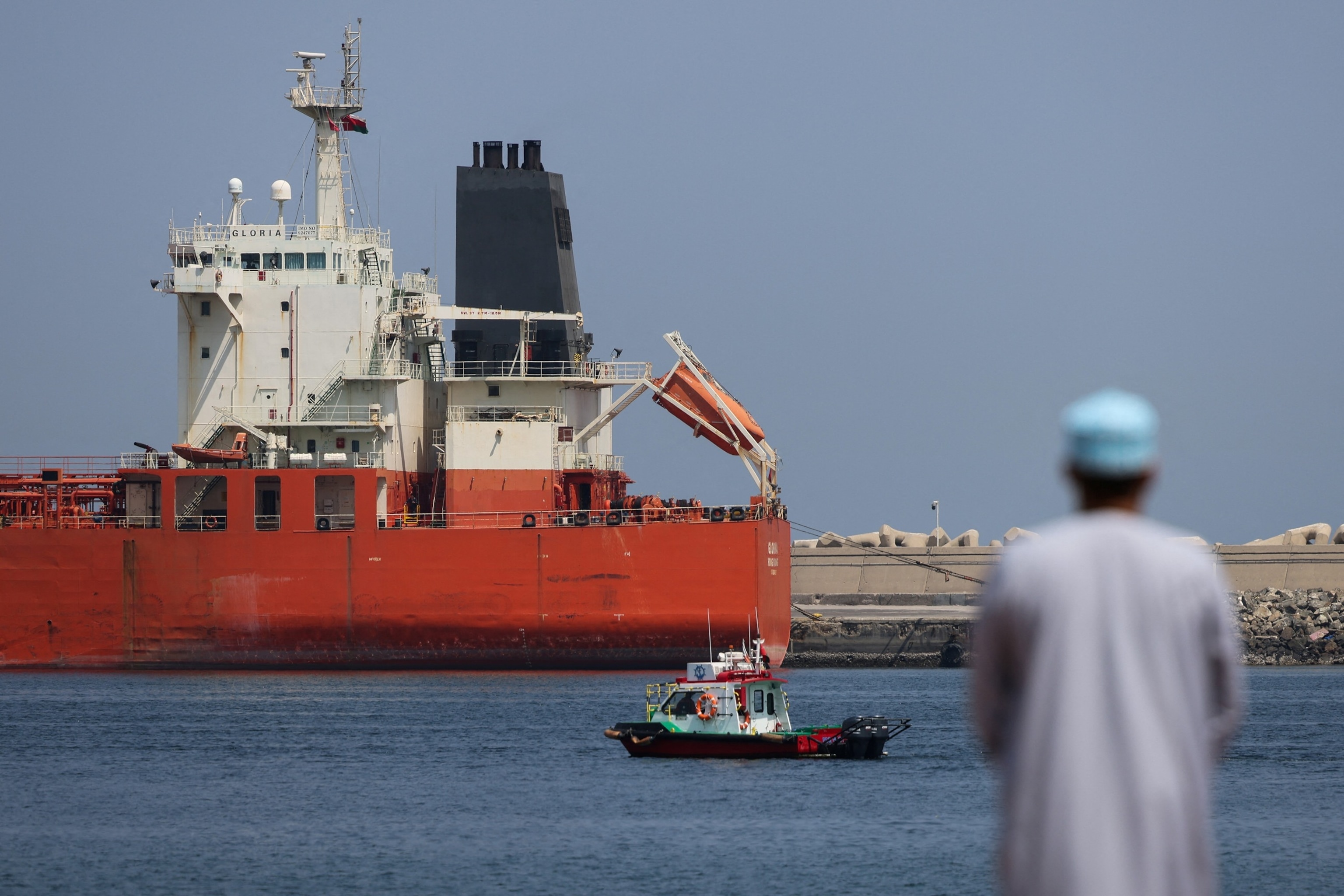
Despite these efforts, alternatives for transporting oil are limited and cannot replace a significant portion of the lost output. Analysts suggest that most oil ships have opted against traveling through the strait due to the high risk of Iranian attacks.
Iranian Threats and Shipping Decisions
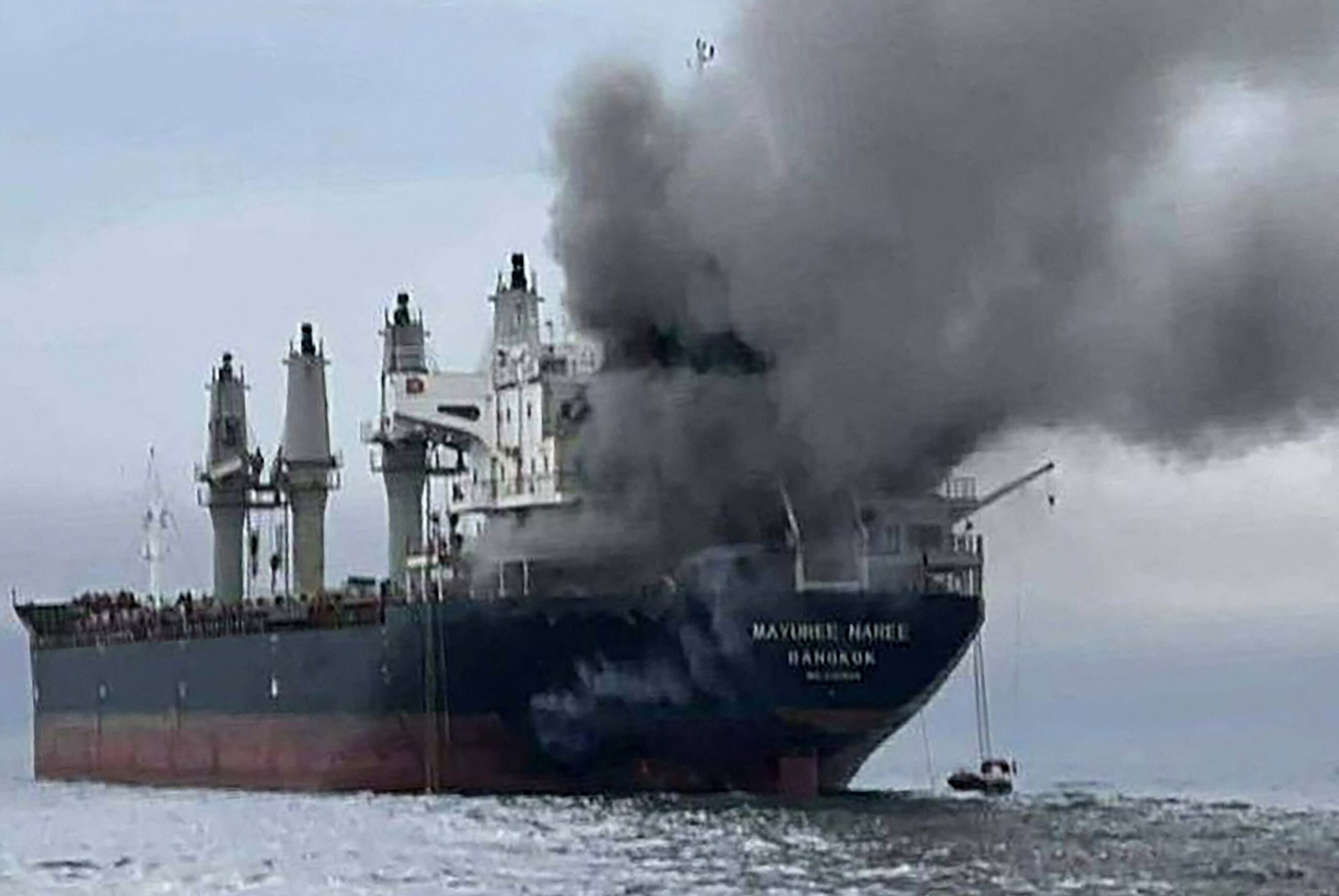
Analysts point to the high likelihood of Iranian attacks as the primary reason for the tanker stoppage outside the strait. Tensions increased last week when the Iranian military claimed responsibility for attacking an oil tanker in the Persian Gulf, one of three commercial ships attacked in a single day near the Strait of Hormuz.
The Safesea Vishnu, a ship sailing under the Marshall Islands flag, was one of two oil tankers struck on Thursday. In a message read on Iranian state television, Mojtaba Khamenei, the newly installed supreme leader of Iran, emphasized the importance of maintaining the closure of the shipping route as a means to pressure the enemy.
Some oil tankers have continued to pass through the Strait of Hormuz since the war began, particularly those carrying Iranian oil bound for China. However, the threat of Iranian attacks remains a major concern for decision-makers, according to Jean-Paul Rodrigue, a professor of maritime business administration at Texas A&M University-Galveston.
“The strait isn’t closed — Iran can’t close it,” Rodrigue said. “They can project a risk of interdiction. Nobody knows exactly what those risks truly are.”
Insurance and Risk Management
Insurance, typically used to manage risk, has not proven effective in addressing the issue of reduced traffic through the strait. After the war began, Trump ordered the federal government to provide “political risk insurance and guarantees for the Financial Security of ALL Maritime Trade, especially Energy, traveling through the Gulf.” While insurance is still available for shippers, it comes at significantly higher costs, as reported by Bloomberg.
Despite this, many ships remain hesitant to pass through the strait. Rob Handfield, a professor of operations and supply-chain management at North Carolina State University, highlighted the potential for catastrophic damage from a successful attack on an oil ship.
“The oil could ignite, the ship could blow up — it’s a huge risk,” Handfield said. “Nobody wants to risk that.”
Financial Incentives and Future Outlook
Security measures and oil prices continue to fluctuate, influencing shippers’ decisions about whether to attempt passage through the strait. Eugene Gholz, a professor of political science at the University of Notre Dame, described the halt in tanker traffic as a “pause” that allows shipping firms to assess the risks involved.
“At some point, they’ll decide the financial incentive is high and the risk is low enough,” Gholz said. Last week, U.S. Energy Secretary Chris Wright mentioned that the Pentagon is working on a naval escort for oil tankers but noted that the operation is not yet ready.
“It’ll happen relatively soon but it can’t happen now,” Wright said, adding that the operation would take place in “weeks, not months.”
The promise of improved security in the Strait of Hormuz may provide tankers with an “incentive to delay,” as they could anticipate fewer risks in the near future. Gholz added, “If you were a shipping company or a captain thinking about this, why would you go today if you waited a few more days and you might have something that would feel more secure?”