Wagner’s Mercenaries Protect Russia’s Secret Tanker Fleet
The Evolution of Russia’s Shadow Fleet
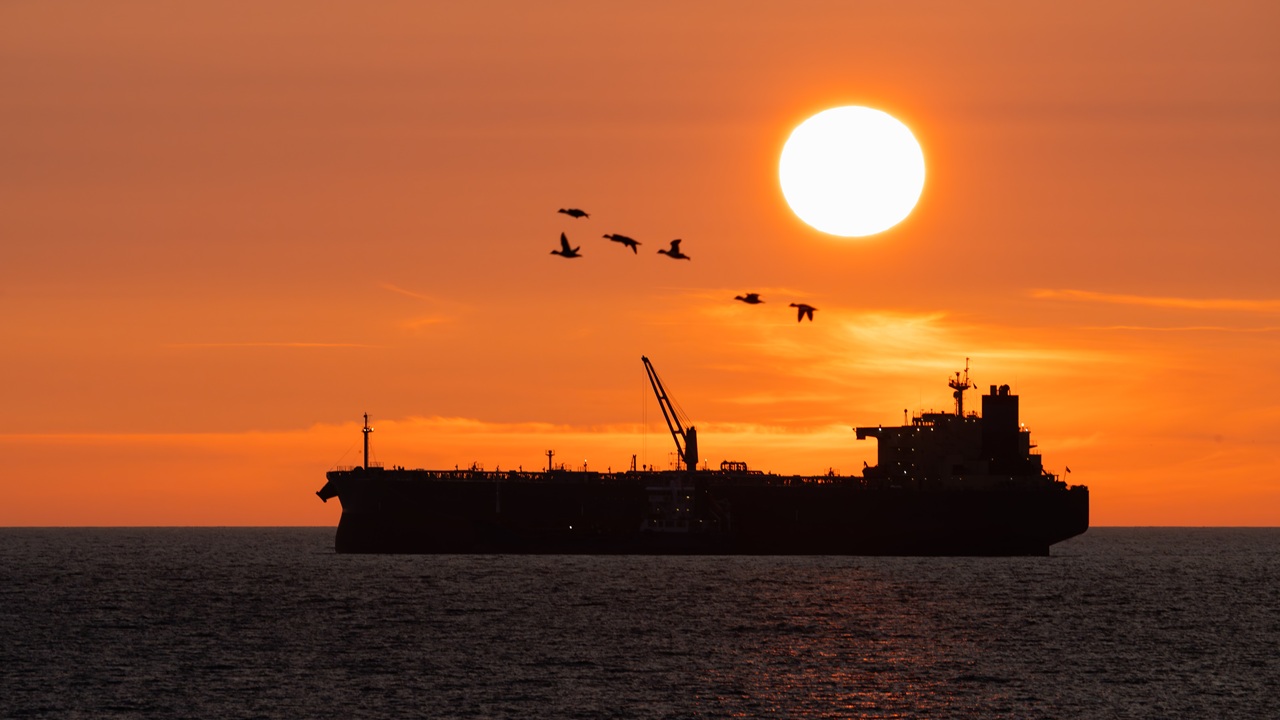
Russia has long been known for its complex and secretive maritime operations, but the recent development of its “shadow fleet” has taken this strategy to a new level. This fleet consists of over 1,500 aging vessels that operate under various disguises, allowing Moscow to continue exporting oil and other goods despite international sanctions. These ships are often sold to shell companies, operate without location transponders, and change their flags to avoid detection. The shadow fleet is a critical component of Russia’s efforts to sustain its economy and fund its military operations.
The Role of Mercenary Groups
In addition to these covert operations, two-man mercenary teams have begun appearing on many of these vessels. These teams serve as a deterrent against boarding attempts by unfriendly nations. According to an investigation by the Organized Crime and Corruption Reporting Project (OCCRP) and its partners, some of these individuals are linked to the Wagner Group, elite Russian military units, or the GRU military intelligence service. These personnel lack formal maritime credentials, raising questions about their qualifications and the true purpose of their presence.
The Wagner Group, once a prominent paramilitary organization, was restructured into a state-controlled entity following a rebellion led by its founder, Yevgeny Prigozhin, in June 2023. Prigozhin died in a mysterious plane crash later that year, leading to the group’s rebranding as the “Africa Corps.” While the group now focuses on supporting Russian interests in African nations, some former members have shifted their attention to the shadow fleet.
Security Measures on the Shadow Fleet
The inclusion of these security teams is not just symbolic. They are deployed in two-man “vessel protection teams,” primarily in the Baltic Sea, where they aim to deter inspections and potential seizures. Despite the Baltic Sea being considered a de facto NATO area since Sweden joined the alliance, it remains a crucial route for Russia’s oil exports. Approximately 40% of Russia’s oil travels through this region, making it a strategic asset for Moscow.
Colonel Ants Kiviselg, head of the Estonian Defense Forces Intelligence Center, noted that the presence of these security teams highlights the importance of the shadow fleet to Russia. “The goal of this activity is to protect the Russian Federation’s revenue base from potential threats, be it sabotage organized by Ukraine or other interference from the West,” he stated.
Deceptive Tactics
To further enhance the appearance of security, some Shadow Fleet vessels have used dressed mannequins in uniforms to resemble armed personnel. This tactic is designed to create the illusion of a more formidable force, thereby deterring inspections. A source familiar with the matter told OCCRP that the presence of these individuals is meant to “raise the stakes” and make potential inspectors more cautious.
“Two potentially armed individuals certainly changes [our] risk calculus when we must decide whether to stop or seize the tanker,” the source said. “Russia believes this makes NATO member states along the Baltic Sea more cautious.”
Strategic Implications
Beyond mere security, the shadow fleet may also be part of a broader hybrid warfare strategy. Sean Wiswesser, a former CIA senior operations officer, pointed out that the number of cable cuts in the Baltic Sea has been unusually high in recent years. “It’s definitely not just about protecting Russia’s oil,” he said. “Nowhere else in the world have there been as many cable cuts, and in a short time, as there have been in the past two years in the Baltic Sea.”
NATO has responded to the shadow fleet with increased maritime patrols and targeted inspections. However, the question remains how Russia will react to these measures. Will the Kremlin escalate its use of mercenaries, or will it find alternative ways to maintain control over its economic lifeline?
Conclusion
The shadow fleet represents a sophisticated and multifaceted approach by Russia to circumvent international sanctions and maintain its economic and military capabilities. With the addition of mercenary security teams and deceptive tactics, the fleet continues to pose a challenge to Western powers. As tensions persist, the role of these covert operations will likely remain a critical aspect of Russia’s strategic posture.