UN: Israeli Strikes in Lebanon Could Constitute War Crimes
Escalating Conflict and Humanitarian Crisis in Lebanon
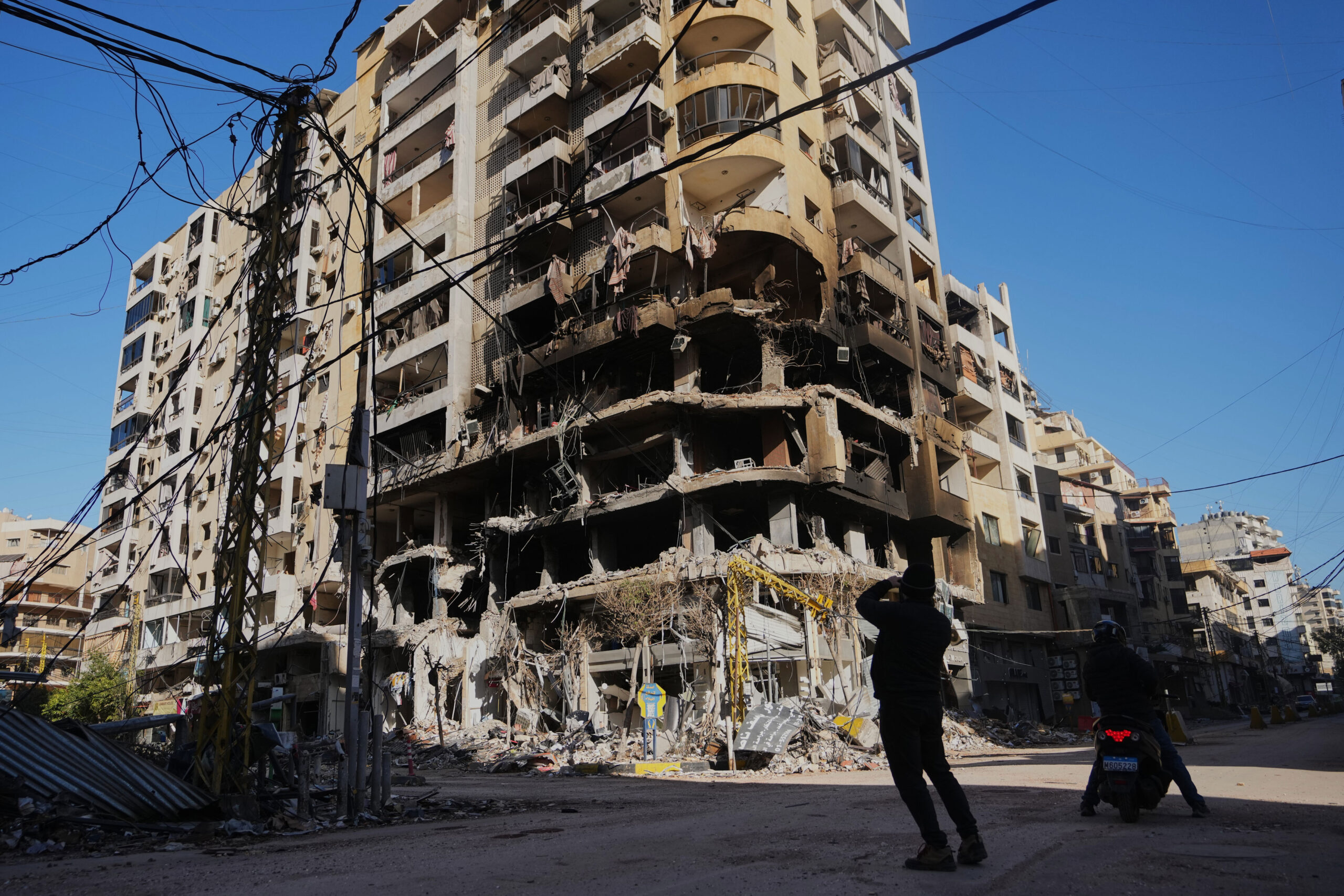
The ongoing conflict between Israel and Lebanon has raised serious concerns about potential war crimes, according to the United Nations human rights office. The situation has worsened as Israeli military actions target residential buildings and civilian infrastructure in Lebanon, leading to significant loss of life and displacement.
At a news briefing in Geneva, a spokesperson for the UN High Commissioner for Human Rights, Volker Turk, highlighted the destruction of hundreds of homes and other critical facilities, including healthcare centers, in areas such as Beirut. The attacks have not only resulted in the loss of lives but have also severely impacted the availability of essential services for civilians.
Impact on Civilians and Healthcare Workers
Thameen al-Kheetan, a representative from the UN, emphasized that displaced Lebanese civilians living in tents along the Beirut seafront were among those killed in Israeli strikes. Additionally, at least 16 health workers have been killed since early March, raising further concerns about the protection of medical personnel.
International humanitarian law mandates a clear distinction between military targets and civilians. Attacks that deliberately target civilians or civilian objects are considered war crimes. This includes the specific protections afforded to healthcare workers and vulnerable groups such as the elderly, women, and displaced individuals.
Increasing Casualties and Displacement
According to the latest figures from the Lebanese Ministry of Public Health, at least 886 people, including 111 children, have been killed, and 2,141 wounded in Israel’s attacks on Lebanon since March 2. The conflict began in early March after Iran-backed Hezbollah launched rockets into northern Israel following the assassination of Iranian Supreme Leader Ali Khamenei in U.S.-Israeli attacks on February 28.
The Israeli military has carried out extensive aerial and ground assaults across Lebanon, claiming it is targeting Hezbollah. In response, Hezbollah has fired rocket barrages into northern Israel and engaged Israeli forces in southern Lebanon.
Worsening Humanitarian Situation
The conflict has led to a severe humanitarian crisis, with over one million people displaced from their homes. Israel has issued threats of forced displacement for areas south of the Litani River and the southern suburbs of Beirut. Israeli Defence Minister Israel Katz stated that residents of southern Lebanon “will not return to their homes until the security of the residents of the north [of Israel] is guaranteed.”
Michael Adams, the country director at CARE Lebanon, noted that the humanitarian response is struggling to meet the scale of the displacement crisis. He pointed out that there are not enough resources, supplies, or funding to address the immense needs of the affected population.
Concerns Over Forced Displacement
The Office of the UN High Commissioner for Human Rights has expressed concern over the displacement crisis, noting that Israel’s orders for residents of southern Lebanon to leave their homes may amount to forced displacement, which is prohibited under international humanitarian law.
Al-Kheetan highlighted the wide range of human rights issues arising from the displacement. These include a lack of proper healthcare, sufficient food and drinking water, and interruptions in education. Freedom of movement has been restricted, and many livelihoods have been lost. As a result of the attacks, houses, farmland, and other civilian infrastructure have been destroyed or damaged.
Ongoing Challenges and Calls for Action
As the conflict continues, the situation remains dire for civilians in Lebanon. The international community is urging for greater protection of civilians and adherence to international humanitarian law. With the humanitarian needs growing, there is an urgent need for increased support and resources to address the crisis effectively.