
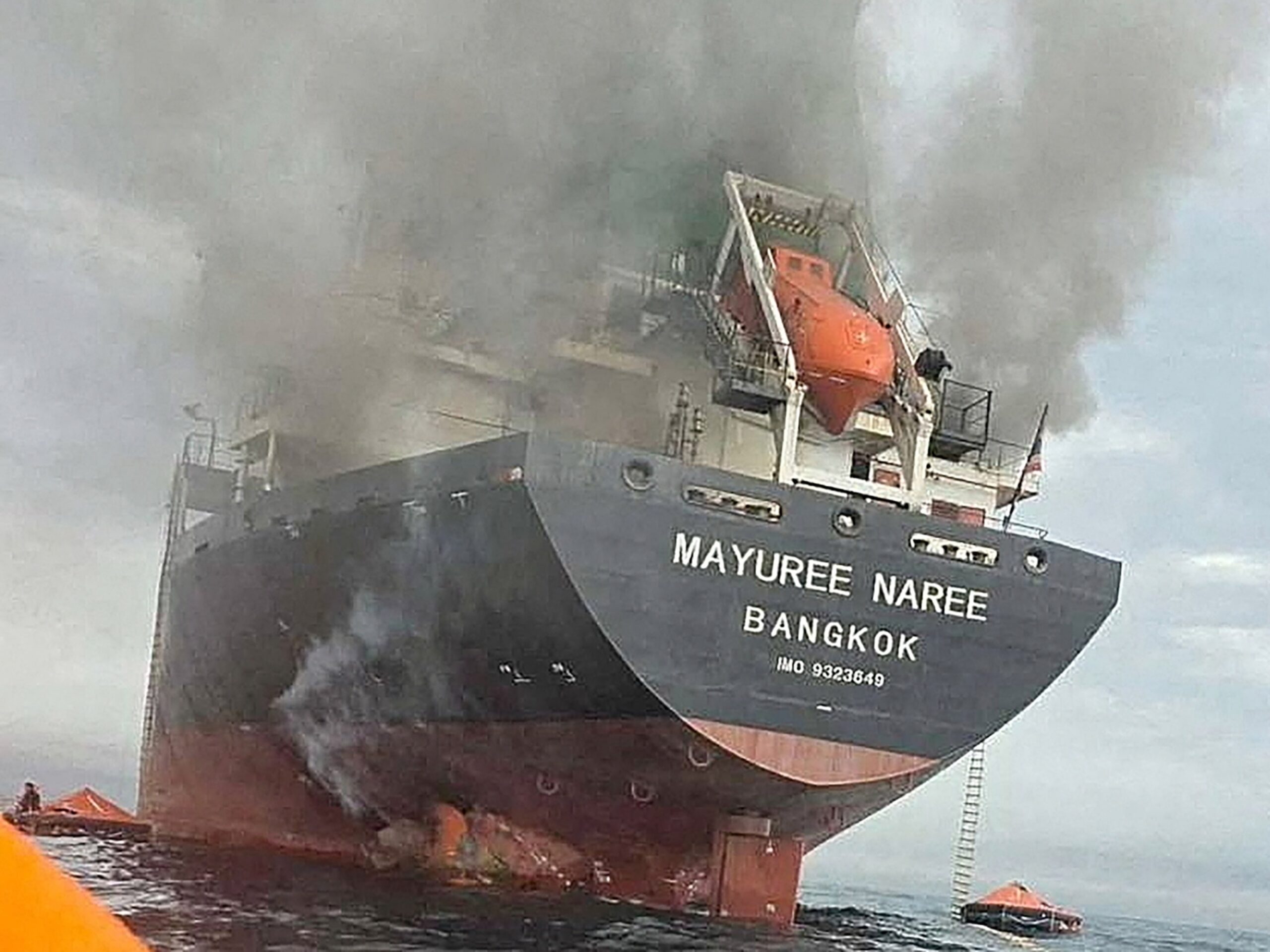
Could a Renewable Global Economy Reduce War? Experts Explain
The Role of Fossil Fuels in International Conflict
The global reliance on fossil fuels has long been a source of international tension and conflict. Experts suggest that shifting to renewable energy could significantly reduce these conflicts, as it would diminish the competition for finite resources like oil. According to an analysis published in the journal International Security, between one-quarter and one-half of interstate wars between 1973 and 2007 were linked to oil. This highlights the critical role that fossil fuels play in shaping geopolitical dynamics.
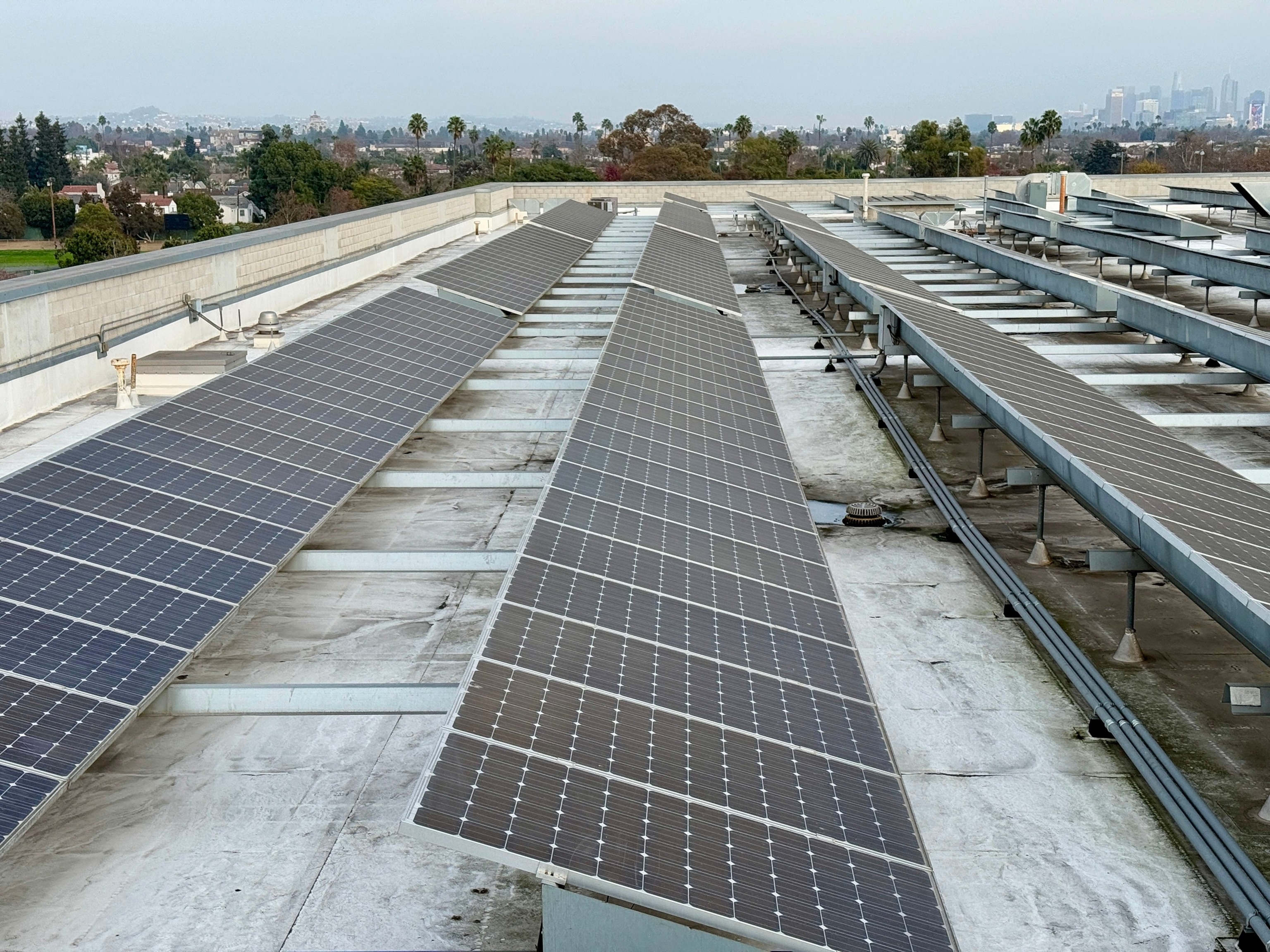
A significant portion of the world’s population—nearly 75%—lives in countries that depend on importing fossil fuels to power their societies and provide essential services. This dependency creates vulnerabilities, as seen in the recent conflict involving Iran, where the closure of the Strait of Hormuz led to a sharp increase in oil prices. The strategic importance of this waterway underscores how fossil fuel resources can become flashpoints for international disputes.
Experts emphasize that the finite nature of fossil fuels contributes to scarcity, which in turn can lead to conflict. Drew Shula, founder of Verdical Group, stated that “we will run out of them, so that creates scarcity.” This scarcity not only drives up prices but also increases the likelihood of geopolitical tensions, particularly in regions where energy is a critical economic and political asset.
The Need for a Rapid Energy Transition
The current conflict with Iran has highlighted the risks associated with fossil fuel dependence. Simon Stiell, executive secretary of the United Nations Framework Convention on Climate Change, urged nations to accelerate their transition away from fossil fuels. He argued that now is the time to break dependencies that have shackled economies and created instability.
However, transitioning to renewable energy is not without its challenges. While renewables offer a cleaner and more sustainable alternative, the resources required for their production are not limitless. For example, the minerals and metals used in technologies like lithium-ion batteries are finite and often sourced from regions with political instability. Geoff Dabelko, professor at Ohio University, pointed out that this could lead to local tensions, especially in areas like the Democratic Republic of the Congo and China.
Moreover, the global shift to renewables is not happening fast enough. Despite record growth in renewable power capacity in 2024, U.N. officials have warned that the transition is lagging. Most countries are off track to meet their 2050 net-zero goals, according to the World Resources Institute. This gap in infrastructure, funding, and political will remains a major obstacle to achieving a fully green economy.
Renewable Energy and Peace
Despite these challenges, the transition to renewable energy could bring unexpected benefits, including greater peace. Erin Sikorsky, director at the Center for Climate & Security, noted that renewable energy sources like solar, wind, geothermal, and hydropower have never sparked major international conflicts. She suggested that reducing reliance on fossil fuels could minimize the opportunities for conflict over dwindling resources.
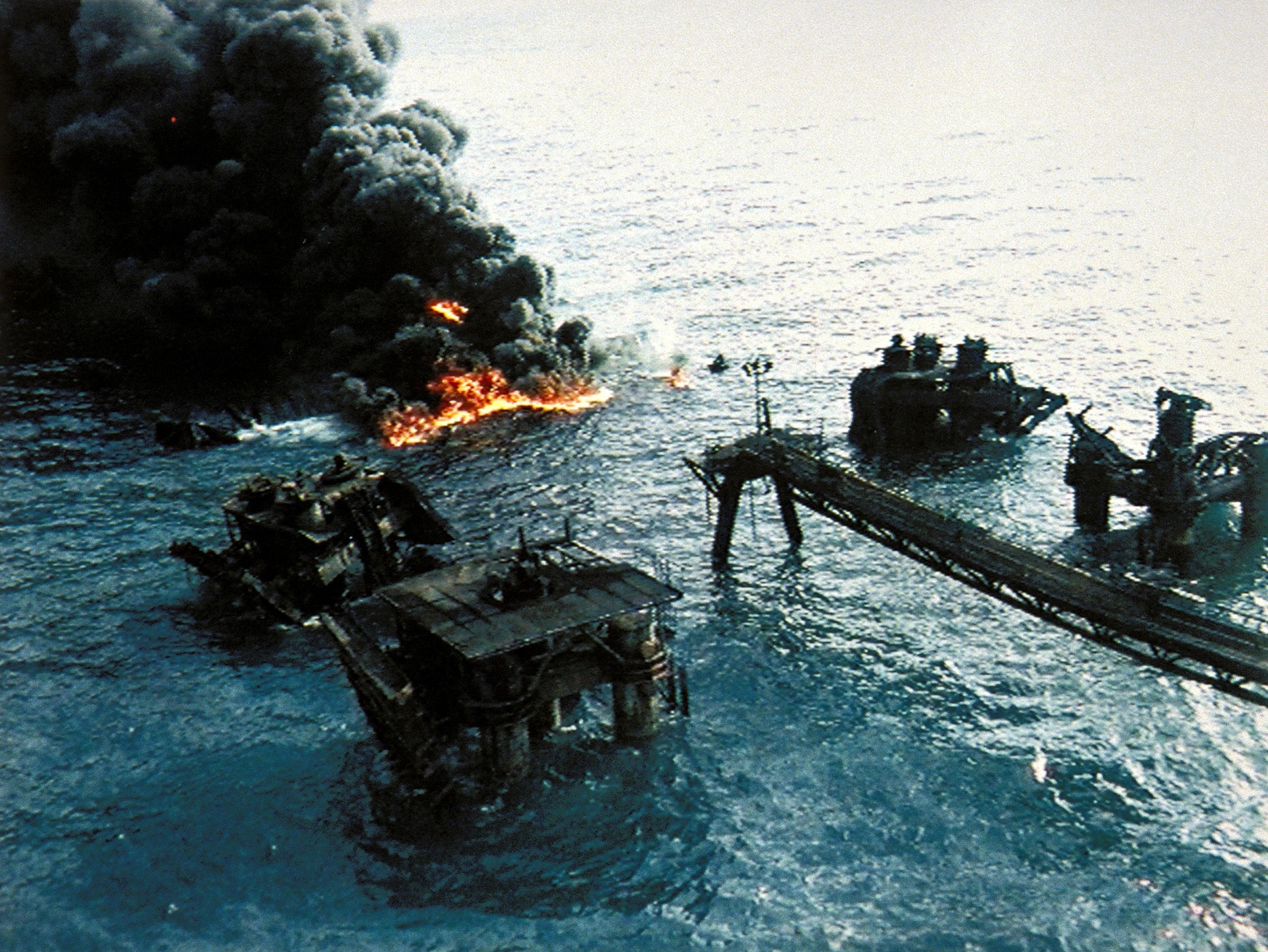
Historically, oil has been a tool of geopolitical leverage. From the U.S., Britain, and Dutch East Indies embargo on Japan in 1941 to the Gulf War in 1990, oil has played a central role in shaping global events. Even today, Russia’s use of oil to fund its military efforts in Ukraine demonstrates how fossil fuels continue to influence international relations.
In the current conflict with Iran, crude oil prices have surged due to the closure of the Strait of Hormuz. This choke point, which handles around 20% of the world’s oil supply, illustrates the vulnerability of the fossil fuel-based economy. Kate Guy, a senior fellow at the Columbia Center of Global Energy Policy, emphasized that “fossil fuels give authoritarian governments leverage.”
Challenges in the Green Transition
While the move to renewables is essential, it is not without its own set of tensions. Morgan Bazilian, professor at the Colorado School of Mines, highlighted that 80% of the world’s solar panels are manufactured in China, raising concerns about labor practices and environmental impact. Additionally, the dominance of Chinese technology in the renewable sector has raised security concerns in the context of great power competition.

Despite these challenges, experts agree that decarbonization is crucial for long-term stability. However, they also acknowledge that climate change and energy issues are not the primary concerns for many people in conflict zones. As Bazilian noted, “These wars are not about climate change and not about energy. The main concern is human life, dignity, survival.”
Ultimately, the path to a more peaceful and sustainable future lies in accelerating the transition to renewable energy while addressing the complexities and challenges that come with it.