Retired Army General Claims US Abandoned Him in Dubai as Stranded Americans Are Told to Find Their Own Way Out
Escalation of the Israel-US-Iran Conflict
The ongoing conflict between Israel and the United States against Iran has entered its eighth day, with the situation becoming increasingly volatile. On Saturday night, a series of large explosions rocked Tehran as Israel carried out additional airstrikes. This escalation marks a significant shift in regional tensions, as both sides continue to engage in military operations that have far-reaching consequences.
On February 28, under “Operation Epic Fury,” the U.S. and Israel launched what officials described as one of the most significant attacks on Iran in decades. The operation triggered a response from Iran, which retaliated by launching missile and drone attacks across the region, including targeting the United Arab Emirates. These actions have led to heightened security measures and a growing sense of uncertainty among international observers.
Impact on Travel and Regional Stability
As the conflict intensifies, many Gulf countries have taken precautionary measures by closing their airspace and canceling flights. This has left thousands of foreign travelers, including Americans, stranded in cities like Dubai and Doha. The sudden disruption of air travel has created a chaotic environment for those caught in the crossfire of geopolitical tensions.
In central Beirut, the violence spilled over into civilian areas, resulting in at least four deaths when a deadly airstrike hit a hotel. Such incidents underscore the human cost of the escalating conflict and raise concerns about the safety of civilians in the region.
Personal Accounts of Stranded Travelers
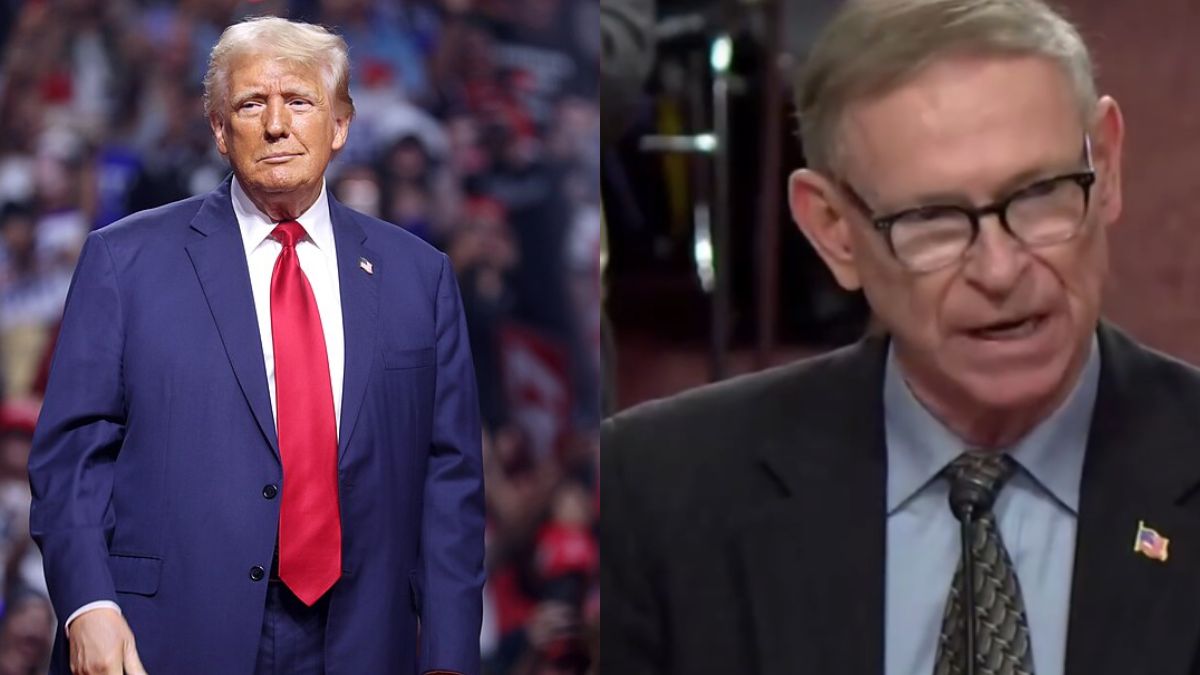
Retired U.S. Army Major General Randy Manner shared his experience during the crisis in an interview with Erin Burnett. He spoke about feeling “abandoned” by the U.S. government, as embassy staff appeared to be in “survival mode” when he reached out for assistance. Manner was in Dubai for work and found himself stranded when flights were canceled and airports abruptly shut down.
He contacted the U.S. State Department website but was told they could not assist him and were advised to “figure a way out.” While the U.K. government arranged military transport flights for British citizens, Americans had yet to receive clear evacuation options from the U.S. State Department at that time.
Manner was eventually evacuated through one of the aircraft that left early Wednesday morning after four different attempts. He described the experience as a “luck of the draw,” as passengers were stuck inside the aircraft while their cell phones were turned off. Panicked reactions were heard, with women and children crying during the tense wait.
After eight minutes, the aircraft finally took off, and Manner expressed deep gratitude for the UAE government’s efforts in managing the evacuation. He praised the professionalism and respect shown to stranded passengers and U.S. citizens desperate to return home.
Military Casualties and Political Reactions
The conflict has also resulted in casualties among U.S. forces. Previously, six U.S. soldiers were killed during the ongoing attacks. They died earlier in the week in a drone strike at a command center in Kuwait City, shortly after the U.S. and Israel launched strikes against Iran.
Donald Trump attended a dignified transfer ceremony at Dover Air Force Base in Delaware, honoring the brave hearts who sacrificed their lives for the country. Trump wore a Trump-branded “USA” golf cap during the event, which drew criticism from some who felt his attire was too casual given the gravity of the occasion. Cell phones were not allowed during the ceremony, and several senior officials, including Vice President JD Vance, Defense Secretary Pete Hegseth, and Attorney General Pam Bondi, were present.
Before traveling to the ceremony, Trump spoke at a summit of Latin American leaders in Miami, describing the fallen troops as heroes who were “coming home in a different manner than they expected.” He called the situation “very sad” and emphasized his commitment to minimizing American military deaths. Family members of the deceased soldiers were also present at the ceremony, sharing their emotions with the media.
Ongoing Concerns and Public Response
The ongoing conflict has sparked widespread concern among the public, with many calling for greater clarity and support from governments. As the situation continues to evolve, the need for coordinated international efforts becomes increasingly apparent. The experiences of individuals like Randy Manner highlight the personal toll of geopolitical conflicts and the importance of effective communication and support systems during crises.