UAE Closes Airspace Amid New Attack Reports as Iran Conflict Enters 18th Day
Escalation of Conflict in the Middle East
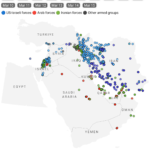
Explosions were heard over Dubai early on Tuesday as the United Arab Emirates’ military worked to intercept incoming Iranian fire. This led to a brief closure of the country’s airspace, while Israel launched new strikes, marking the 18th consecutive day of conflict.
The Israeli military announced the start of a “wide-scale wave of strikes” across Iran’s capital, Tehran, and also increased its attacks on Iran-backed Hezbollah targets in Lebanon. The new strikes came as Israel reported two incoming salvos from Iran.
Fears of a global energy crisis loomed as only a small number of ships passed through the Strait of Hormuz, a critical waterway through which a fifth of the world’s oil normally flows. Iranian strikes on commercial ships in and around the strait have significantly slowed shipping, causing oil prices to rise and prompting Washington to take action to ease the economic pressure on consumers.
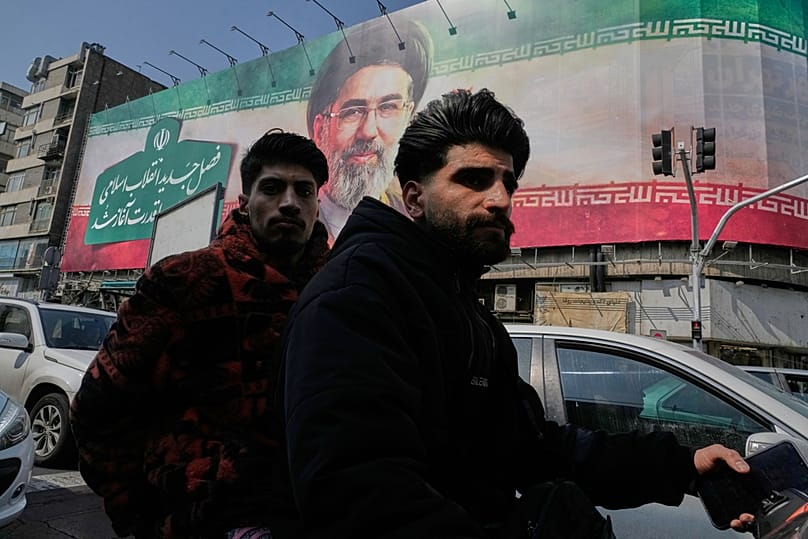
US President Donald Trump claimed he had demanded that roughly a half-dozen countries send warships to keep the chokepoint waterway open, but his appeals did not result in immediate commitments. The US president previously warned that a lack of cooperation could lead to a “very bad future” for NATO.
UAE Briefly Closes Airspace
Abu Dhabi shut down its airspace early on Tuesday after its military reported responding to missile and drone threats from Iran. The closure was later lifted, according to the state-run WAM news agency, which quoted the UAE’s General Civil Aviation Authority as stating that the situation had stabilized, allowing flights to resume.
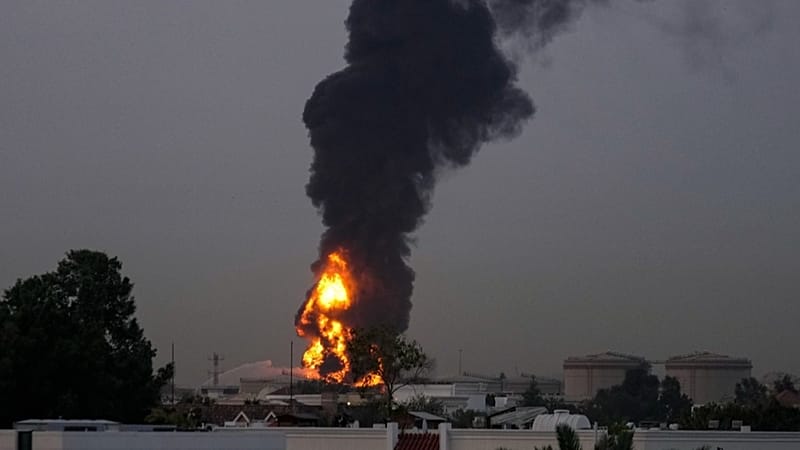
Residents of Dubai soon received missile warning alerts, with the sound of explosions echoing through the city as the military worked to intercept the incoming fire. A drone attack sparked a fire in an oil tank farm in Fujairah, a UAE emirate on the east coast near the Gulf of Oman. No injuries were reported in the blast.
Israel Increases Strikes on Lebanon and Iran
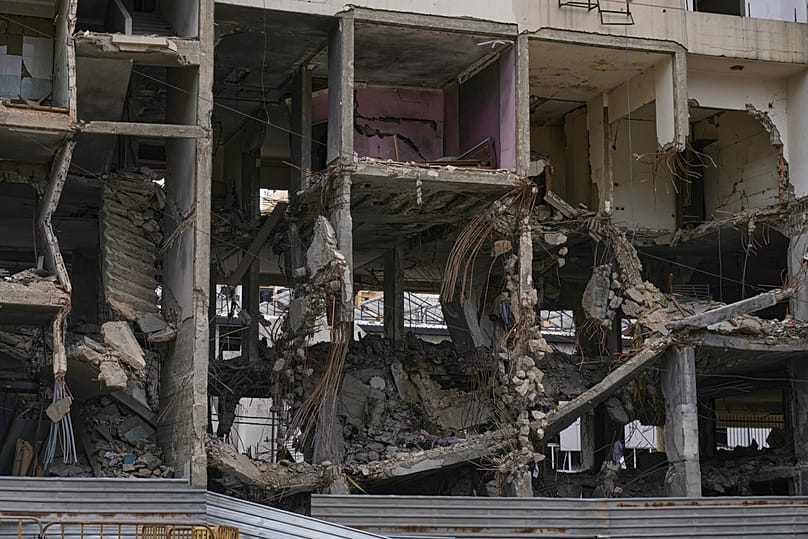
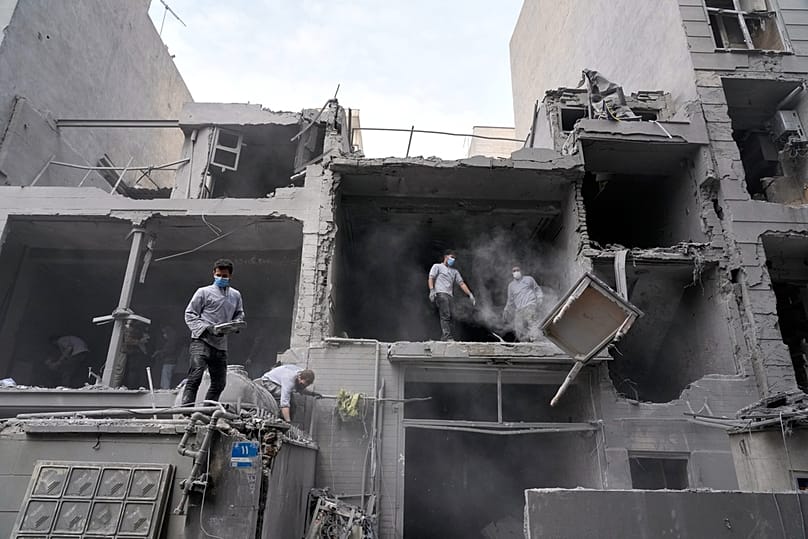
The Israeli military announced new attacks across Tehran and the Lebanese capital, Beirut, targeting what it claims are Iran and its proxies in the region. These strikes have displaced more than 1 million Lebanese people, roughly 20% of the population, according to the government, which also noted that some 850 people were killed in the attacks.
Some Israeli troops pushed into southern Lebanon on Monday, following the IDF’s announcement of “limited and targeted ground operations” into the area to “enhance the security buffer” between southern Lebanon and northern Israel.
In Jerusalem, an intercepted Iranian missile attack caused shrapnel to spread through the Old City, hitting the rooftop of the Greek Orthodox Patriarchate, located just meters from the Church of the Holy Sepulchre. Shrapnel also fell near the Western Wall and within the Al Aqsa Mosque compound.
Israel reported two Iranian salvos fired toward Tel Aviv and an area south of the Sea of Galilee, though no injuries were reported. US and Israeli attacks have so far killed more than 1,300 people in Iran, with around 500 believed to be women and children, according to government figures.
The Israeli military stated that it has struck close to 8,000 targets across Iran, knocking out more than 85% of the country’s air defenses and approximately 70% of their missile launchers. Iran’s retaliatory attacks have also resulted in at least 12 deaths in Israel, 13 US service members, and several people in Gulf Arab states.
Trump Seeks Allies to Secure the Strait of Hormuz
The virtual shutdown of the Strait of Hormuz is causing concern for the global economy, leading to higher energy prices, threatening food shortages in poor countries, and complicating efforts by central banks to lower prices for consumers.
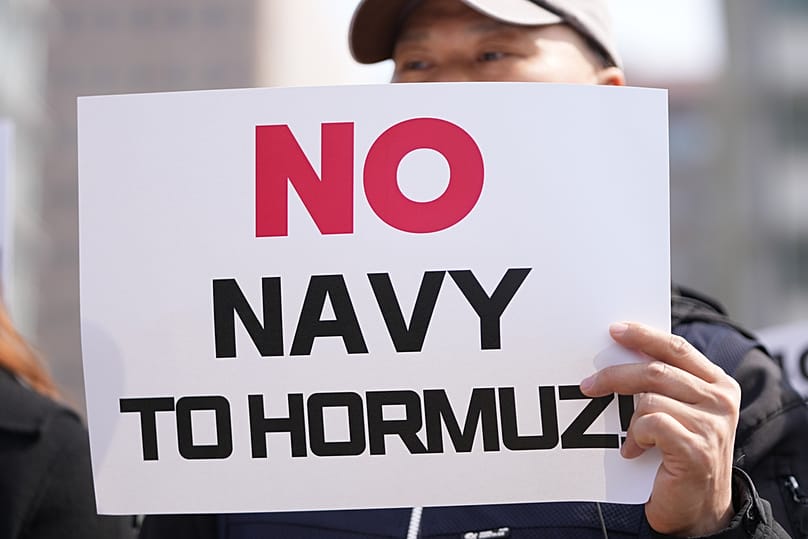
On Monday, Trump said “numerous countries” had told him they were “on the way” to help police the Strait of Hormuz. However, he suggested that some countries’ reluctance showed a lack of reciprocity in defense agreements with Washington. Europe has criticized the US and Israel for not providing clarity on their objectives in the war.
Brent crude fell to around $100 per barrel on Monday, but remained up roughly 40% since the war began. Officials have been working to ease prices. Fatih Birol, head of the International Energy Agency, stated that its 32 member countries still have additional reserves of 1.4 billion barrels on top of the record 400 million they agreed to release last week to address supply issues.
On Monday, the EU’s foreign policy chief Kaja Kallas said the bloc was exploring the deployment of additional naval missions to assist in securing vessels in and around the Strait of Hormuz.
Iran’s Foreign Minister Abbas Araghchi stated that the Strait of Hormuz remains open from Tehran’s perspective to most countries, with an exception for the United States, Israel, and their allies. He rejected allegations that Iran was seeking a negotiated end to the war, calling such claims “delusional.”