Over 30,000 Civilians Displaced in Lebanon Amid Ongoing Conflict
More than 30,000 people have been displaced in Lebanon as of March 3, 2026, following two days of relentless attacks from Israel and the United States. The conflict is primarily centered around Hezbollah, an Iranian-backed militant group based in Lebanon. This organization has long been supported by Iran through funding, weapons, and training, and it has acted as a paramilitary force aligned with former Iranian Supreme Leader Ali Khamenei. On March 1, Hezbollah launched rockets at Israel, triggering a wave of Israeli airstrikes that have continued non-stop since then.
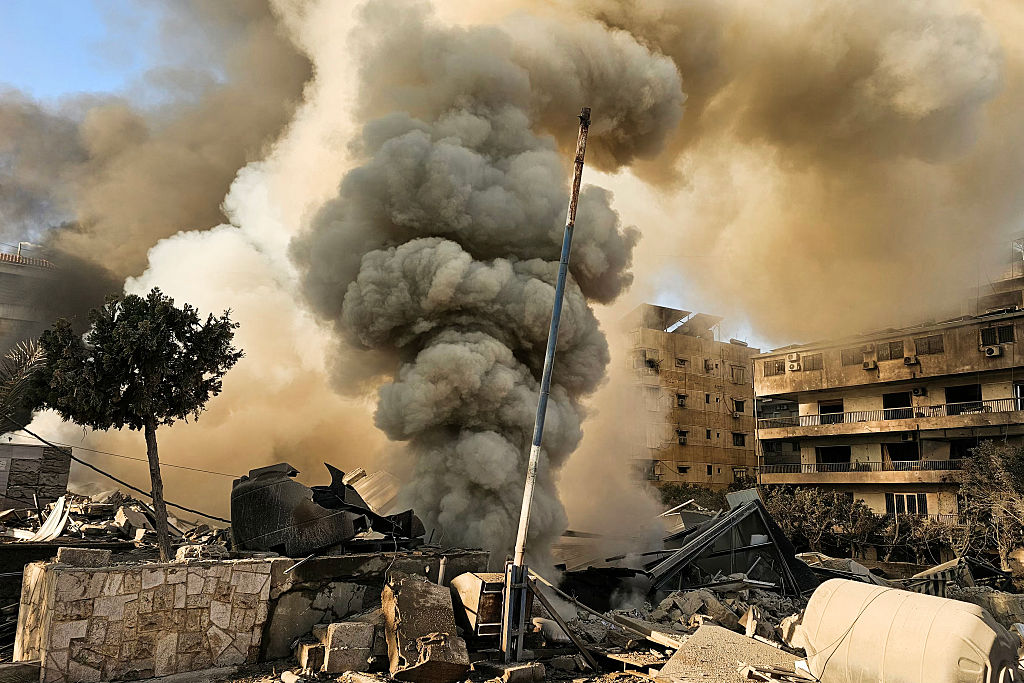
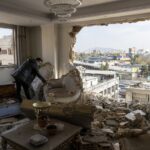
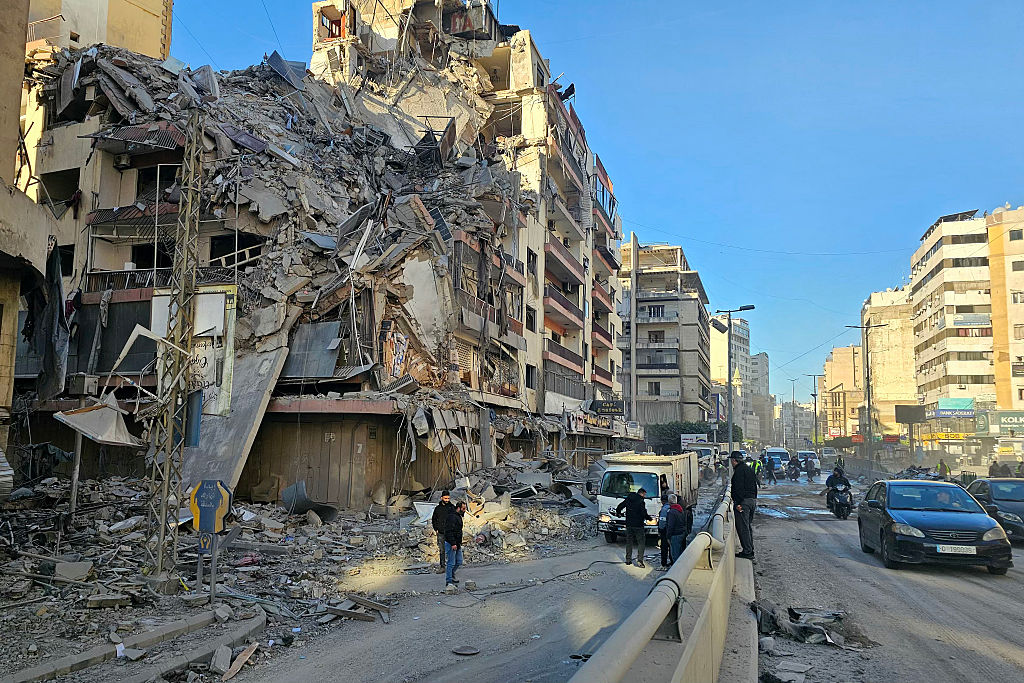
The impact on civilians has been devastating. Over 30,000 Lebanese citizens have been forced to flee their homes, seeking shelter in makeshift camps or temporary facilities. The southern regions of Lebanon, particularly those near the border with Israel, have borne the brunt of the violence. In Beirut, the Muslim-populated districts have seen heavy casualties, while more affluent Christian areas have remained relatively untouched.
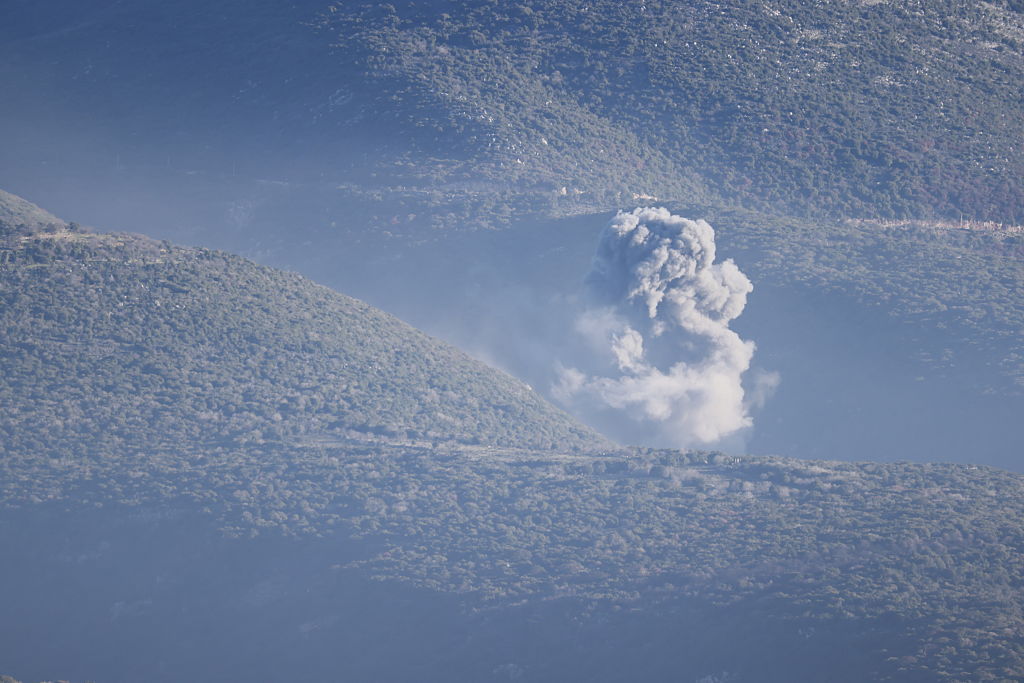
As the situation escalates, Israel has begun deploying more troops along its southern border with Lebanon. This move has drawn criticism from the United Nations, which previously called it a violation of the 2024 ceasefire agreement. Both the Lebanese government and Israel have long sought to disarm Hezbollah, but the group operates outside of state control and remains heavily reliant on Iranian support.
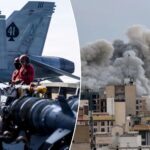
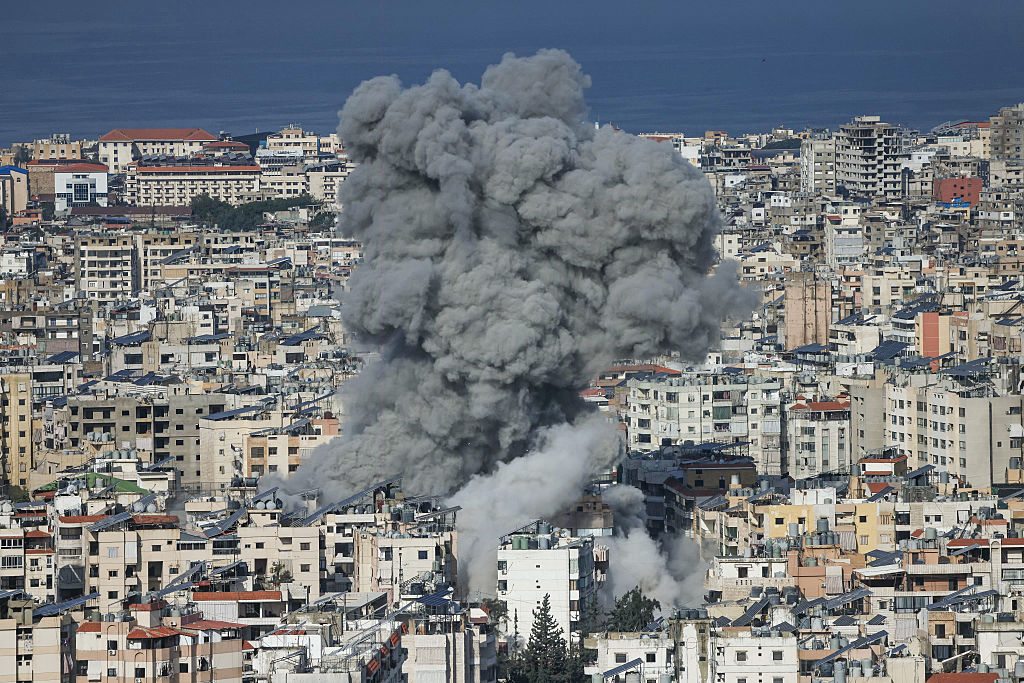
In just 48 hours, Israeli airstrikes have claimed the lives of over 90 people in Lebanon. Most of the casualties have occurred in the southern districts of Beirut, where Israel claims it is targeting Hezbollah commanders. The military actions have also led to widespread evacuations, with more than 80 villages in Southern Lebanon urging residents to leave. Israel has hinted at preparing for an “open war” against Hezbollah, signaling a shift in its strategy.
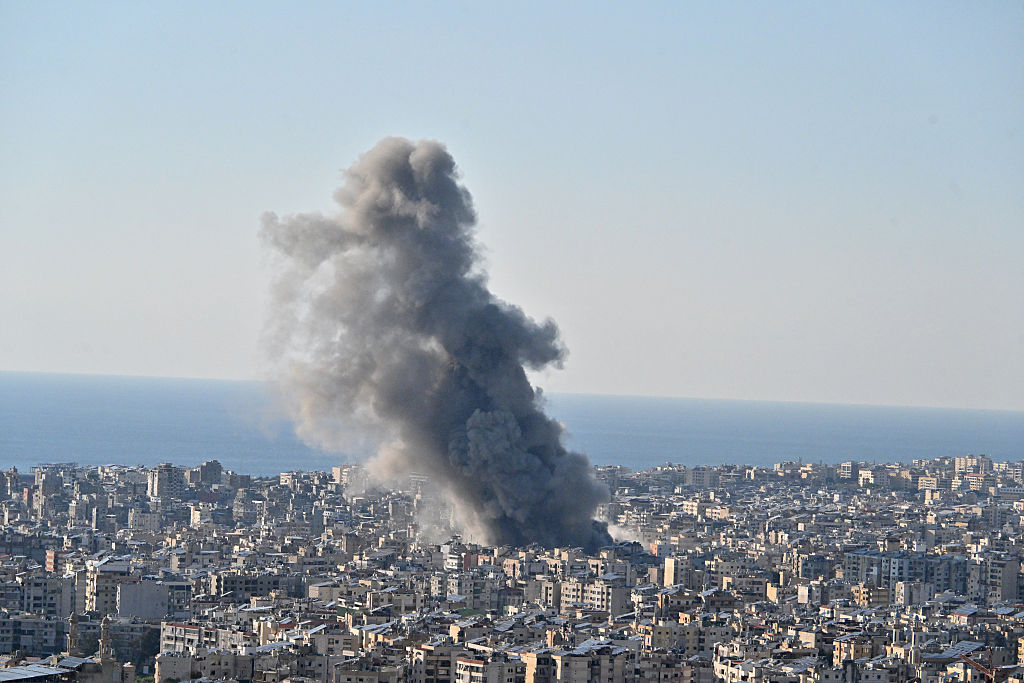
The United Nations refugee agency reported that over 30,000 Lebanese civilians had gathered in collective shelters across the country by March 3. Thousands more were forced to sleep in their cars due to the lack of safe housing. The Lebanese government confirmed that 52 people were killed on March 2 and 40 on March 3, with over 240 injured. Israeli troops have also been spotted moving into Lebanon, with reports indicating they are conducting small-scale incursions before returning to Israel.
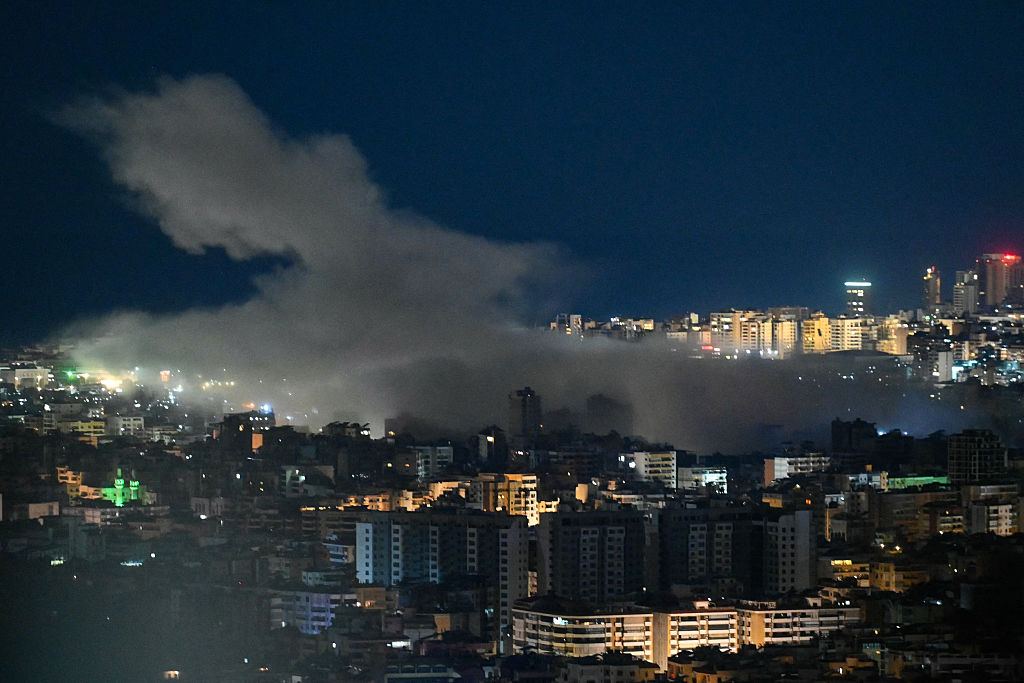
Israeli spokesperson Avichay Adraee stated that these troop movements are part of Israel’s “forward defence” strategy, which involves preemptive military action to secure borders. The Lebanese military confirmed that Israeli forces have entered the country, though they remain anonymous about the details. UNIFIL, the UN peacekeeping force in southern Lebanon, has also verified the presence of Israeli troops. Meanwhile, the Lebanese health ministry reported that 397 people were killed after the ceasefire took effect, prior to February 28.
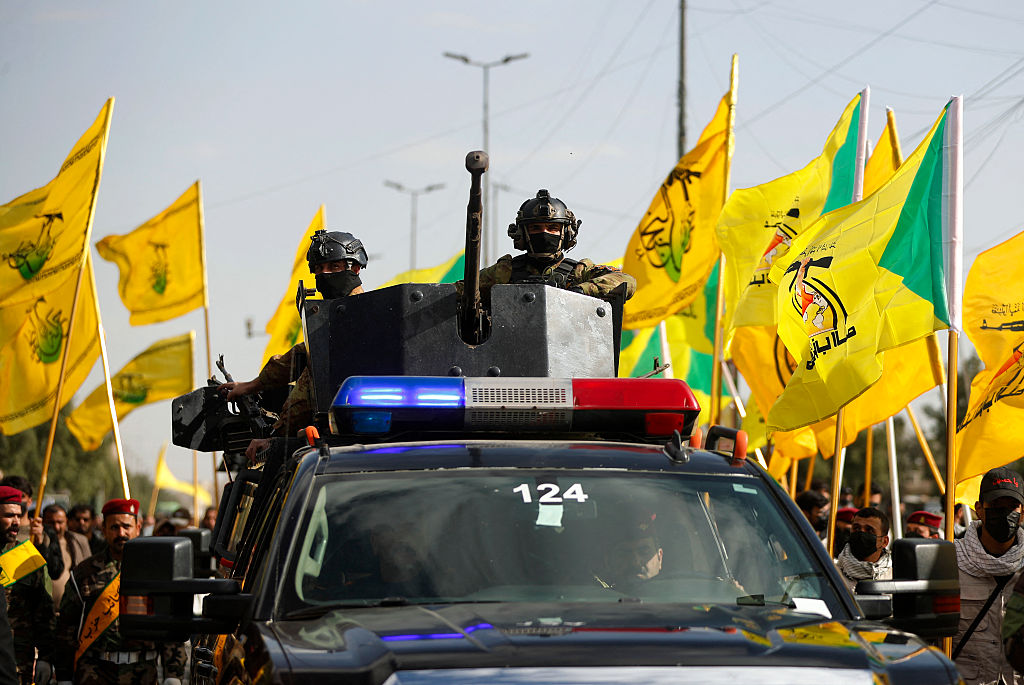
Hezbollah has declared that it has no choice but to confront Israel, labeling the Netanyahu government as a “Zionist enemy.” In response to the initial rocket attacks, Israel acted swiftly, bombing Hezbollah-controlled media outlets and striking what it claims is a command center in Beirut’s southern suburbs. Lebanese President Joseph Aoun has informed foreign ambassadors that Hezbollah has been launching rockets from areas north of the Litani River. Since the 2024 ceasefire agreement, Lebanon has made efforts to neutralize the threat posed by Hezbollah, but the group continues to operate independently and with strong external support.