IDF Launches Ground Offensive to Expand Southern Lebanon Buffer Against Hezbollah
Israel Launches Targeted Ground Operation in Southern Lebanon
The Israel Defense Forces (IDF) announced on Monday that it had initiated a “targeted ground operation against key targets” in southern Lebanon. This move marks an escalation in military activity as Israeli forces push deeper into the region, expanding a buffer zone to counter threats from the Hezbollah militant group. The operation comes amid heightened tensions following recent attacks by Hezbollah on Israeli territory, which have been linked to the ongoing conflict between the US, Israel, and Iran.
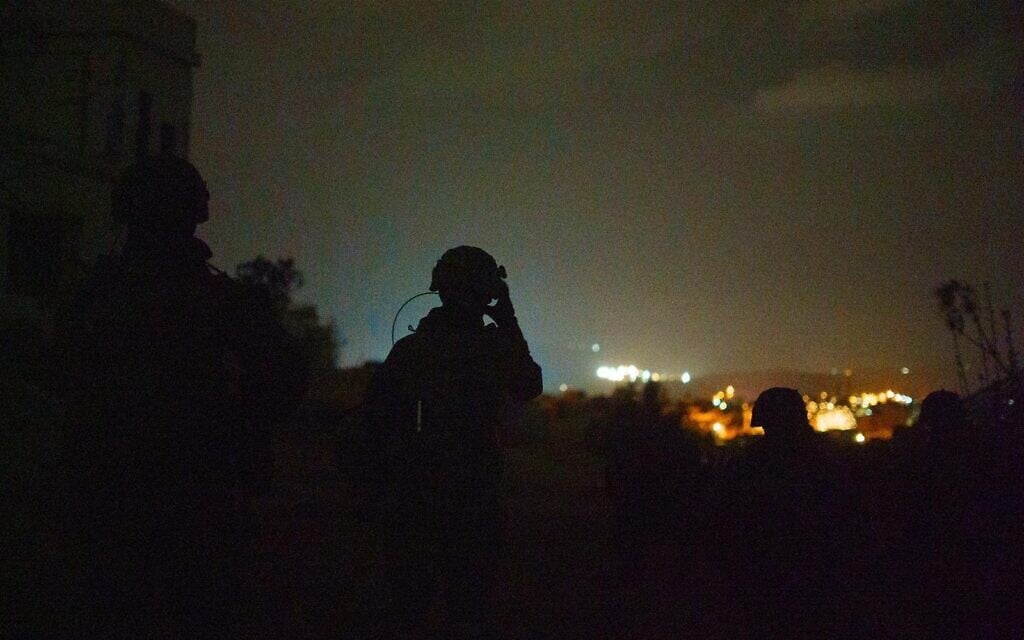
The 91st “Galilee” Regional Division launched a raid late Saturday in the eastern sector of southern Lebanon. During this operation, troops encountered and neutralized several Hezbollah operatives, according to military reports. The IDF stated that the mission was aimed at expanding the “forward defense area,” which is part of a broader strategy to establish a more secure perimeter along the border.
“This operation is part of the effort to establish forward defense, including the destruction of terror infrastructure and the elimination of terrorists operating in the area, to remove threats and create an additional layer of security for residents of the north,” the military explained.
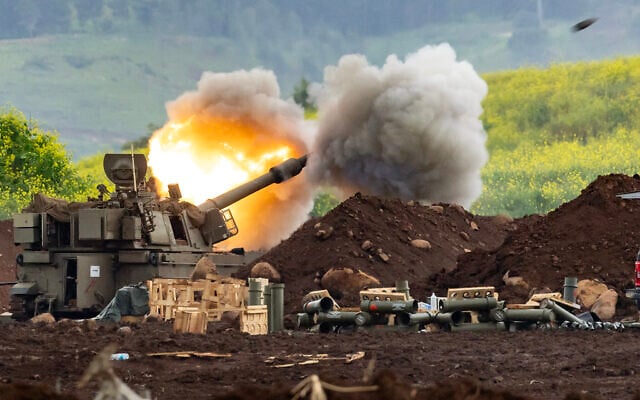
Before entering the region, the IDF conducted extensive airstrikes and artillery shelling to neutralize potential threats. The 146th Reserve Division remains deployed in the western sector of southern Lebanon, while the 36th Division continues its operations in the eastern sector.
The IDF has been preparing to deploy additional forces in southern Lebanon, with plans to further expand the buffer zone to push back the threat posed by Hezbollah. Multiple reports suggest that Israel is considering a large-scale ground operation aimed at dismantling Hezbollah’s presence in the region. Defense Minister Israel Katz has even hinted at the possibility of seizing territory in southern Lebanon.
In addition, there have been indications of potential direct talks between Israel and the Lebanese government. However, Foreign Minister Gideon Sa’ar has denied these reports, despite claims from Israeli officials.
Since March 2, when Hezbollah began attacking Israel in response to the killing of Iran’s supreme leader Ali Khamenei, the group has launched approximately 100 rockets per day, along with over 100 drones during the entire period, according to the IDF. The military has noted that most of these attacks originate from deeper within southern Lebanon, rather than near the border.
These attacks follow a period of relative calm after a truce agreement in November 2024 largely ended a previous round of fighting. That conflict began when Hezbollah attacked Israel on October 8, 2023.
Recent Escalations and Military Actions
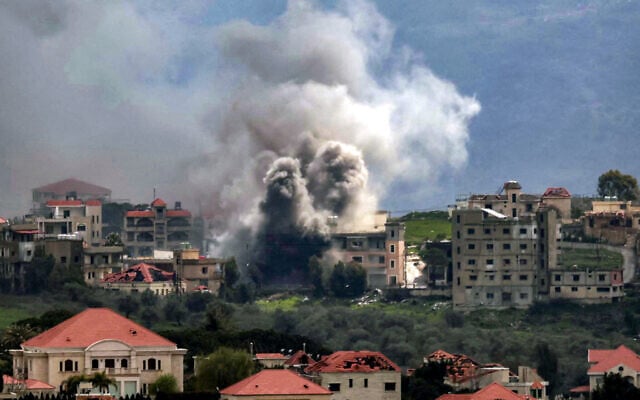
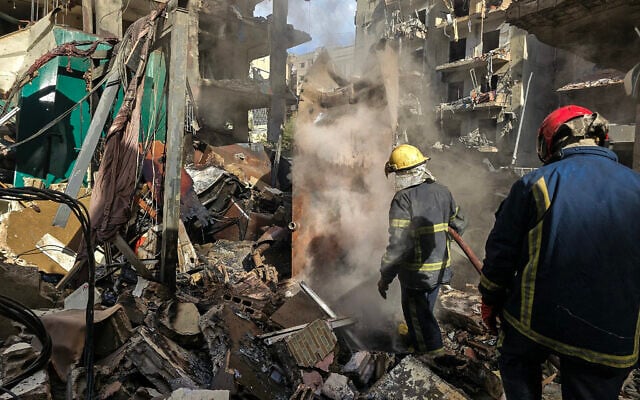
Overnight Sunday-Monday, the IDF reported launching a new wave of airstrikes against Hezbollah infrastructure in Beirut. No specific details were provided about the targets or outcomes of these strikes.
Earlier, the IDF issued repeated evacuation warnings for several neighborhoods in Beirut’s southern suburbs, an area known as a stronghold for Hezbollah.
During the night and early Monday morning, sirens were heard in the Galilee Panhandle due to rocket fire from the militant group. Fortunately, no injuries were reported.
This latest escalation highlights the ongoing volatility in the region and the continued efforts by the IDF to counter threats from Hezbollah. As tensions persist, the situation in southern Lebanon remains a critical point of concern for regional stability.