Rising Global Energy Fears as Iran Strangles Shipping and Targets Dubai Airport
Escalation of Conflict and Global Implications
The ongoing conflict in the Middle East has intensified, raising concerns about a potential global energy crisis. The war has seen increased U.S.-Israeli strikes on the Iranian capital, alongside Israel’s bombardment of Lebanon. These actions have further destabilized an already volatile region.
Since the United States and Israel launched attacks on Iran over two weeks ago, Tehran has responded with frequent drone and missile attacks on Israel, American military bases, and Gulf Arab countries’ energy infrastructure. This cycle of violence has disrupted critical shipping routes, particularly the Strait of Hormuz, which is responsible for transporting a fifth of the world’s oil.
The closure of this strategic waterway has led to a sharp rise in oil prices, with Brent crude remaining above $100 per barrel. Since the initial attacks on February 28, the price has surged nearly 45%, reaching as high as $120 during the conflict. Despite these challenges, the U.S. has not yet secured commitments from other nations to assist in maintaining open shipping lanes through the strait.
Impact on Dubai and Regional Stability
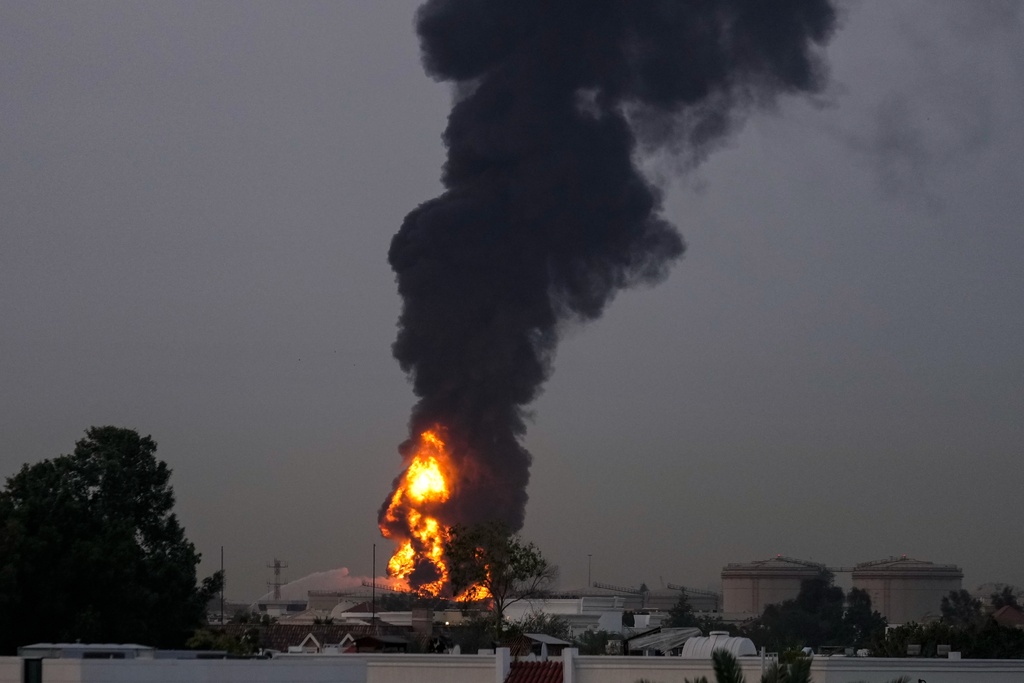
A recent Iranian drone strike temporarily shut down Dubai International Airport, one of the world’s busiest hubs for international travel. The incident caused a large fire near a fuel tank, prompting the airport to suspend flights. Fortunately, no injuries were reported, and operations resumed shortly after.
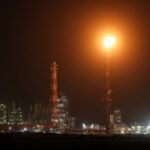
Later that day, an Iranian missile struck a vehicle in the UAE capital, resulting in one fatality. Additionally, a drone attack sparked a fire at an oil facility in Fujairah, highlighting the growing threat to regional stability.
In response to the escalating tensions, Saudi Arabia intercepted 35 Iranian drones targeting its eastern region, home to major oil installations. While most of these threats were neutralized by air defenses, some debris and drones managed to land within the country. Israel also reported launching missiles toward its territory, adding to the mounting pressure on the region.
Political Responses and International Concerns
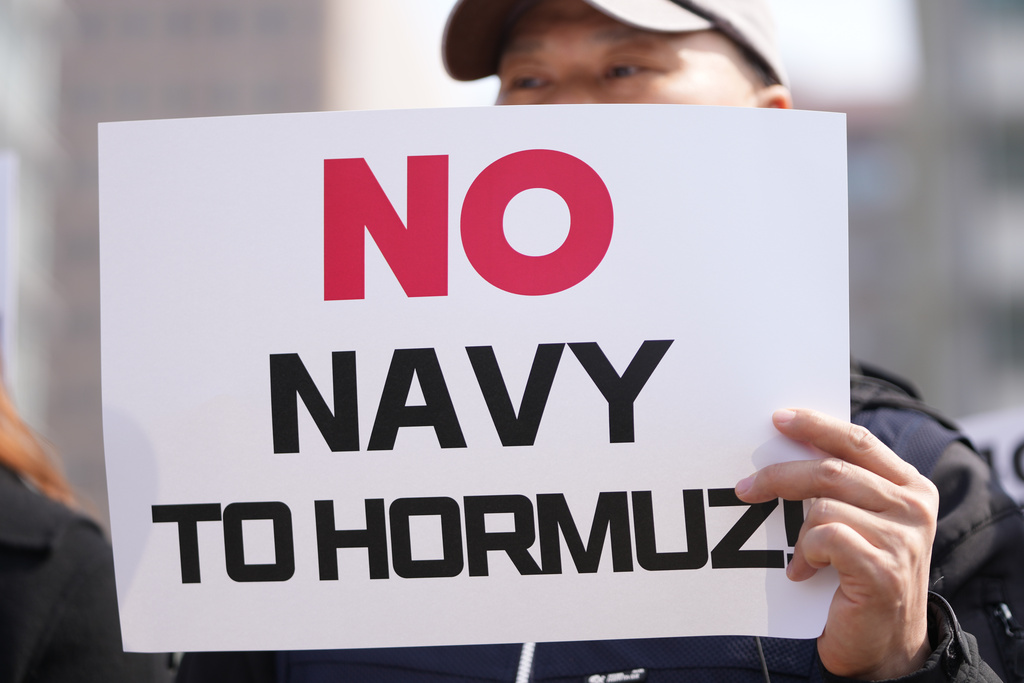
U.S. President Donald Trump has called on seven countries to send warships to ensure the safety of the Strait of Hormuz, but his appeals have not yet yielded any commitments. He warned that he would “remember” which allies do not support these efforts, indicating a potential shift in diplomatic relations.
Ahead of a meeting in Brussels, the European Union’s foreign policy chief, Kaja Kallas, mentioned the possibility of extending a naval mission to cover the Strait of Hormuz. However, there are concerns about the feasibility of such an operation without a negotiated solution to the conflict.
Germany’s Foreign Minister, Johann Wadephul, expressed skepticism about EU involvement, stating that security for the strait can only be achieved through a negotiated settlement. Meanwhile, Japan has taken steps to address rising oil prices by releasing its reserves and discussing measures to protect Japanese ships.
Escalation in Lebanon and Iran
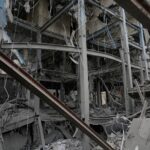
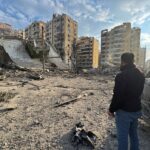
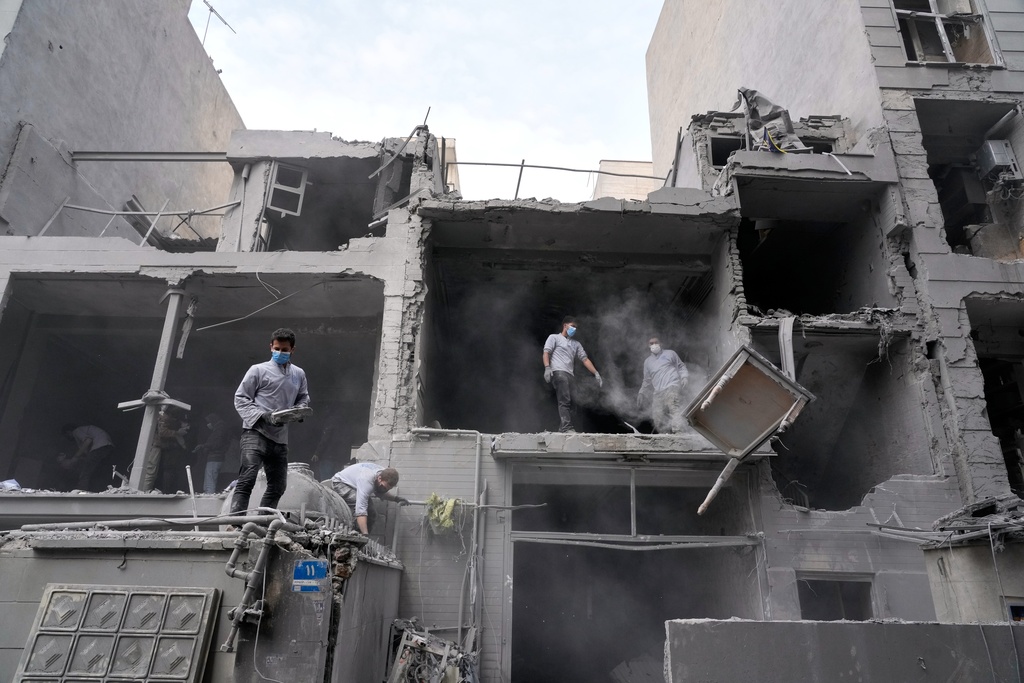
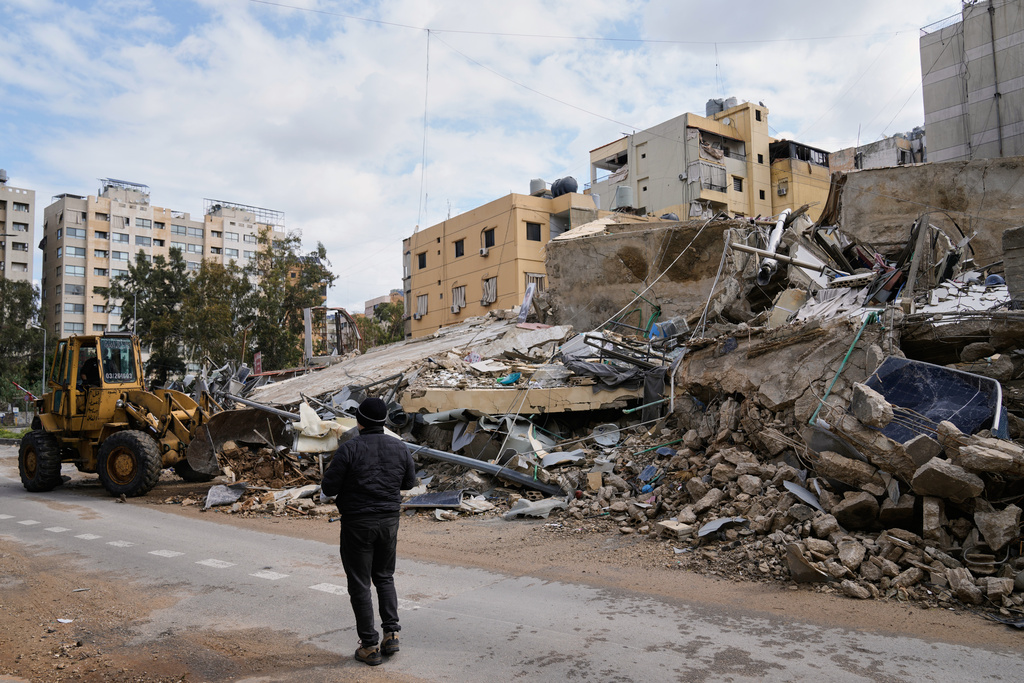
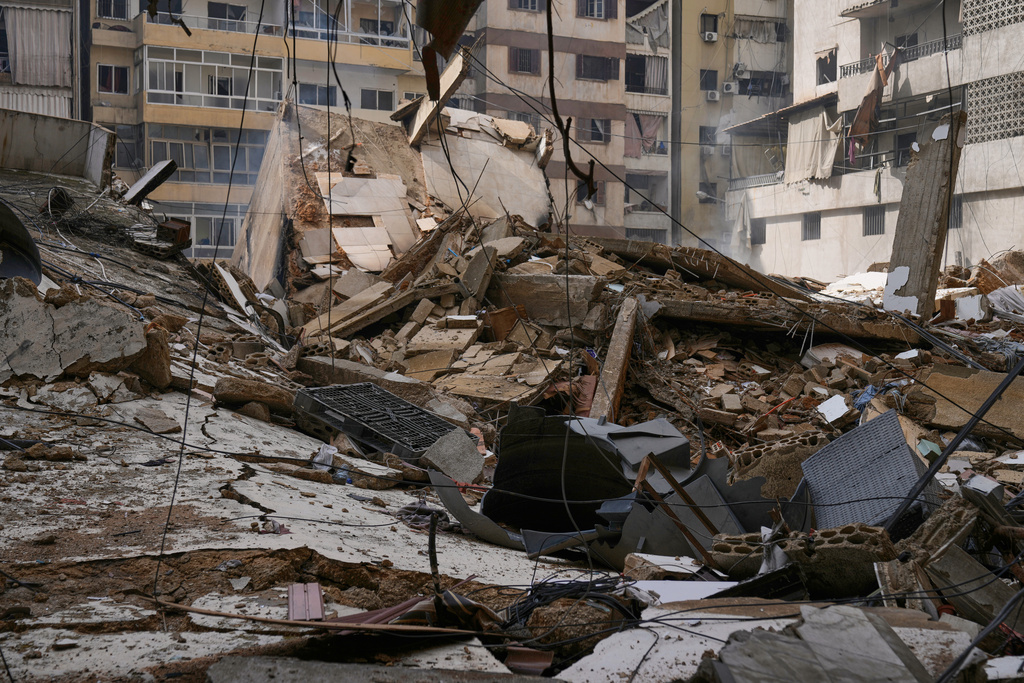
Massive explosions were heard in Beirut as Israel launched new attacks on the Lebanese capital, targeting infrastructure linked to the Iran-backed Hezbollah militia. Evacuation orders have been issued for many neighborhoods in Beirut and southern Lebanon, displacing over 800,000 people.
In southern Lebanon, one person was killed in an Israeli airstrike, followed by the deaths of two paramedics who arrived at the scene. At least 850 people have been killed by Israeli strikes so far.
Meanwhile, Israel announced new attacks on Tehran, with explosions reported in the Iranian capital. According to the Iranian Red Crescent, more than 1,300 people have been killed in Iran, while Israel has carried out approximately 7,600 strikes, destroying 85% of Iran’s air defenses and 70% of its missile launchers.
Ongoing Violence and Human Toll
The conflict has resulted in significant casualties on both sides. In Israel, 12 people have been killed by Iranian missile fire, and at least 13 U.S. military members have lost their lives. The human toll continues to mount, with devastating consequences for civilians and military personnel alike.
As the situation remains volatile, the international community watches closely, hoping for a resolution that can prevent further escalation and restore stability to the region.