17 Days into the US and Israel’s War with Iran
US President Trump’s Efforts to Secure the Strait of Hormuz
US President Donald Trump is making a concerted effort to gain international support for securing the Strait of Hormuz, a crucial waterway that has seen a significant disruption in oil transport since the conflict between the US and Israel escalated with Iran. Trump has mentioned receiving “some positive response” from various countries but noted that some are reluctant to get involved. As of now, no country has officially committed to sending warships to assist.
The ongoing conflict has led to rising oil prices, while the situation on the ground continues to destabilize the Middle East. Here’s a detailed look at the current developments.
Key Headlines
War Timeline
Trump stated that the US and Israel share largely aligned military goals, although their objectives may not be entirely identical. According to administration officials, they anticipate the conflict with Iran to conclude within weeks or possibly sooner. Meanwhile, Israel revealed plans to strike “thousands” of targets over the next three weeks, with potential for more operations to follow.
Strait of Hormuz
Trump attempted to ease concerns about the near-shutdown of the Strait of Hormuz by suggesting that countries such as China, France, Japan, South Korea, and the UK might send warships to help secure the vital shipping lane. He warned that NATO could face a “very bad” future if its allies do not provide assistance. So far, Australia and Japan have indicated they are not planning to send any ships. The United Kingdom mentioned it is considering options, while China called for an immediate end to hostilities. Iran’s foreign minister expressed openness to discussions with countries seeking safe access to the strait.
Threat to Ships
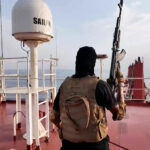
Despite no reported incidents in the past three days, the Strait of Hormuz remains under “critical” threat, according to the UK’s maritime agency. At least 20 vessels have been attacked around the Persian Gulf, the Strait of Hormuz, and the Gulf of Oman since the conflict began.
Oil Prices Spike
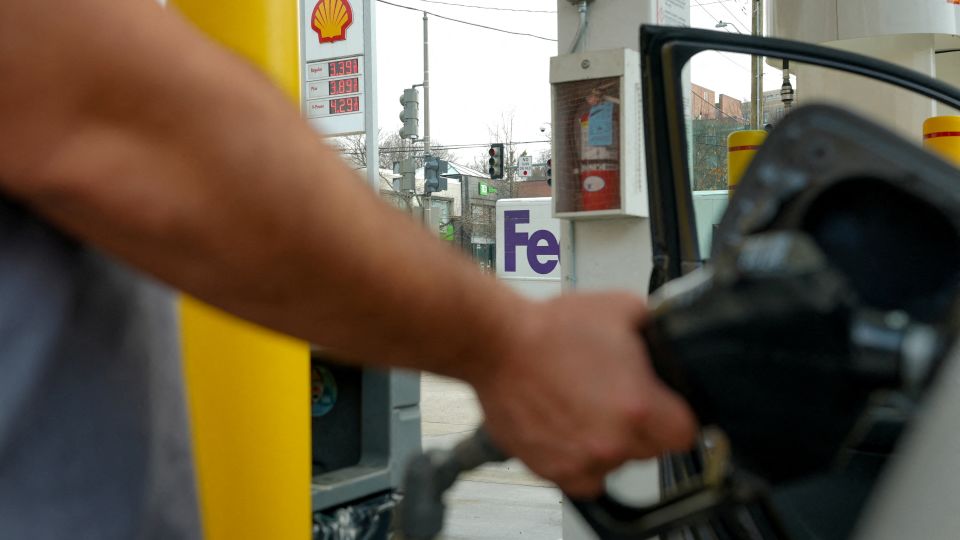
The price of oil reached its highest level since July 2022 on Sunday evening. Brent crude climbed to approximately $106.12 per barrel, while US oil rose to $101.53.
What’s Happening on the Ground?
Strikes Continue
Israel and Iran continued exchanging attacks on Sunday. Israel claimed to have targeted Iran’s ballistic missile capabilities and air defense systems, stating it had struck over 200 targets in the past day. Iran reported firing around 700 missiles and 3,600 drones at US and Israeli targets since the war began.
Regional Attacks
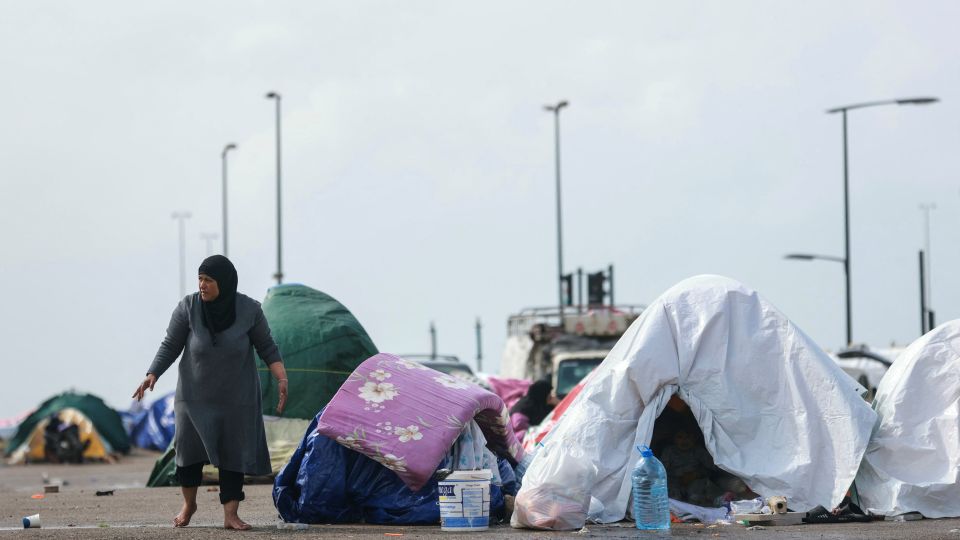
A fuel tank caught fire near Dubai International Airport due to a “drone-related incident,” leading to temporary flight suspensions. In Iraq, five individuals were injured when rockets hit areas around Baghdad International Airport, including a facility used by the US Embassy. Additionally, United Nations peacekeepers in Lebanon were fired upon three separate times on Sunday, likely by non-state armed groups, according to the UN’s peacekeeping mission.
Internet Blackout
Iran’s prolonged internet shutdown worsened when the remaining connectivity dropped abruptly on Sunday, according to an expert who spoke to Jendela Magazine.
Death Toll Rises
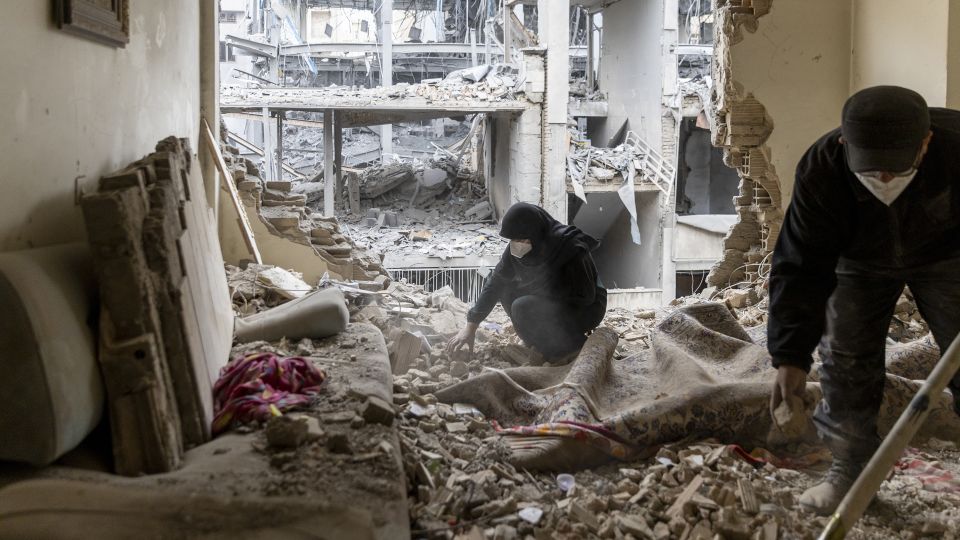
More than 2,200 people across the Middle East have died in the conflict, according to a Jendela Magazine tally of figures reported by various authorities. Iran’s ambassador to the UN stated that over 1,300 people have died in Iran, while at least 850 have been killed in Lebanon, with several dozen more fatalities in other neighboring countries.