Oil Prices Stay Volatile Amid Rising Hormuz Tensions
Volatility in Oil Markets Amid Regional Tensions
Oil markets experienced continued volatility during early Asian trading on Monday as geopolitical tensions in the Middle East escalated. The situation has prompted efforts by various nations to address concerns over the security of shipping through the Strait of Hormuz, a critical passage for global oil supplies.
At the time of writing, West Texas Intermediate (WTI) crude fell 0.53% to $98.19 per barrel, following an initial rise. Meanwhile, Brent crude continued its upward trend, increasing by 0.41% to reach $103.60 per barrel. This fluctuation highlights the uncertainty surrounding the region’s stability and its impact on energy prices.
Escalation of Conflict in the Middle East
The recent increase in tension began on Friday evening when the United States conducted airstrikes targeting military assets on Kharg Island, a key hub for Iran’s oil exports. In response, Iran warned the United Arab Emirates (UAE) to evacuate three major ports, alleging that these facilities had been used by the U.S. to conduct attacks.
On Saturday, a drone attack caused a fire at the UAE’s Port of Fujairah, temporarily halting oil loadings. However, operations resumed later, with reports indicating that the fire was caused by debris after the drone was successfully intercepted. That same day, a missile struck the U.S. embassy compound in Baghdad, prompting the U.S. government to issue an updated security alert advising citizens to leave the country.
Continued Attacks and Regional Responses
By Sunday, additional attacks were reported across the Middle East. These included strikes on the Ali Al Salem base in Kuwait, Baghdad International Airport, and Dubai International Airport. The UAE claimed it was targeted by four ballistic missiles and six drones from Iran, while Saudi Arabia reported intercepting 37 drones within a short period in its eastern region, which houses significant oil infrastructure.
In response to the growing supply risks, Japan initiated the release of oil reserves on Monday. The plan involves releasing 15 days of private-sector reserves followed by one month of state-held stocks, totaling approximately 80 million barrels. This move reflects the seriousness with which Asian importers are viewing the potential disruption of oil supplies through the Strait of Hormuz.
U.S. and International Reactions
The U.S. government maintains that the current crisis is temporary. U.S. Energy Secretary Chris Wright stated on Sunday that the conflict would “certainly come to an end in the next few weeks” and that energy prices would subsequently ease.
President Donald Trump mentioned ongoing discussions with several countries to form a coalition aimed at securing and monitoring the Strait of Hormuz. Although he did not specify which nations would be involved, he emphasized that the operation would commence immediately upon the formation of such a coalition.
Saudi Crown Prince Mohammed bin Salman and UAE President Sheikh Mohammed bin Zayed condemned the Iranian attacks on Gulf states during a phone call, labeling them a serious escalation that threatens regional security and stability.
Market Outlook and Key Factors
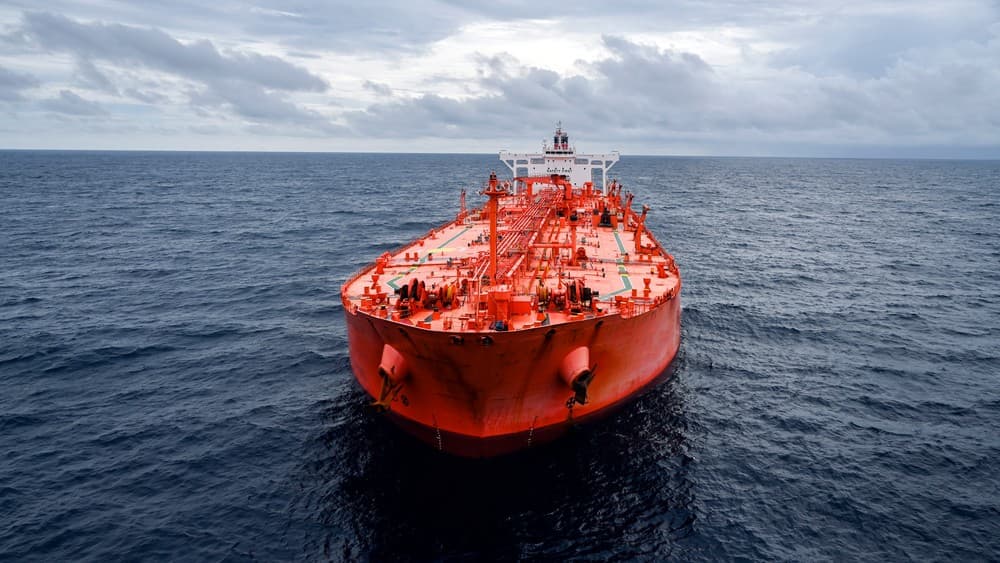
For oil traders, the focus will remain on tanker movements through the Strait of Hormuz and any further attacks on infrastructure or production. While reserve releases and official statements may influence prices in the short term, the long-term trajectory of oil prices will ultimately depend on supply fundamentals and logistical factors.
By Josh Owens for Oilprice.com
More Top Reads From Oilprice.com
Trump Bombs Iran’s Kharg Island and Threatens to Hit Oil Exports
Goldman Sachs Hikes Brent Oil Forecast to Over $100 for March
Banks Hike Oil Price Forecasts, and Some See $150 Crude
Oilprice Intelligence brings you the signals before they become front-page news. This is the same expert analysis read by veteran traders and political advisors. Get it free, twice a week, and you’ll always know why the market is moving before everyone else.
You get the geopolitical intelligence, the hidden inventory data, and the market whispers that move billions – and we’ll send you $389 in premium energy intelligence, on us, just for subscribing. Join 400,000+ readers today. Get access immediately by clicking here.