How Planes Stay Aloft in Times of War
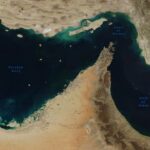
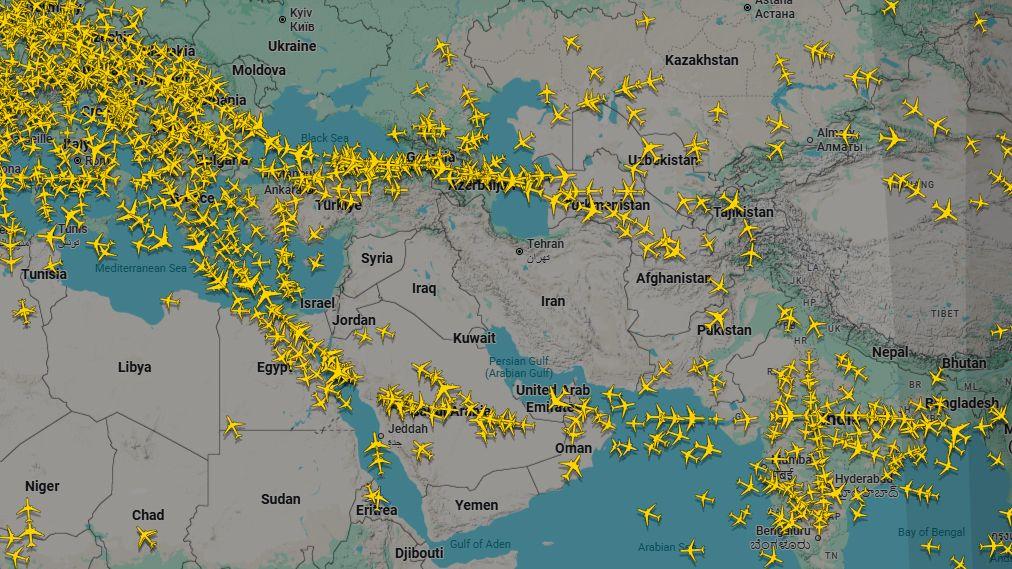
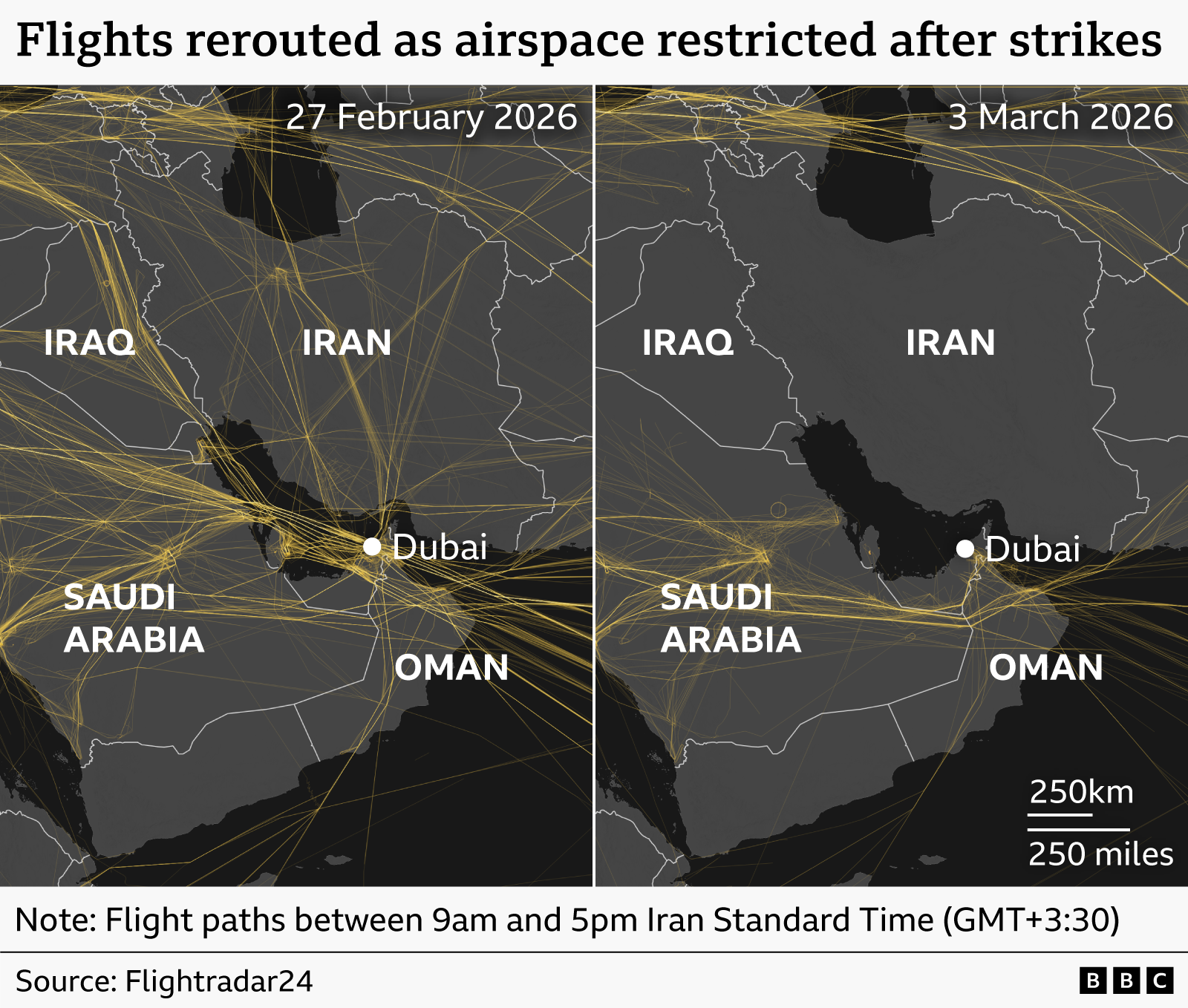
For the past two weeks, as drones and missiles have flown through the skies above Iran and the Gulf, air traffic controllers have been guiding passenger jets through safer but more congested airspace on the edge of the conflict. A quick look at a flight tracker map reveals just how busy Egypt and Georgia have become.
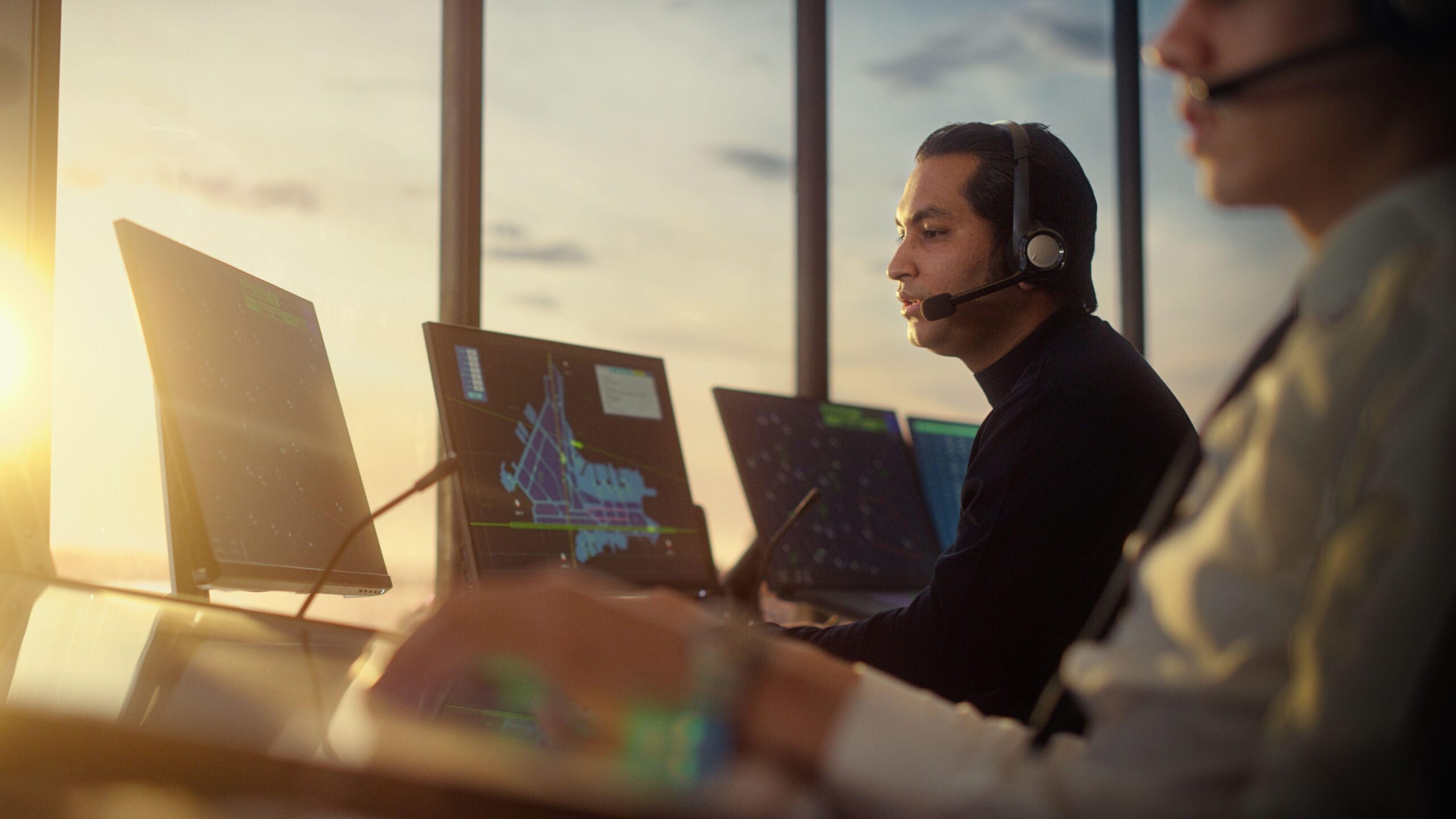
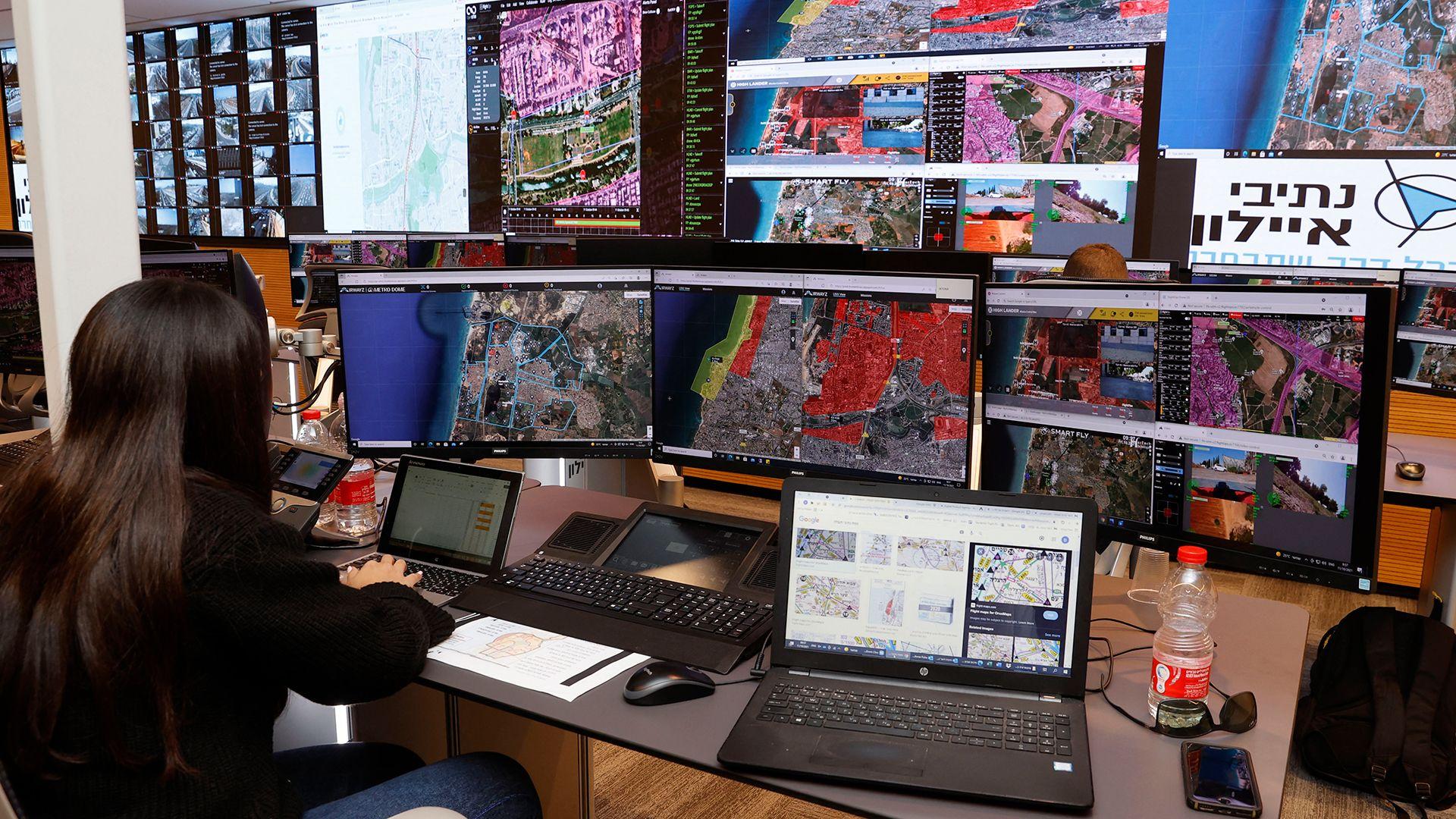
Air traffic controllers work side by side, each managing a different section of the map, coordinating with colleagues to determine which planes are entering and leaving their airspace. On an average day, a single controller might manage six aircraft in their area at a time. However, during times of war, this number can double.
“The brain can only maintain that level of concentration for 20-30 minutes,” says retired air traffic controller Brian Roche. He spent 18 years in the job, first with the Royal Air Force in various countries, and later handling emergency distress calls for passenger jets in London.
During busy periods, more controllers are brought in to manage the increased volume of aircraft in specific areas, and shifts are rotated more frequently to prevent burnout. Normally, shifts last 45-60 minutes with 20-30 minutes off, according to Roche. But during conflicts, controllers may only work for 20 minutes before taking a break of the same duration.
“The controllers at the moment are working unbelievable shifts, dealing with unbelievable amounts of traffic,” he says.
The downing of Malaysia Airlines Flight MH17 in 2014 by a Russian-made missile in eastern Ukraine, which resulted in the deaths of all 298 people on board, underscores how conflict can affect the routes of passenger planes. At the time, Ukraine was a relatively low-level conflict zone, but fighting had recently expanded into the air, and several military planes had been shot down in the preceding months. This scenario is one that no one wants repeated.
Last week, six American crew members were killed when their refueling aircraft crashed in western Iraq. The tanker had been involved in ongoing U.S. operations against Iran and was one of two aircraft involved in the incident. The second aircraft landed safely. The U.S. Central Command confirmed it was not the result of hostile or friendly fire.
When airspace is suddenly closed or becomes congested, controllers communicate with pilots about where they need to go, how much fuel they have, and which airports can accommodate their type of aircraft. Controllers must also ensure that all planes, which come in various sizes, are safely separated both vertically and horizontally because large passenger jets cause greater turbulence and instability for the aircraft around them. This means smaller jets need to be guided away and given more of a buffer, while a tiny business jet might need to relocate altogether.
But sudden closures are quite rare, says John, who has been a pilot for more than 20 years. He did not want to give his real name as he still works as a pilot and flies routes over the Middle East.
He says most airlines plan in advance for when they want to avoid a particular airspace—whether due to bad weather or war. “In this case, we all knew that there was something brewing in the Middle East,” John says. “It was a matter of when—not if.”
As well as being aware of alternative flight plans to avoid conflicts, pilots will also try to carry as much fuel as possible in case they need to fly back to their departure location or divert to an airport further away than their intended destination.
“These are perfectly normal, trained, controlled events,” says John, who was also keen to stress how pilots and controllers follow procedure closely so they can avoid busy airspace becoming unmanageable. “It’s not like a traffic jam that becomes chaotic.”
That sense of well-ordered calm is something John says he and other pilots try to communicate to their cabin crew and passengers.
Hannah helps lead a cabin crew on long-haul flights. We aren’t using her real name because she isn’t authorized to speak on behalf of her airline.
The routes Hannah flies often pass through the Middle East. She says times of conflict highlight the importance of her team on board—particularly for nervous or disgruntled passengers.
“Our work goes beyond the cliché that all we do for a living is ask customers whether they want chicken or beef for dinner,” she says.
“So many people forget the safety aspects of our role… Serving is what we do when everything else is under control.”
Diverted flight plans and disrupted schedules can make finding a healthy work-life balance a struggle, says Hannah, for both pilots and cabin crew. Recently, airlines like hers have added more stops to their routes because they can’t fly straight over Iran.
She feels such workloads are part and parcel of her job though, something she describes as “a lifestyle and a passion.”
“As cabin crew we all feel part of a big family,” she says. “United by wings.”
Is Dubai’s glossy image under threat? Not everyone thinks so
Why did US and Israel attack Iran and how long could the war last?
Strait of Hormuz: What happens if Iran shuts global oil corridor?