Iran Conflict Drives Oil Prices Up as Khamenei’s Son Assumes Power
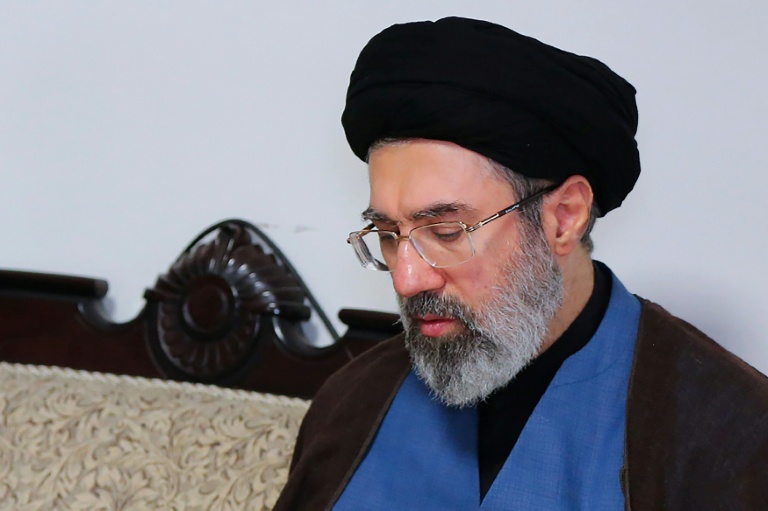
The conflict between Iran and its regional adversaries has led to a significant surge in oil prices, with crude reaching over $100 per barrel on Monday. This escalation came as Tehran celebrated the appointment of its new supreme leader, Ayatollah Mojtaba Khamenei, amid a fresh wave of missile attacks targeting Israel and the Gulf’s energy infrastructure.
As Iran marked the transition of power, global markets reacted swiftly. Saudi Arabia faced drone strikes on its oil fields, while Bahrain’s energy company warned that it might struggle to meet export obligations. The situation has raised concerns across the Middle East and beyond, prompting urgent discussions among key international players.
Finance ministers from the G7 are set to convene later in the day to address the crisis. French President Emmanuel Macron, who is currently leading the group, indicated that one of the topics under discussion will be the potential release of strategic oil reserves. This move aims to ease pressure on energy prices and safeguard the global economy from further shocks.
As the war entered its 10th day, the United Arab Emirates and Kuwait reported new attacks, adding to the growing list of affected regions. Asian economies were among the first to respond, with Japanese and South Korean stock markets closing down by more than five percent. In the Philippines, motorists lined up to fill their tanks, while Vietnam announced plans to eliminate tariffs on fuel imports.
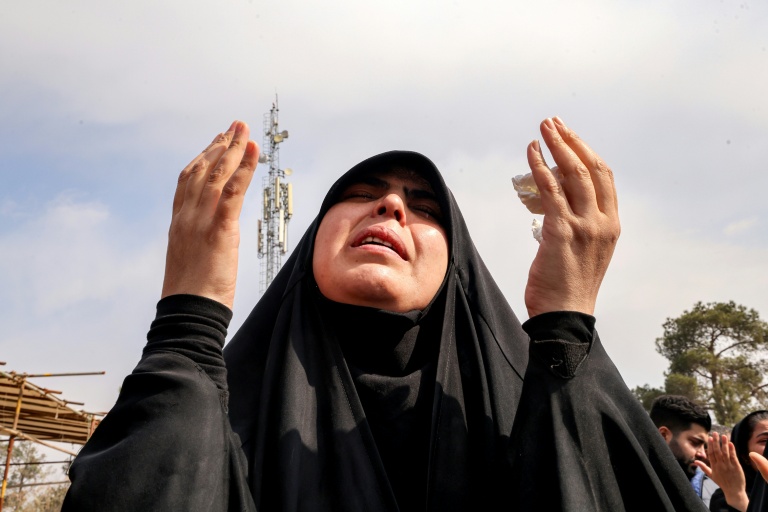
Iranian state media highlighted the Assembly of Experts’ decision to name the new leader, despite what they described as “brutal aggression” from the United States and the so-called “Zionist regime.” A missile was shown ready for launch, bearing the slogan “At your command, Sayyid Mojtaba.”
Iran’s security chief, Ali Larijani, stated that the appointment had caused “hostile and warmongering enemies to despair.” The country also accused Europe of being complicit in the US-Israeli attack by supporting Washington’s efforts to re-impose nuclear sanctions on Tehran.
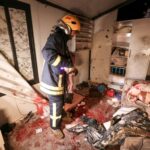
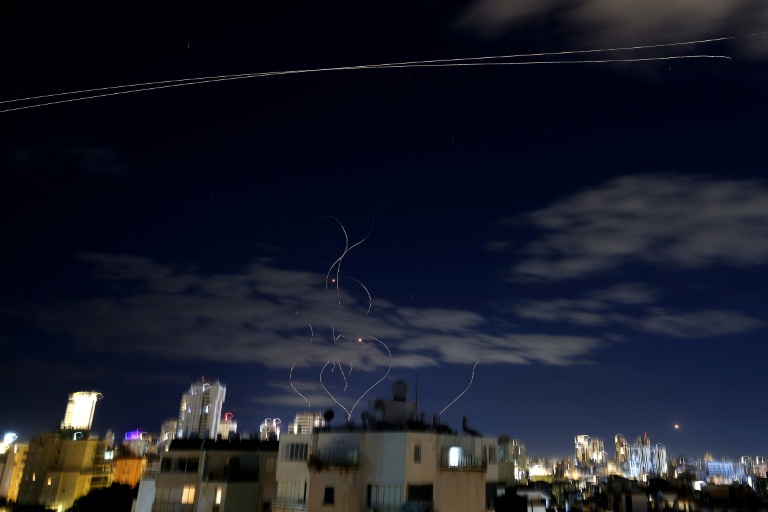
More explosions were heard in both Tehran and central Israel as the two sides exchanged strikes. At least one Israeli individual was killed when shrapnel hit a construction site, according to emergency services. In Tel Aviv, at least 10 explosions were reported after the military detected inbound missiles from Iran.
- New Leader Close to Guards
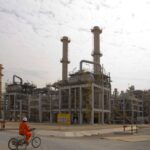
The younger Khamenei, appointed to replace his father, is seen as closely aligned with Iran’s Islamic Revolutionary Guard Corps (IRGC). His leadership comes at a time of heightened tension, following recent strikes on Bahrain’s Al Ma’ameer oil facility, which sparked fires and led to warnings from Bapco, the country’s state-owned energy company.
The ongoing conflict has triggered fears about the economic stability of Gulf states, affecting not only their oil and gas sectors but also aviation and tourism. To maintain their image as safe destinations, Qatari authorities have arrested over 300 individuals for sharing what they consider “misleading information” online. Similar measures have been taken in Bahrain, Kuwait, Saudi Arabia, and the UAE.
This war unfolded just weeks after Iranian authorities under the previous leader suppressed nationwide protests, resulting in numerous deaths, according to human rights organizations. The younger Khamenei’s appointment has drawn mixed reactions internationally. Former US President Donald Trump dismissed him as a “lightweight,” suggesting he would not last long without US approval. Meanwhile, Chinese officials condemned any targeting of leaders, emphasizing the need to respect Iran’s sovereignty.
Russia’s President Vladimir Putin sent a direct message of support to the new leader, stating, “At a time when Iran is confronting armed aggression, your tenure in this high position will undoubtedly require great courage and dedication. Russia has been and will remain a reliable partner.”
- Oil Price Spikes
The conflict has driven oil prices above $100 per barrel, marking the first time since Russia’s invasion of Ukraine four years ago. Trump downplayed the price increase, calling it a “small price to pay” for removing the perceived threat of Iran’s nuclear program.
In a sign that the U.S. does not anticipate a swift resolution, the State Department ordered non-emergency staff to leave Saudi Arabia after a drone strike targeted the U.S. embassy. As uncertainty surrounds the duration and objectives of the war, Trump emphasized that any decision to end hostilities would be made jointly with Israeli Prime Minister Benjamin Netanyahu.
“I think it’s mutual… a little bit. We’ve been talking. I’ll make a decision at the right time, but everything’s going to be taken into account,” Trump said.
- ‘Fierce Clashes’
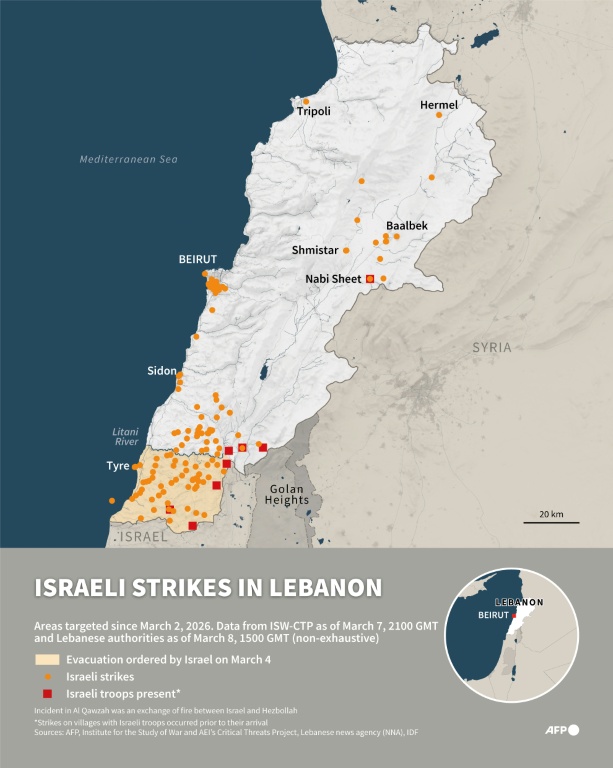
The multi-front war intensified in Lebanon, where Iran-backed militants Hezbollah engaged Israeli forces. Reports indicate that Israeli helicopters landed in eastern Lebanon, crossing the Syrian border. Strikes hit southern Beirut, with large plumes of smoke rising from the area. The Israeli military warned of potential destruction of branches of Al-Qard al-Hassan, a Hezbollah-linked financial firm.
Lebanon became involved in the conflict last week after Hezbollah attacked Israel in response to the killing of the elder Khamenei.