Middle East Conflict Sparks Economic Uncertainty and Rising Energy Prices in the US
Understanding the Economic Fog of War
The concept of “fog of war” typically refers to the confusion and uncertainty that characterize military conflicts. However, this principle extends beyond the battlefield, especially when it comes to the economic consequences of wars. When a conflict occurs in a region that is crucial for global energy supplies—such as the Middle East, which produces one-fifth of the world’s oil and a third of its natural gas—the economic ripple effects can be profound.
On March 6, 2026, Qatar’s energy minister issued a dire warning about the potential global economic fallout from the joint U.S.-Israeli strikes on Iran, stating, “This will bring down the economies of the world.” While the full extent of these impacts remains unclear, the situation highlights the growing concerns surrounding the economic risks of such conflicts.
Signs of Economic Weakness
The U.S. economy was already showing signs of weakness before the conflict escalated. On the same day as the Qatari warning, data revealed an unexpected loss of jobs in February, signaling underlying vulnerabilities. As an economist, I anticipate that the biggest economic risks from this war will include inflationary pressures and slowing growth due to rising oil prices. Additionally, the uncertainty created by the “economic fog of war” could lead consumers to reduce spending and businesses to hesitate in hiring or investing. These conditions will make it difficult for policymakers to manage the economy effectively.
Uncertainty and Risks
Currently, there is significant uncertainty regarding the duration of the conflict, the number of countries involved, and the associated costs. All of these factors will influence how severely the war affects economies in the U.S. and globally.
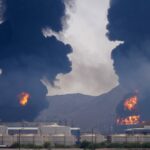
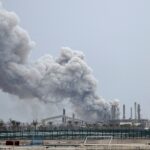
One of the immediate effects is the disruption of oil and liquefied natural gas supplies, particularly through the Strait of Hormuz—a critical waterway for global trade. The threat of attacks has made shipping through this passage uninsurable, leading to a near-halt in operations. This has caused the price of crude oil to rise by approximately 25% since the U.S. and Israel began bombing Iran on February 28, which has driven up gasoline prices across the U.S.
The military campaign itself is also expensive for the United States. Early estimates suggest that the cost of the war is nearly $1 billion per day, with losses of aircraft and a depletion of missile stockpiles already reported.
Challenges Managing a Supply Shock
Historically, supply shocks have had significant economic consequences. For example, the 1979 Iranian Revolution led to a spike in oil prices, contributing to stagflation in the U.S. and Europe. While the current situation is different—economies today are less dependent on oil and natural gas than they were in the late 1970s and early 1980s—the challenges of managing a supply shock remain.
The experience of the COVID-19 pandemic demonstrated how difficult it is to address supply shocks, requiring tough trade-offs between different economic goals. Policymakers must now navigate similar challenges as they respond to the ongoing crisis.
Trade-off Between Fighting Inflation or Recession
One key question arising from supply shocks is whether central banks should raise interest rates to combat inflation or lower them to support economic growth and employment. Raising rates reduces demand for loans and curbs growth, helping to control inflation, while lowering rates has the opposite effect.
In both the late 1970s and during the early stages of the pandemic, the Federal Reserve chose to keep rates low to support the economy. This approach led to higher inflation in both cases. The inflation of the late 1970s and early 1980s was eventually addressed through high interest rates, which caused a deep recession. However, the reduction of inflation after the pandemic did not require a similar economic downturn, thanks to the long history of low inflation and stable expectations.
Risks on the Horizon
Despite the Fed’s reputation for fighting inflation, its credibility is under threat due to recent political pressures. President Donald Trump’s attacks on Chairman Jerome Powell, the prosecution of Federal Reserve Board member Lisa Cook, and the appointment of a new chair who many believe will push for lower rates pose risks to inflation control.
These actions could create a self-fulfilling prophecy, where concerns about inflation lead to actual inflation. At the same time, other economic signals—such as tariff policies, cuts to government employment, and rising federal debt—are also weighing on the U.S. economy. A sharp increase in oil prices could trigger further economic weakness, potentially leading to a recession.