Oil Prices Swing Sharply Amid Iran Tensions and Global Market Volatility
Oil Prices Experience Volatility Amid Escalating Tensions
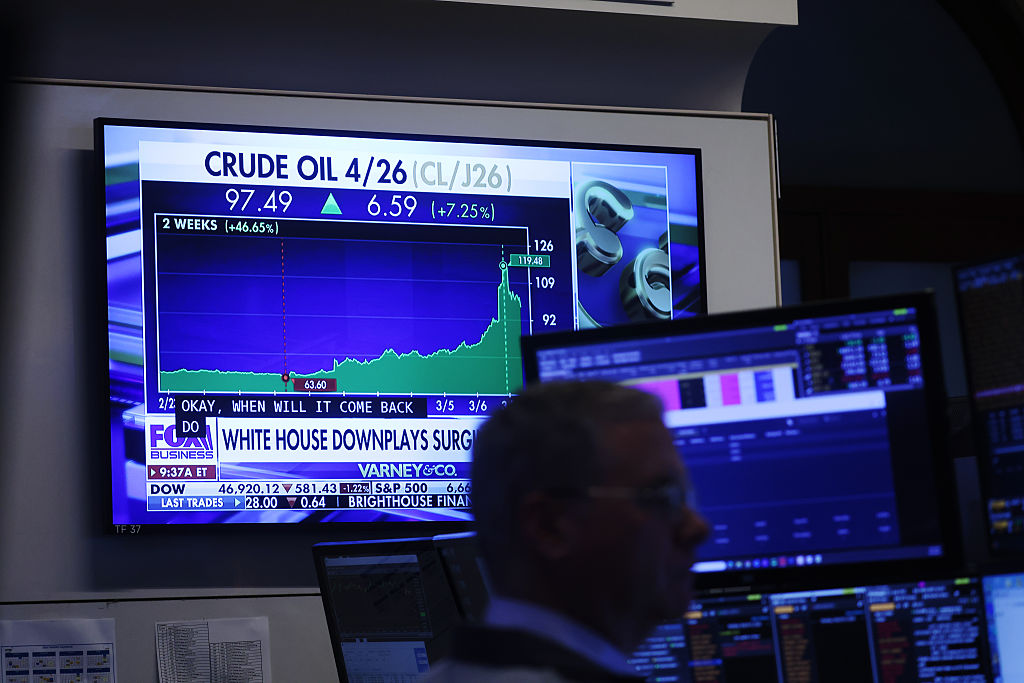
Oil prices have shown significant fluctuations over the past week, driven by ongoing tensions involving Iran. Traders have been reacting to the escalating conflict, with oil prices briefly rising to around $120 per barrel before dropping and then climbing again. This volatility is a reflection of concerns about potential disruptions to shipping through the Strait of Hormuz, a critical waterway for global energy supply.
The Strait of Hormuz serves as a vital route for approximately one-fifth of the world’s oil supply, making it one of the most important chokepoints in the global energy market. As the situation in the Middle East continues to develop, the impact on oil prices has already begun to affect U.S. gasoline markets. Officials in Washington have warned that if the conflict persists, higher crude prices could lead to increased pump prices in the coming weeks.
Market Reactions and Price Swings
Prices initially surged late Sunday into early Monday, with benchmark Brent Crude reaching as high as $120 per barrel—the highest level since 2022. This spike was fueled by fears that the conflict could disrupt oil tanker traffic in the gulf. Reports of intensified fighting and threats from Iran against commercial vessels near the Strait of Hormuz contributed to this increase. Tehran even issued a message suggesting that oil could reach $200 per barrel.
Energy traders quickly adjusted their pricing strategies, factoring in the possibility that oil flow through the crucial waterway could be halted or significantly reduced. However, the price drop occurred later on Monday and into Tuesday after signals from Washington indicated that the conflict might not immediately disrupt supply as severely as initially feared.
The Role of Political Statements
Brent crude fell back toward the $90 range as markets reacted to comments from President Donald Trump, who suggested that the war could end soon and that the U.S. military had largely achieved its objectives. This decline highlighted a common pattern in oil markets: prices often rise due to geopolitical risks but fall when traders determine that actual supply has not been significantly affected.
Despite this temporary drop, the price rebounded by midweek after reports of Iranian attacks on commercial ships near the Strait of Hormuz raised new concerns about supply stability. Brent crude climbed back above $100 per barrel, while U.S. benchmark West Texas Intermediate crude approached around $95 per barrel. These attacks reinforced fears that even limited disruptions in the Persian Gulf could drive prices higher.
Ongoing Uncertainty and International Response
For the remainder of the week, Brent crude remained between roughly $100 and $110 per barrel, reflecting persistent uncertainty about whether the conflict could escalate further or disrupt tanker traffic through the region. In response, governments and international organizations have started taking steps to stabilize markets. The International Energy Agency announced plans to release hundreds of millions of barrels from strategic oil reserves to offset potential disruptions and calm markets.
Traders are closely monitoring several factors, including the stability of tanker traffic through the Strait of Hormuz, the introduction of naval escorts to protect shipping, and whether Iran carries out additional attacks on energy infrastructure.
Preparations for Security Measures
Transportation Secretary Sean Duffy mentioned on Sunday that insurance is “ready to go” for ships traveling through the strait, but the Pentagon will still need to finalize security details. Duffy noted that it could take anywhere from one day to a week before measures are in place to secure oil flow. Even minor changes in shipping through the gulf can have major effects on oil prices due to the region’s central role in global supply.