Mideast Conflict Triggers Long Lines at Kinshasa Gas Stations
Rising Fears and Long Queues in Kinshasa
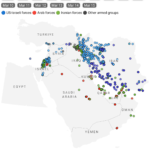
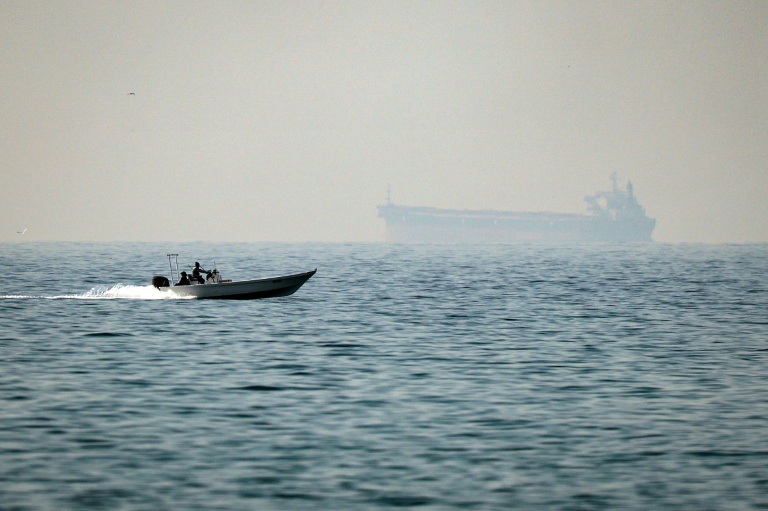
Long lines of cars and motorcycles have formed at gas stations in Kinshasa, the capital of the Democratic Republic of Congo (DRC), as people worry about potential fuel shortages and price increases. This situation has been triggered by Iran’s blockade of the Strait of Hormuz, a critical shipping route that transports one-fifth of the world’s oil. In response to recent U.S. and Israeli strikes, Iran has nearly shut down this strategic passage, causing global energy prices to surge.
The DRC is heavily dependent on imported oil to meet the needs of its more than 100 million residents. A shortage could severely disrupt the economy, which relies heavily on road transport for goods. The country only has one overland pipeline that carries imported oil from the Atlantic port of Matadi to Kinshasa.
Despite these concerns, the Congolese Ministry of Economics stated that there is no fuel shortage and that petroleum product stocks are sufficient to supply the entire country. To address the growing tension, the ministry announced exemptions on customs duties and plans to strengthen financial support for oil companies. However, they did not provide specific details about the sources of the oil supply.
In the heart of the city, motorcyclists have been waiting for hours to get a small amount of fuel. Emmanuel Gedeon Nzunzi, a motorcycle taxi driver, noted that some people have been waiting for four hours. These drivers play a crucial role in Kinshasa, where the population exceeds 17 million and traffic is often congested.
Kinshasa, known for its outdated infrastructure, has experienced temporary fuel shortages before. However, this time, the threat comes from far away—specifically from the conflict in the Middle East. Marcel, another motorbike taxi driver, mentioned that people are discussing the war in Iran on social media.
The Pressure on Fuel Distributors
Fuel distributors are caught between the fear of rising barrel prices and the regulation of pump prices. They are being blamed for the sudden shortage. The government controls pump prices, which are approximately $1 (2,440 CFA francs) per liter in the region around Kinshasa. To offset the difference, the government provides subsidies to those involved in the petroleum sector.
Emery Mbasthi, vice president of the Congo Oil Association, expressed concern about “depleting reserves without being able to replenish them.” He has urged the authorities to either raise the price per liter at the pump or increase subsidies. Since the start of the conflict in Iran, oil prices have already increased, and oil companies are accustomed to pressuring the government to review fuel prices by holding onto their stocks.
Jacques Mukena, a researcher at the Ebuteli institute in the DRC, noted that the government is unlikely to immediately increase fuel prices. Raising subsidies would place a heavy burden on the state budget, while increasing pump prices would have significant political and social consequences.
Economic Vulnerability and Social Impact
The DRC, one of the poorest countries globally, is highly susceptible to fluctuations in global oil prices. Motorbike taxi driver Moise Ilunga mentioned that bikers now have to pay 1,000 CFA francs in bribes to obtain fuel at the pumps. With these added costs, drivers like Marcel may have to charge more for rides.
The prime minister’s office stated that the DRC has enough fuel stocks to last until June and promised to limit the increase in pump prices for now. However, the situation remains tense, with fears of further disruptions and economic challenges looming over the population.