Ukraine Live: Putin’s Forces Face Deadliest Day, Kyiv Reports
Russia Suffers Record Casualties in Ukraine, Signaling Possible Spring Offensive
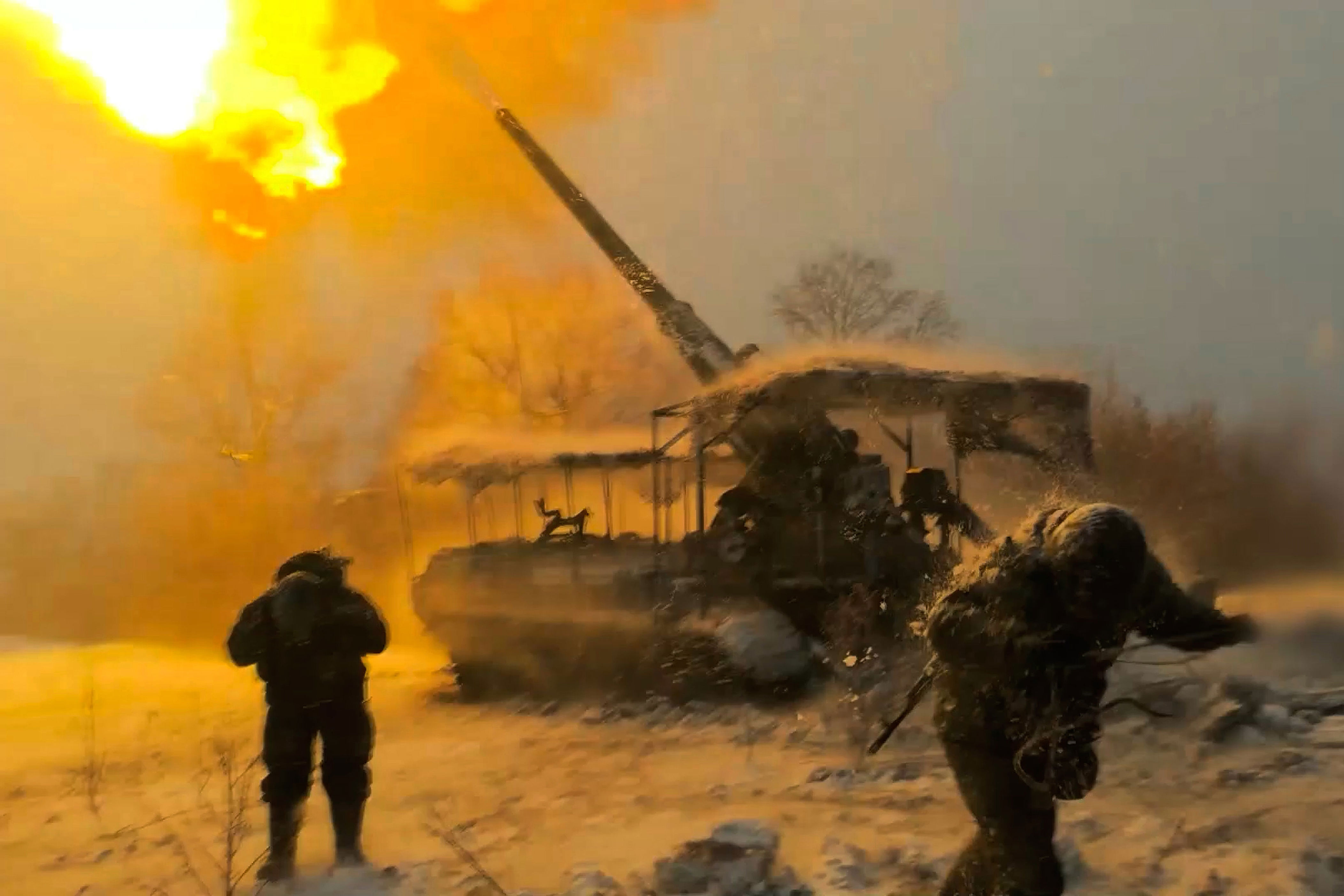
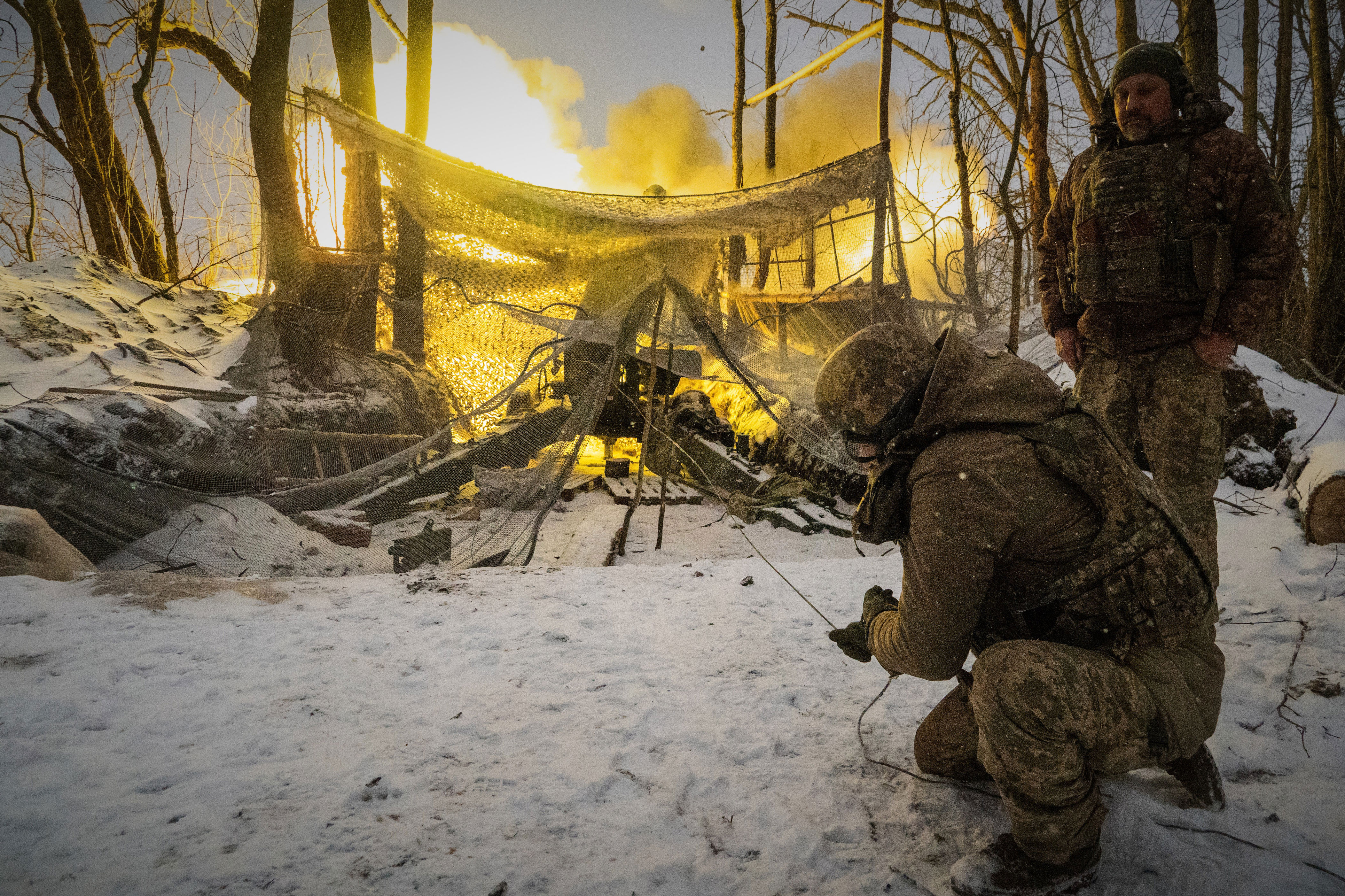
Russia experienced its deadliest day of the war against Ukraine on March 17, with military officials reporting over 1,700 troops killed or wounded. This marked a significant increase from the average daily losses of 700 to 900 troops recorded in recent months. According to the Ukrainian general staff, the attacks also resulted in the destruction of 29 artillery systems, 230 vehicles, and fuel tankers. The Ukrainian unmanned systems force, which oversees drone strikes, claimed responsibility for killing or wounding 900 Russian soldiers in a span of one and a half days.
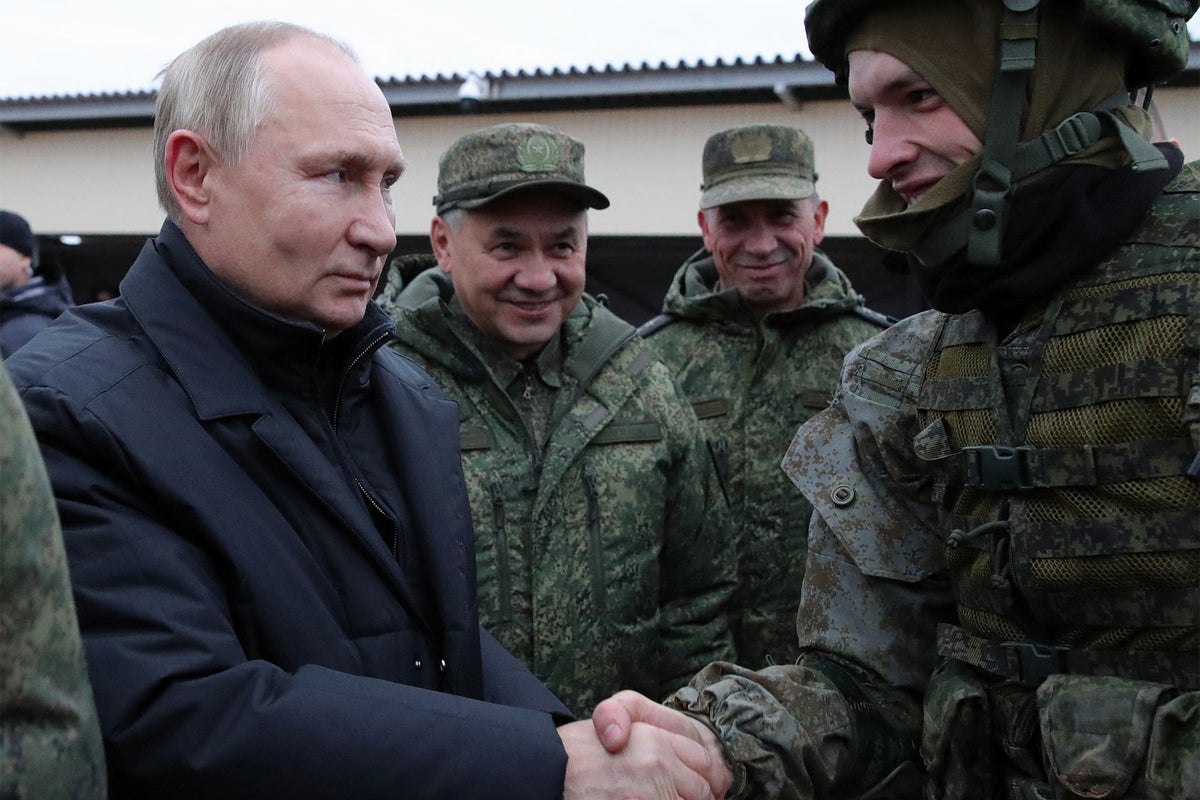
This surge in casualties occurred as Russian forces attempted to advance on the Zaporizhzhia front using infantry, motorcycles, and horses under the cover of fog. Analysts suggest that this could indicate Moscow’s planned spring offensive aimed at capturing more territory in Ukraine. The increased use of drones by Ukraine has significantly impacted Russian operations, with the country’s defense minister, Sergei Shoigu, warning that no part of Russia is now safe from long-range drone strikes.
Peace Talks Between Russia, Ukraine, and the U.S. Are on a ‘Situational Pause’
Peace talks between the United States, Russia, and Ukraine are currently on a “situational pause,” according to the Kremlin. This development comes as the war in Iran continues to dominate international attention. Kremlin spokesperson Dmitry Peskov stated that the pause is temporary and expressed hope that negotiations can resume soon. However, he noted that the ongoing conflict in the Middle East has disrupted the trilateral format of discussions.
The halt in peace talks has raised concerns among Western leaders, who fear that it may delay any progress toward resolving the conflict in Ukraine. Despite these challenges, Ukrainian President Volodymyr Zelensky has continued to push for renewed diplomatic efforts, sending an official delegation to the United States in an attempt to revive stalled negotiations.
Ukraine Launches Largest Drone Barrage in Response to Russian Attacks
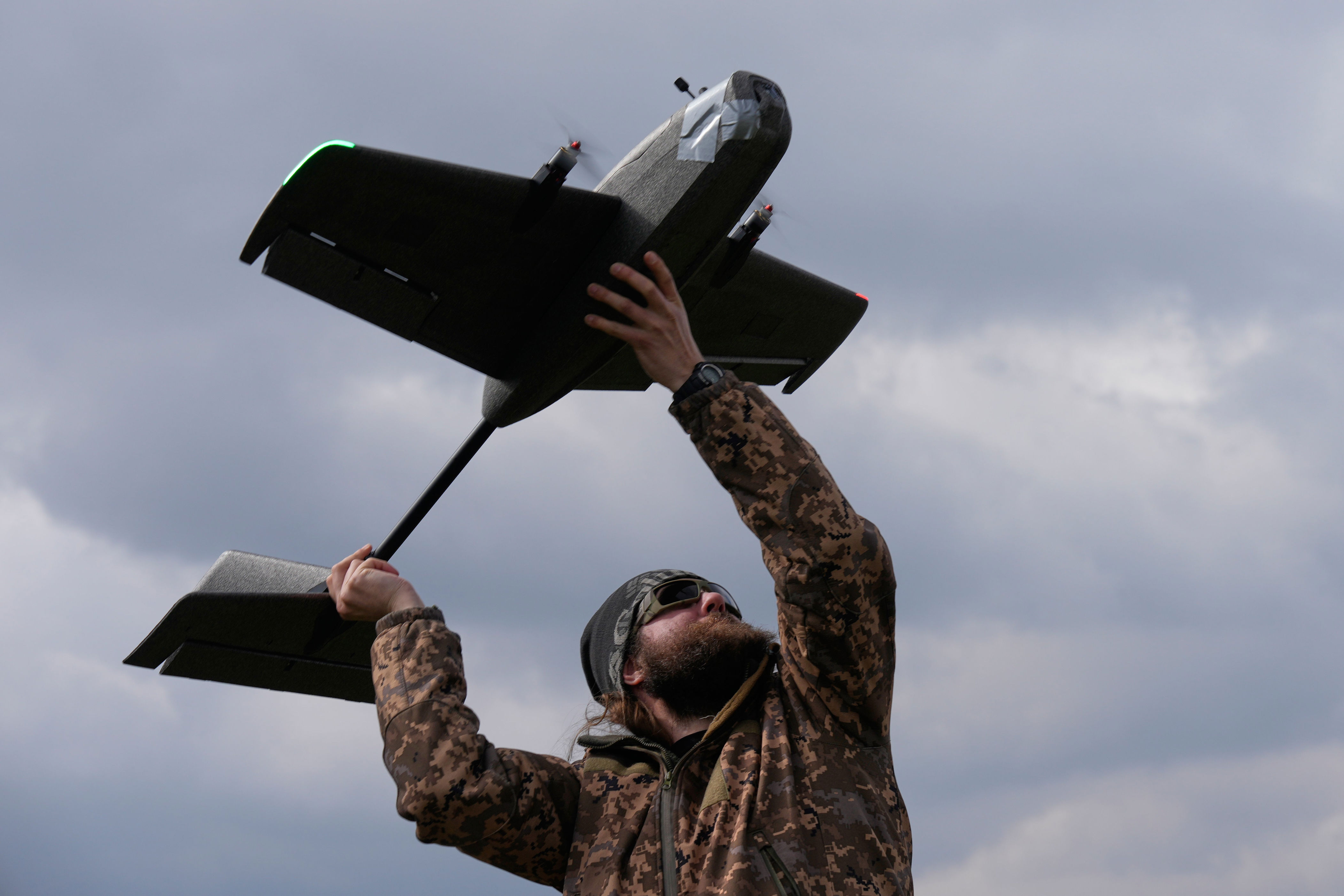
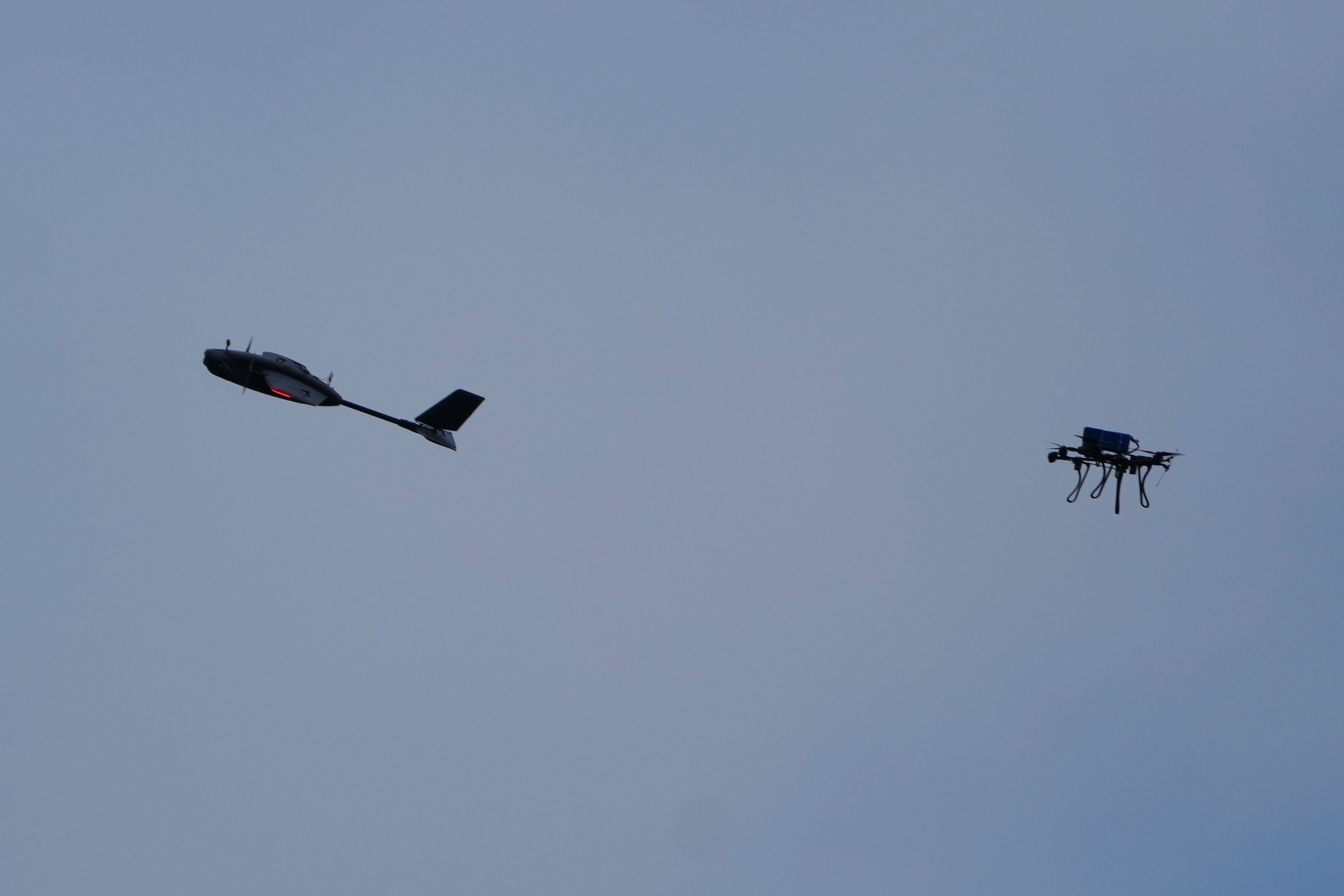
Ukraine launched one of its largest drone barrages in response to recent Russian attacks. Over 280 drones were deployed overnight, with around 90 intercepted in the southern Rostov region and at least 27 shot down near Moscow. The Ukrainian military has been increasingly relying on drones to disrupt Russian operations, targeting infrastructure, supply lines, and military installations.
The use of drones has become a critical component of Ukraine’s strategy, allowing for precision strikes while minimizing the risk to personnel. In particular, the Ukrainian unmanned systems force has played a key role in countering Russian advances, especially along the Zaporizhzhia front. These drone attacks have not only inflicted heavy casualties but have also disrupted Russian logistics and morale.
EU Leaders Condemn Hungary’s Veto on Ukraine Loan
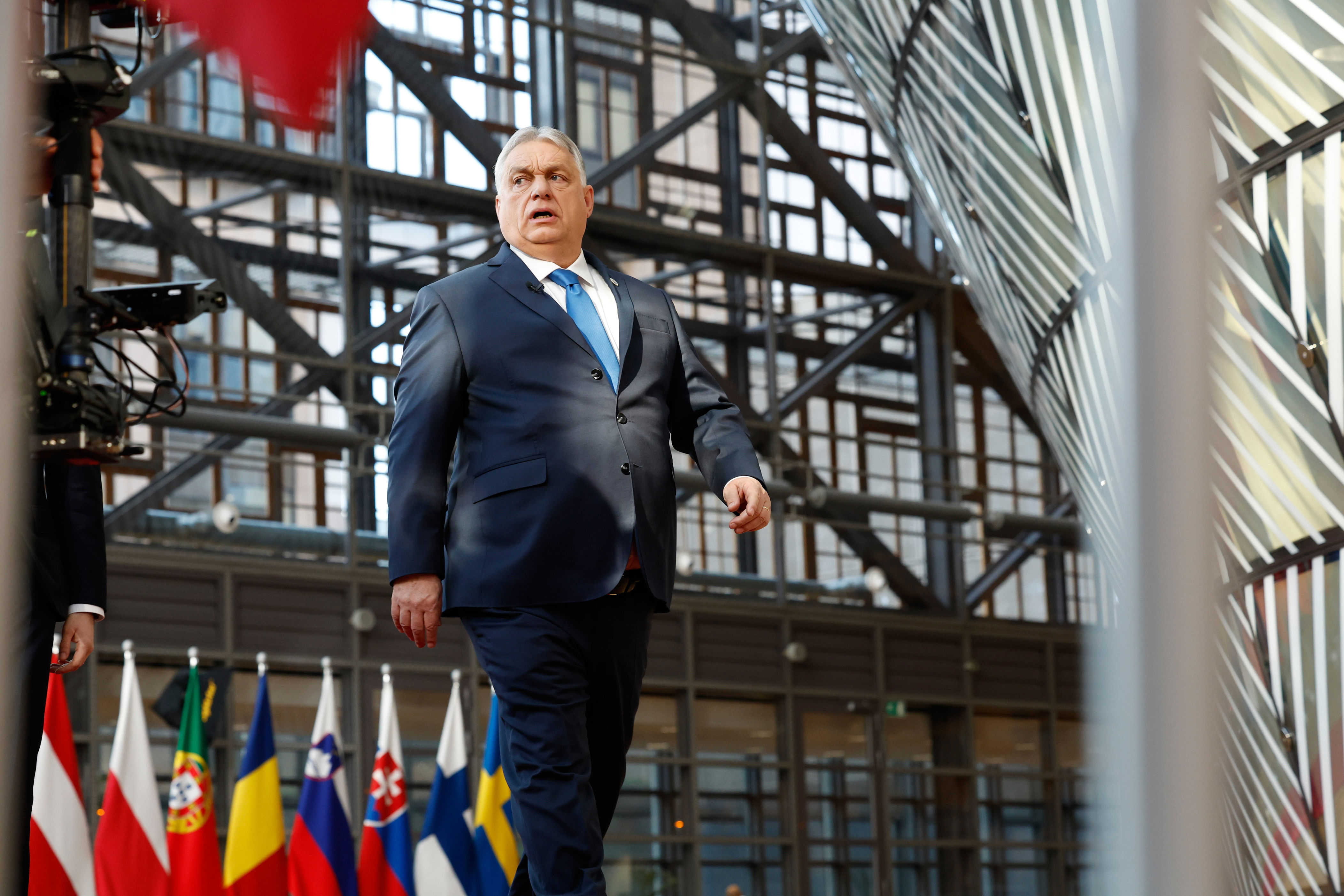
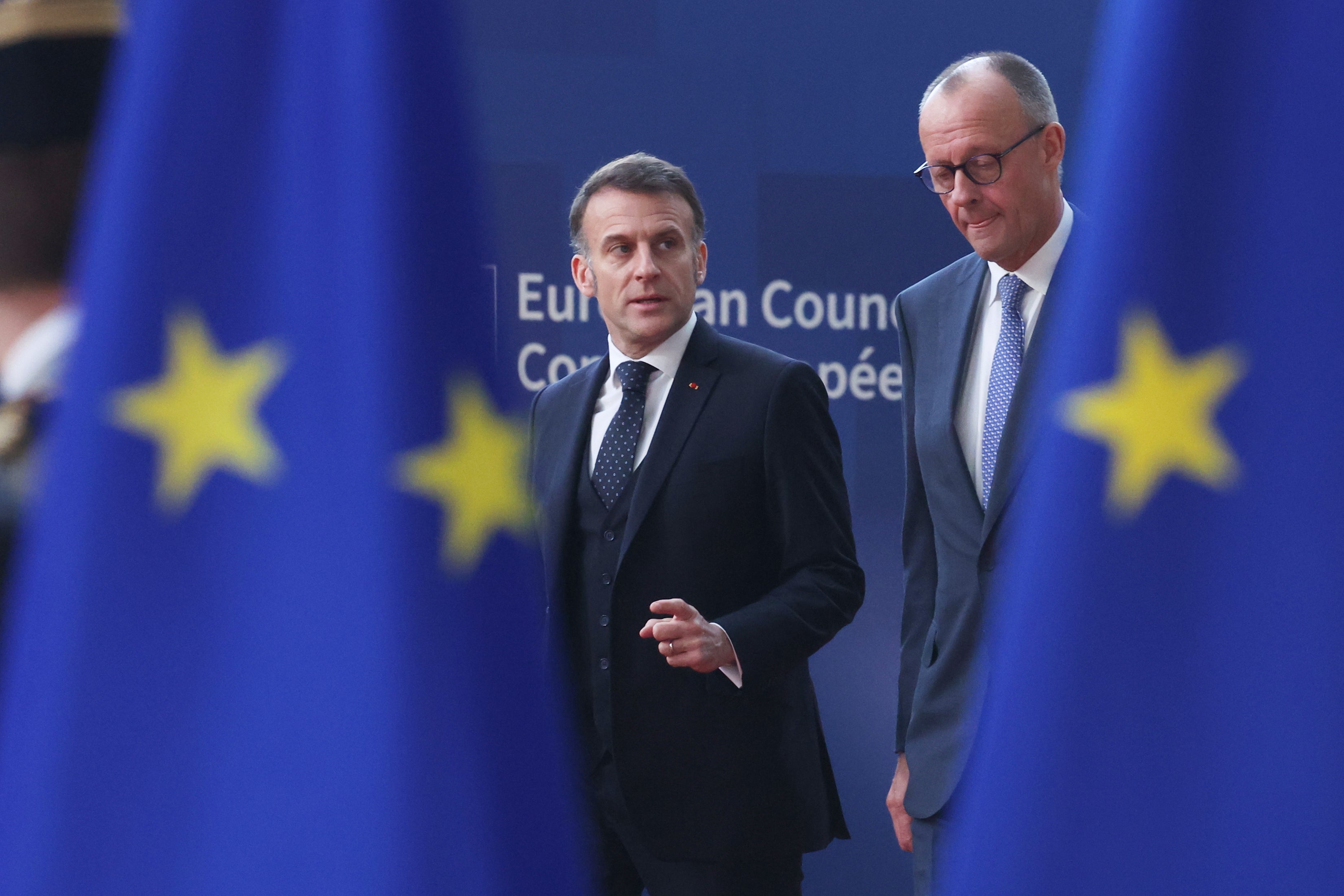
European Union leaders have condemned Hungarian Prime Minister Viktor Orbán for blocking a crucial €90 billion loan to Ukraine. Despite repeated efforts to convince Orbán to lift his veto, the Hungarian leader has refused, citing disputes over a damaged pipeline that carries Russian oil through Ukraine to Hungary and Slovakia. This decision has sparked outrage among other EU members, who argue that it undermines the bloc’s unity and jeopardizes Ukraine’s ability to continue its fight against Russia.
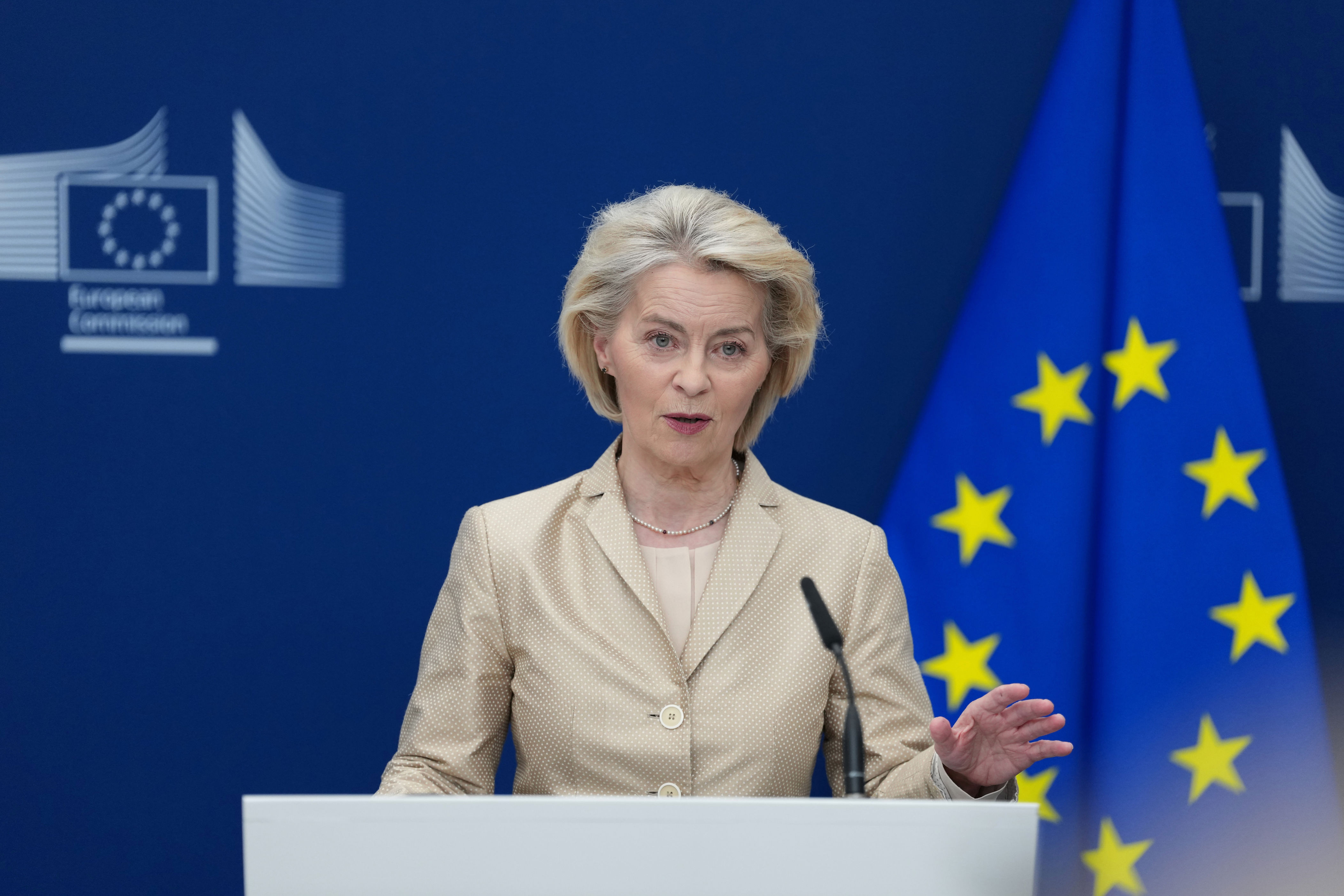
German Chancellor Friedrich Merz called Orbán’s veto an “act of serious disloyalty,” emphasizing that the EU must honor its commitments to Ukraine. European Commission President Ursula von der Leyen stated that the EU will find ways to deliver the loan despite Hungary’s resistance, highlighting the importance of supporting Ukraine during the fifth year of the war.
Russia Tightens Security for Senior Military Officials
In response to a series of assassinations and attempted killings, Russia has announced plans to bolster security for senior military figures. The move follows the shooting of Lieutenant-General Vladimir Alexeyev, deputy head of the GRU military intelligence, who was injured in his Moscow apartment building in February. While Ukraine has denied involvement, the Kremlin attributes the attacks to Ukrainian operatives.
FSB chief Alexander Bortnikov confirmed that Alexeyev had recovered and emphasized that security for high-ranking officials would be significantly tightened. This comes amid growing concerns about the safety of Russian military leadership, particularly as tensions with Ukraine and other regional conflicts escalate.
Ukraine Faces Missile Shortages Due to War in the Middle East
Ukrainian President Volodymyr Zelensky has warned that the war in the Middle East is exacerbating Ukraine’s missile shortages. With U.S. air defense assets being diverted to counter Iranian threats, Ukraine faces a critical need for additional supplies to defend against Russian attacks. Zelensky has urged the U.S. and its allies to prioritize aid to Ukraine, emphasizing the importance of maintaining air defense capabilities.
The situation has also led to increased interest in alternative sources of funding and support. For example, Ukraine has explored expanding rapeseed plantings to meet rising global demand for biodiesel feedstocks, which could provide additional economic stability in the face of ongoing conflict.

Russia Accuses Ukraine of Targeting Critical Energy Infrastructure
Russia has accused Ukraine of targeting critical energy infrastructure, including gas compressor stations connected to the TurkStream and Blue Stream pipelines. These pipelines transport natural gas from Russia to Turkey via the Black Sea and are vital for Europe’s energy supply. Gazprom reported that at least 26 Ukrainian drones targeted three compressor stations in the Krasnodar region between Tuesday and Thursday.
Kremlin spokesperson Dmitry Peskov condemned the attacks, claiming they threaten global energy markets and could destabilize the region. He described the actions as “irresponsible and thoughtless,” warning that such incidents could have far-reaching consequences.
Ukraine Begins Compulsory Evacuation in Donbas
As the security situation deteriorates in the Donbas region, Ukraine has initiated a compulsory evacuation of children from the city of Sloviansk. Governor Vadym Filashkin issued the order, citing the vulnerability of certain areas to enemy strikes. Russian forces have been advancing in the region, bringing them within 20 kilometers of the city’s outskirts.
Sloviansk is one of several towns still under Ukrainian control in the eastern region of Donetsk, which remains a key military objective for Russia. The evacuation underscores the increasing pressure on Ukrainian cities and the need for strategic relocation of civilians to safer areas.
Germany Eases Arms Export Restrictions for Ukraine
Germany has simplified the export of certain air and naval defense equipment to Ukraine and the Gulf states. The move aims to ensure rapid delivery of military supplies in response to urgent needs, particularly in the wake of Iran’s attacks on Gulf states. The new general export license applies to exports to Saudi Arabia, the UAE, Qatar, Kuwait, Bahrain, and Oman, as well as Ukraine.
Economy Minister Katherina Reiche emphasized the urgency of providing military equipment to countries facing security threats. The new regulation allows exporters to bypass individual applications for export control, streamlining the process and ensuring faster delivery of critical supplies.
Russia’s War in Iran Raises Pressure on Ukraine
With U.S.-brokered peace talks on hold due to the war in the Middle East, Russia is expected to expand its military gains in Ukraine. Surging global oil prices have provided Moscow with additional revenue, while U.S. air defense assets are being diverted to counter Iranian threats. This shift in focus has placed additional pressure on Ukraine, which relies heavily on Western support to sustain its war effort.
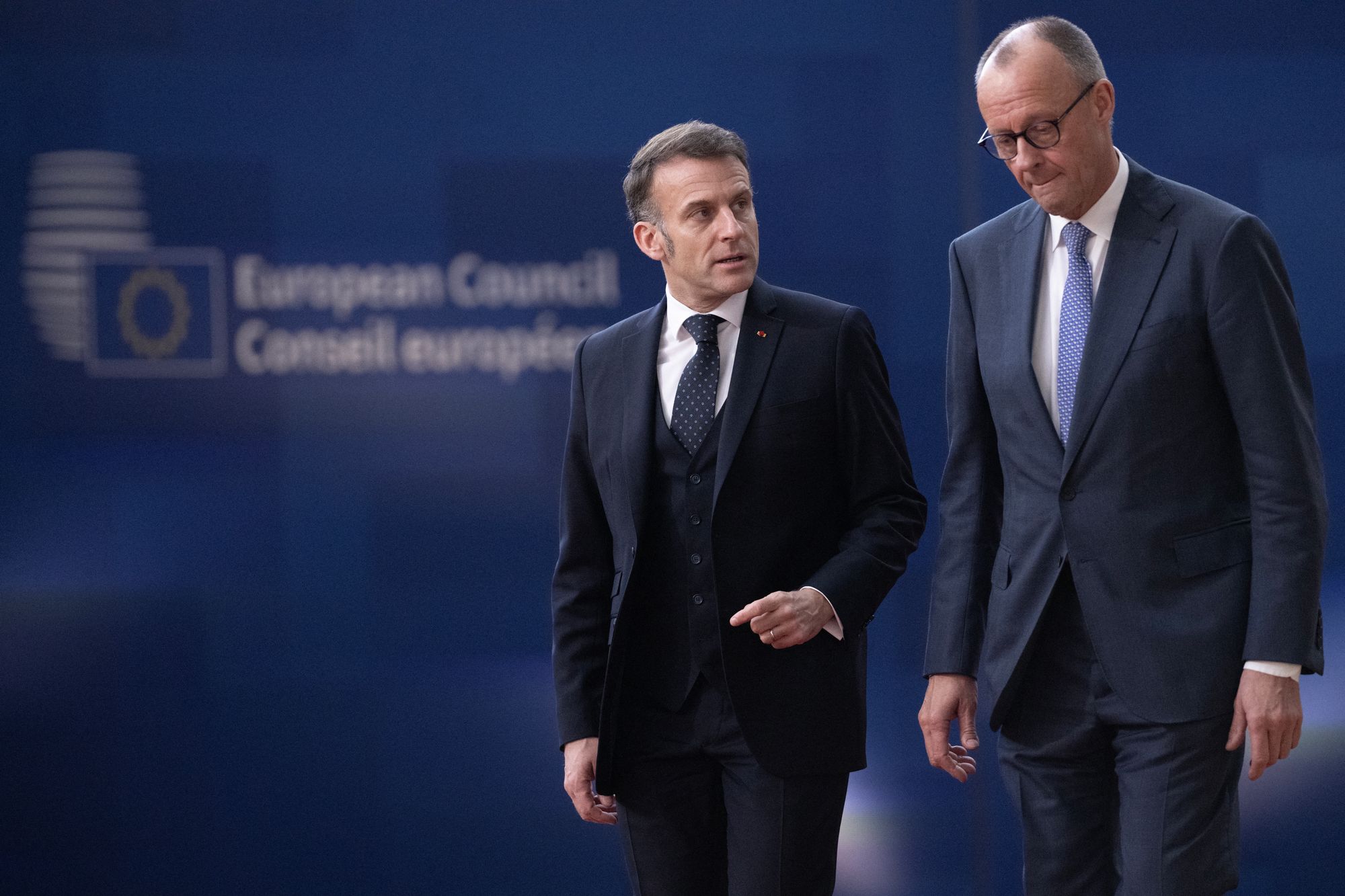
European allies have pledged continued support, but internal divisions over a major €90 billion EU loan to Ukraine have highlighted the challenges of maintaining unity. As new signs of rift emerge in Western alliances, Russia and its generals are preparing for potential offensives across the extensive front line.
France Seizes Russian Oil Tanker in Mediterranean
French President Emmanuel Macron announced that the French Navy seized the Deyna vessel, a member of Russia’s shadow fleet. The tanker, flagged under Mozambique and sailing from the Russian port of Murmansk, was suspected of operating under a false flag. The operation, carried out in cooperation with British allies, aimed to verify the nationality of the vessel and address concerns about sanctions violations.
Macron criticized the vessel as a “war profiteer” seeking to profit from Russia’s war effort. The seizure highlights the growing international effort to combat the use of sanctioned vessels to circumvent restrictions on trade with Russia.