Artists Are the Heart of an Art Gallery
Artificial intelligence is rapidly transforming the landscape of creative work, challenging artists, writers, and creators across the globe to reconsider what it means to be an artist in the digital age. From traditional painters to modern writers, the integration of AI into the creative process has sparked a wide range of reactions — from fear and uncertainty to curiosity and adaptation.
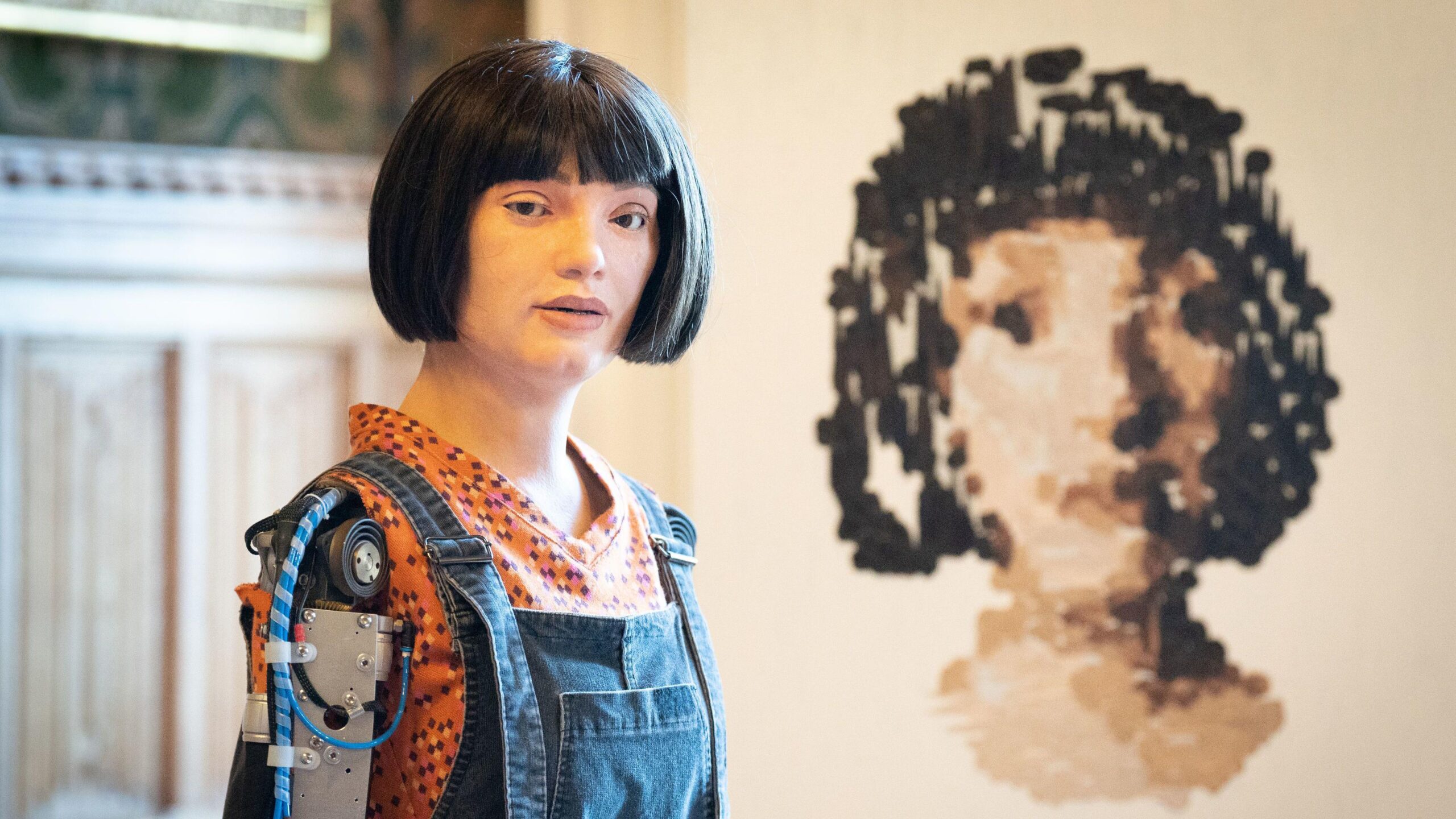
Ai‑Da, a robot artist described as the world’s first ultra-realistic AI-driven artist, has become a symbol of this transformation. Her portrait of Alan Turing sold at Sotheby’s in 2024 for over a million dollars, raising important questions about the nature of art and who — or what — can be considered an artist. While such events have brought AI into the mainstream, the real debate is unfolding in more intimate spaces — among artists, curators, and communities.
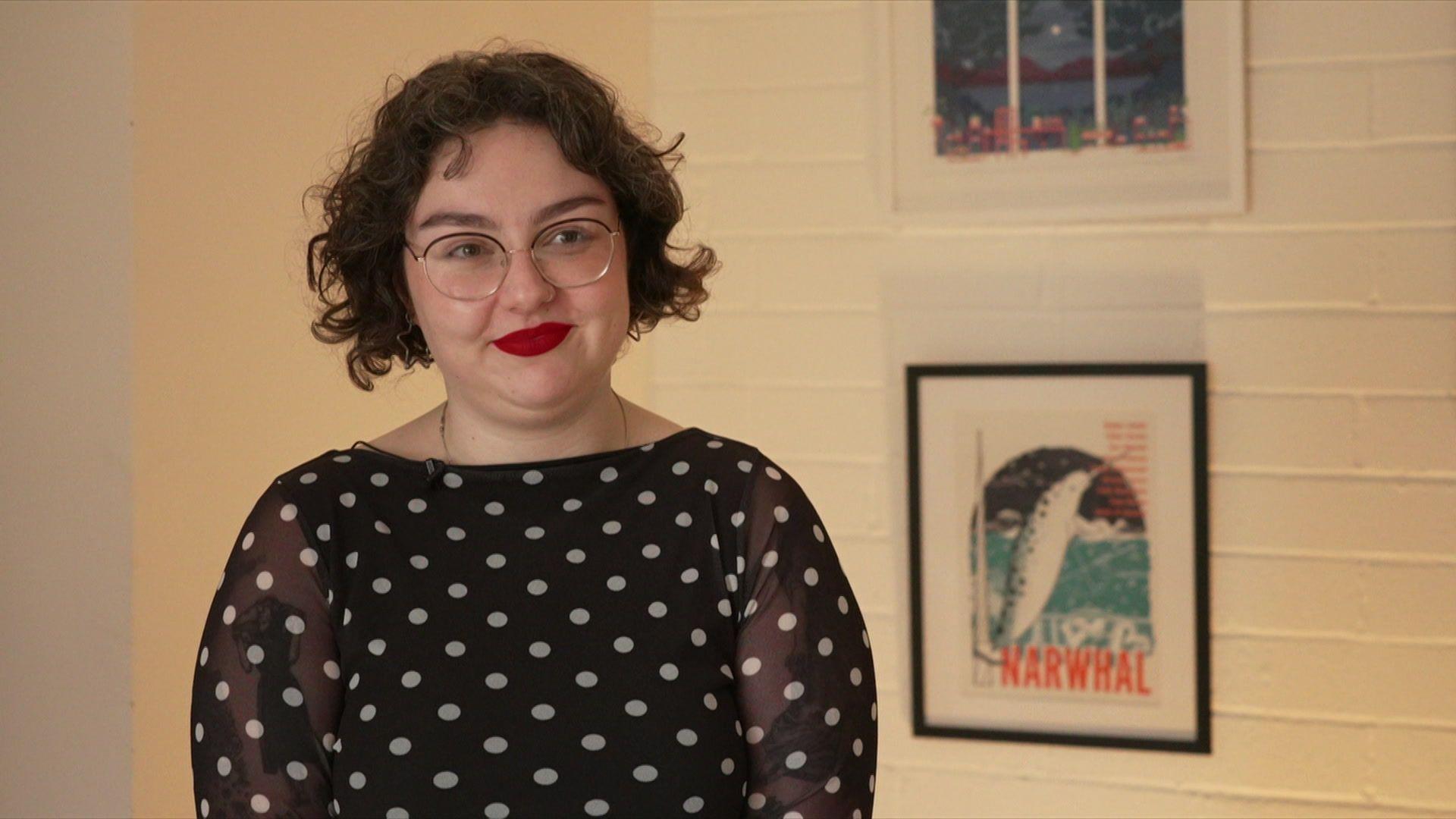
In Hull, curator and artist Lucy Brooke witnessed the growing concerns surrounding AI firsthand. The tension began when a local gallery announced a paid workshop led by an out-of-town artist, with instructions for participants to bring laptops and use ChatGPT to generate images. This detail sparked significant backlash from the local arts community, prompting Brooke to organize a free online session to explore the broader implications of AI in the arts.
During the session, she noticed how quickly the conversation shifted toward collaboration and community. Many artists expressed a desire to work together rather than compete, challenging the traditional notion of the solitary artist working in isolation. Instead, they emphasized the importance of shared practices and collective creativity. This dynamic contrasts sharply with the way AI operates — often relying on a simple prompt to generate an image.
However, the discussion also revealed deeper anxieties about issues like copyright, plagiarism, and exploitation. For Brooke, the key takeaway was the need for artists to build a strong community that can advocate for better policies around AI usage and regulation. As she puts it, “There’s no point in an art gallery if there aren’t artists.”
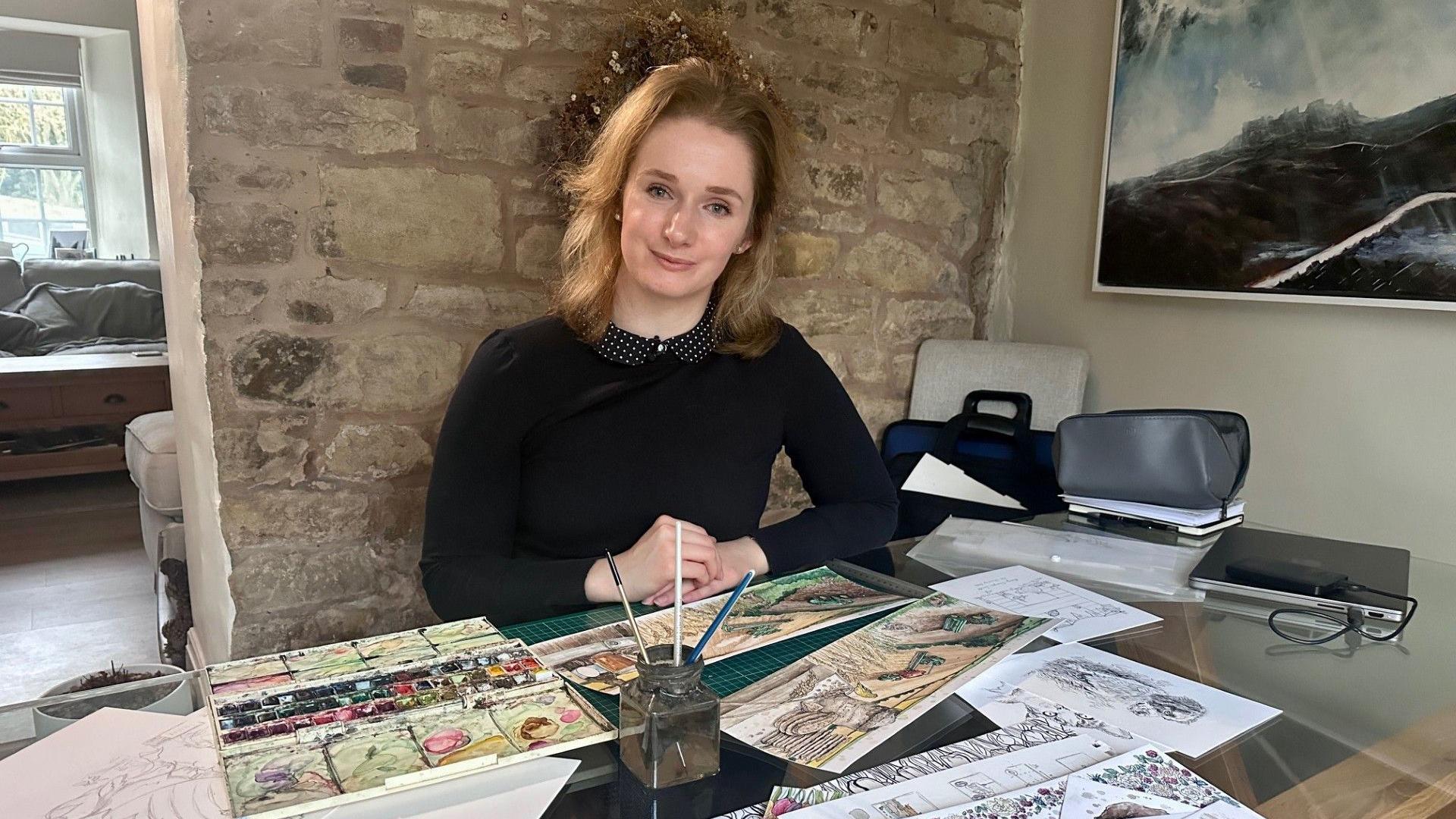
Illustrator Eleanor Tomlinson, known for her watercolor pieces and a widely recognized sketch of Queen Elizabeth II and Paddington Bear, offers a more measured perspective. She has seen her work replicated online without permission, which initially upset her. However, she now views the situation as an opportunity to educate others about the importance of originality and authenticity.
Eleanor acknowledges the rapid advancements in AI, noting that it’s becoming increasingly difficult to distinguish between human-created and AI-generated work. Yet, she remains confident that traditional art will endure. She draws a parallel to the arrival of photography, which initially threatened portrait artists but ultimately did not eliminate their craft. For her, the personal connection she builds with clients is something AI cannot replicate.
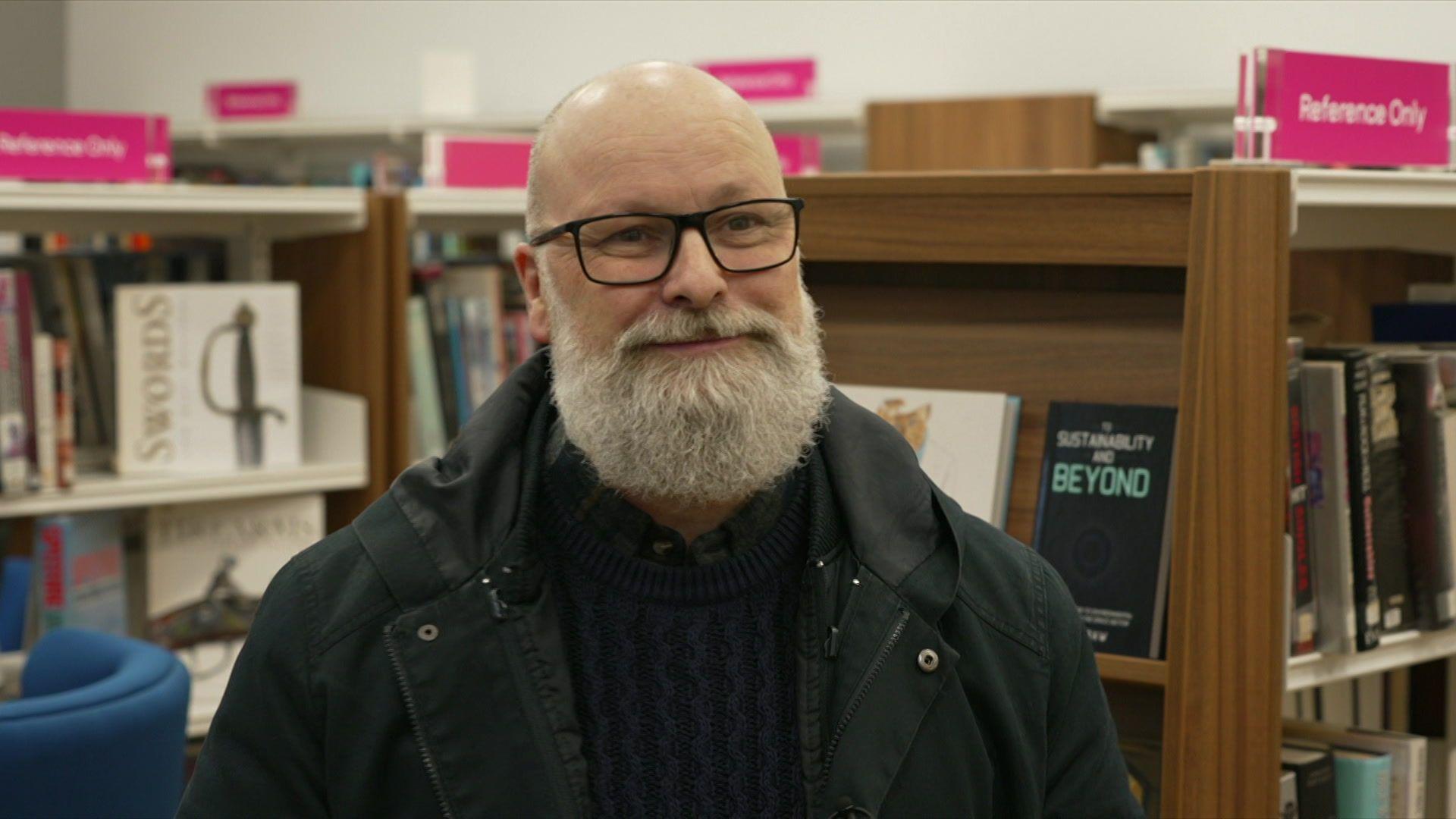
Writer and author Alan Raw presents a more conflicted view. His books are deeply rooted in personal experience, and he is concerned about how his work is being used without consent. He feels a sense of violation when AI models are trained on published works without permission. At the same time, he sees potential benefits in AI’s ability to distribute content related to climate change and sustainability.
As a creative writing tutor, he has also observed AI creeping into students’ assignments, often through cut-and-paste techniques rather than original writing. This trend worries him, as he believes it could lead to a loss of narrative skills and the joy of self-expression.
Across these diverse perspectives, one common thread emerges: the belief that creativity stems from human experience, community, and the value of individual skill. While AI continues to evolve, the human element remains irreplaceable.
Download the Jendela MagazineNews app from the
App Store
for iPhone and iPad or
Google Play
for Android devices
More on this story
‘Breweries using AI could put artists out of work’
AI robot paints portrait of King Charles