Israel Strikes Tehran and Beirut Amid Iran Tensions
Escalation of Conflict in the Middle East
The situation in the Middle East continues to escalate, with multiple nations involved in a complex web of military actions and diplomatic responses. Recent developments have seen Israel launching fresh strikes on Tehran and Beirut, while the United States has taken steps to ease sanctions on Iranian oil. Meanwhile, Saudi Arabia reported intercepting over 20 drones in its eastern region, highlighting the growing tensions in the area.
Saudi Arabia Intercepts Drones
Saudi Arabia’s Defense Ministry announced that it had intercepted 22 drones in the eastern part of the country overnight. The ministry shared updates on social media, stating that 10 drones were destroyed in the eastern region, followed by the interception of 12 more drones in the same area. These incidents are part of a broader pattern of attacks targeting locations in Saudi Arabia and other Gulf countries since the start of the US-Israeli joint military operation against Iran on February 28.
The attacks have raised concerns about the stability of global energy supplies, as some of the world’s most important oil and natural gas exporters are being targeted. This has led to increased anxiety among international markets and governments.
US Eases Sanctions on Iranian Oil
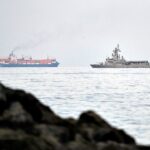
In response to the rising tensions, the United States has temporarily lifted sanctions on Iranian oil that is already on tankers at sea. This move comes as global oil prices have surged due to the ongoing conflict in the Middle East. The Strait of Hormuz, a critical shipping lane through which a fifth of the world’s oil normally passes, has seen maritime traffic largely halt due to Iran’s attacks on tankers in response to the joint US-Israeli operation.
According to the US Treasury, the sale, delivery, or offloading of crude oil or petroleum products of Iranian origin loaded on any vessel on or before March 20 will be authorized through 12:01 am (0401 GMT) on April 19. US Treasury Secretary Scott Bessent hinted at this decision earlier in the week, suggesting that Washington might “unsanction the Iranian oil that’s on the water.” He added that the move would help keep prices down for the next 10 or 14 days as the campaign continues.
This temporary relief follows similar actions taken by the US regarding Russian oil, aimed at curbing rising energy prices.
Israel Launches Strikes on Tehran and Beirut
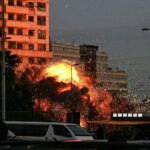
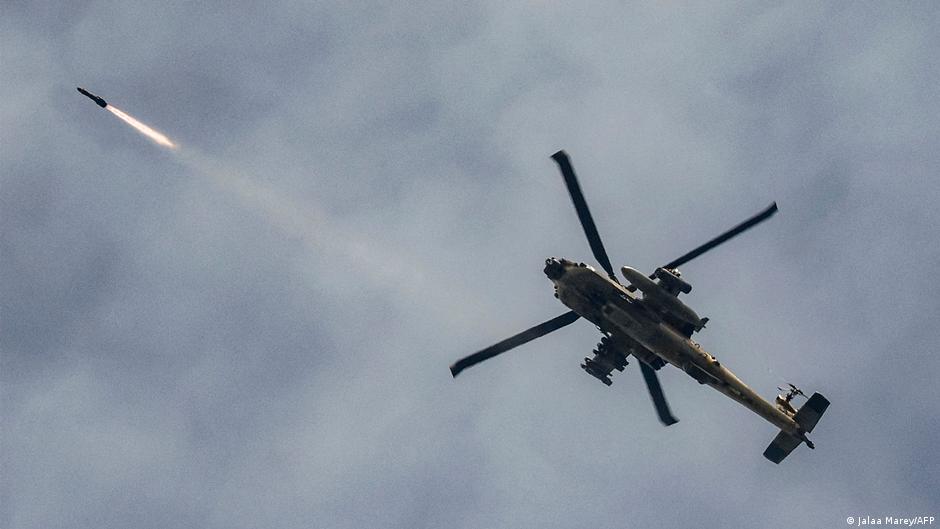
The Israeli military has launched a wave of strikes on “regime targets” in Tehran early Saturday. These strikes came after the military identified missiles launched from Iran toward the territory of the State of Israel at least three times within six hours. There were no immediate details on the outcome of these strikes.
Separately, Israel also targeted Lebanon’s capital, Beirut, focusing on Iran-backed militant group Hezbollah. The military called on residents of several areas to evacuate ahead of the attacks. In response, Hezbollah stated that its fighters had targeted Israeli troops in six villages in southern Lebanon.
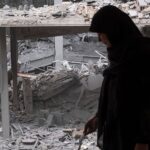
The conflict between Hezbollah and Israel has become one of the deadliest spillovers of the US-Israeli war on Iran. Since Hezbollah fired rockets at Israel on March 2 to avenge the killing of Iran’s Supreme Leader Ayatollah Ali Khamenei, over 1,000 people have been killed in Lebanon, and more than 1 million have been displaced.
Ongoing Coverage
As the situation continues to evolve, Jendela Magazine remains committed to bringing you the latest updates on the US-Israeli war against Iran. Stay tuned for further developments as the conflict unfolds and impacts the region and beyond.