
First-Degree Murder Charge Remains in Parolee Shooting Case
The Legal Battle Over the Shooting of Marchello D. Woodard
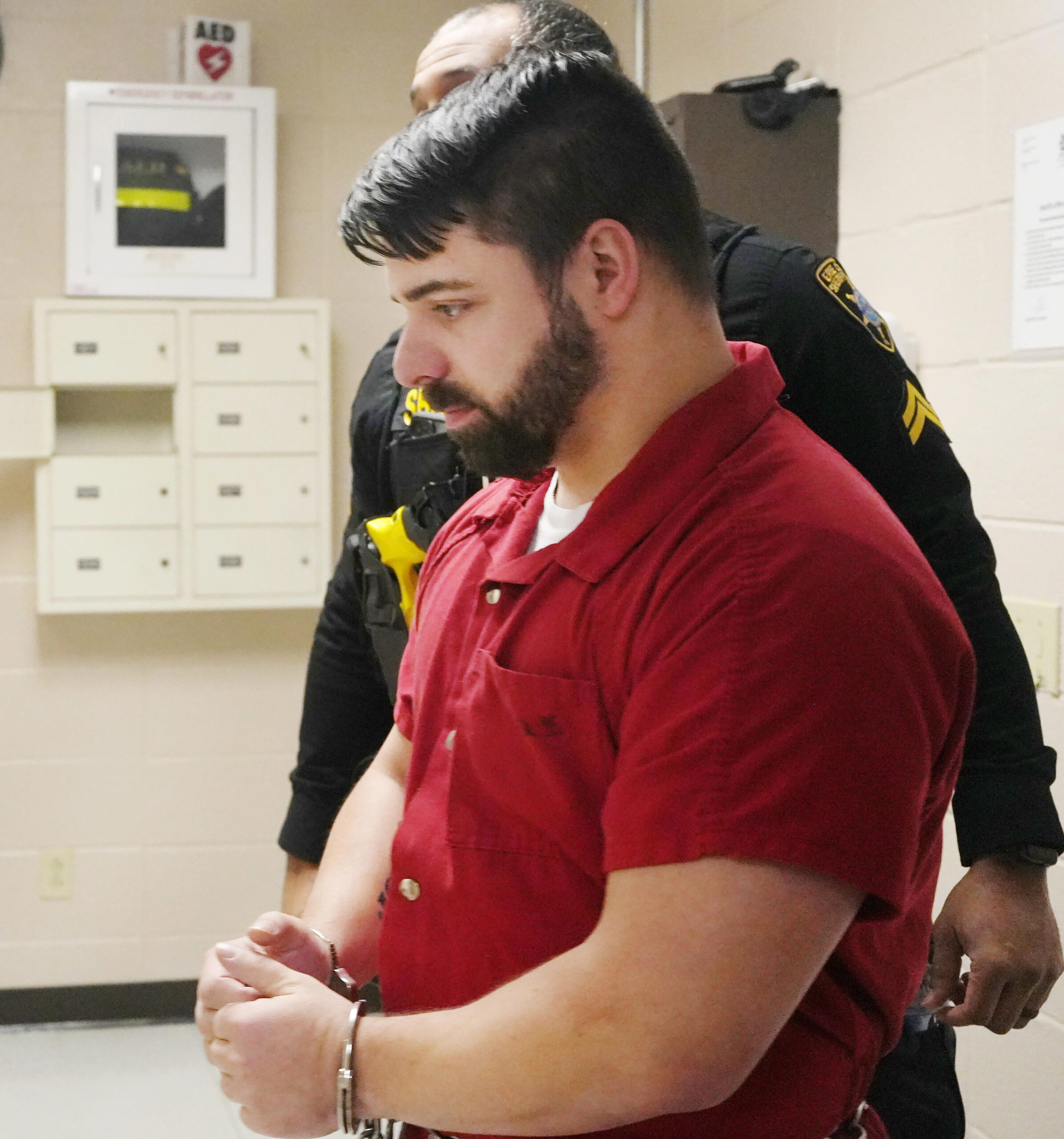
The case involving the shooting of Marchello D. Woodard has taken a significant turn as the Erie County District Attorney’s Office continues to pursue a first-degree murder charge against Kevin J. Seelinger, a Pennsylvania state parole agent. On March 19, Erie County Judge John J. Trucilla ruled against a defense request to dismiss the charge, citing sufficient evidence to support the case.
Key Evidence and Legal Interpretation
Judge Trucilla emphasized that the critical piece of evidence was that Seelinger shot Woodard in the back, which is considered a vital organ. Under Pennsylvania law, intent can be inferred from the intentional use of a deadly weapon on a vital part of the body. Trucilla agreed with District Attorney Elizabeth Hirz that this inference applies to the case against Seelinger.
At a preliminary hearing on January 21, the DA’s office presented enough evidence to justify charging Seelinger with first-degree murder. Trucilla noted that the circumstances described by the DA’s office “support the level of intent, on its face.” He further stated that the use of deadly force on a vital organ allows for such an inference.
Defense Arguments and Trial Process
Seelinger’s legal team, led by Chad Vilushis and Douglas McCormick, had filed a motion to dismiss the first-degree murder charge on February 27. They argued that Seelinger was justified in his actions. However, Trucilla ruled that these arguments must be decided by a jury, not a judge.
“This will become a fact determination by the factfinder — the jury,” Trucilla said during the hearing.
The Incident That Led to the Shooting
On July 2, Woodard, 43, was shot while sitting behind the wheel of a car parked on East 27th Street between Parade and Wallace streets in Erie at around 9:45 p.m. Seelinger fired three shots, hitting Woodard in the back, left shoulder, and left arm, according to the autopsy.
Woodard had 16 days remaining on his parole when he was shot. Police discovered a large bag of a white, powdery substance and a significant amount of cash on Woodard after his death. An autopsy and toxicology tests revealed that Woodard had a lethal amount of cocaine in his system, along with alcohol, the opioid painkiller hydrocodone, and marijuana.
According to a summary released by state police, the shooting occurred as Woodard was driving away, “dragging a State Parole Agent in the process.” The agent fired multiple rounds into the driver’s compartment before falling free of the vehicle.
Hirz provided her own version of events, stating that Seelinger shot at Woodard as he was driving away, but that the gunfire caused Woodard to flee. “The victim’s flight was a reaction to the Defendant’s use of force rather than the cause of it,” she said in a court filing on March 16.
Impact on the Community and Legal Consequences
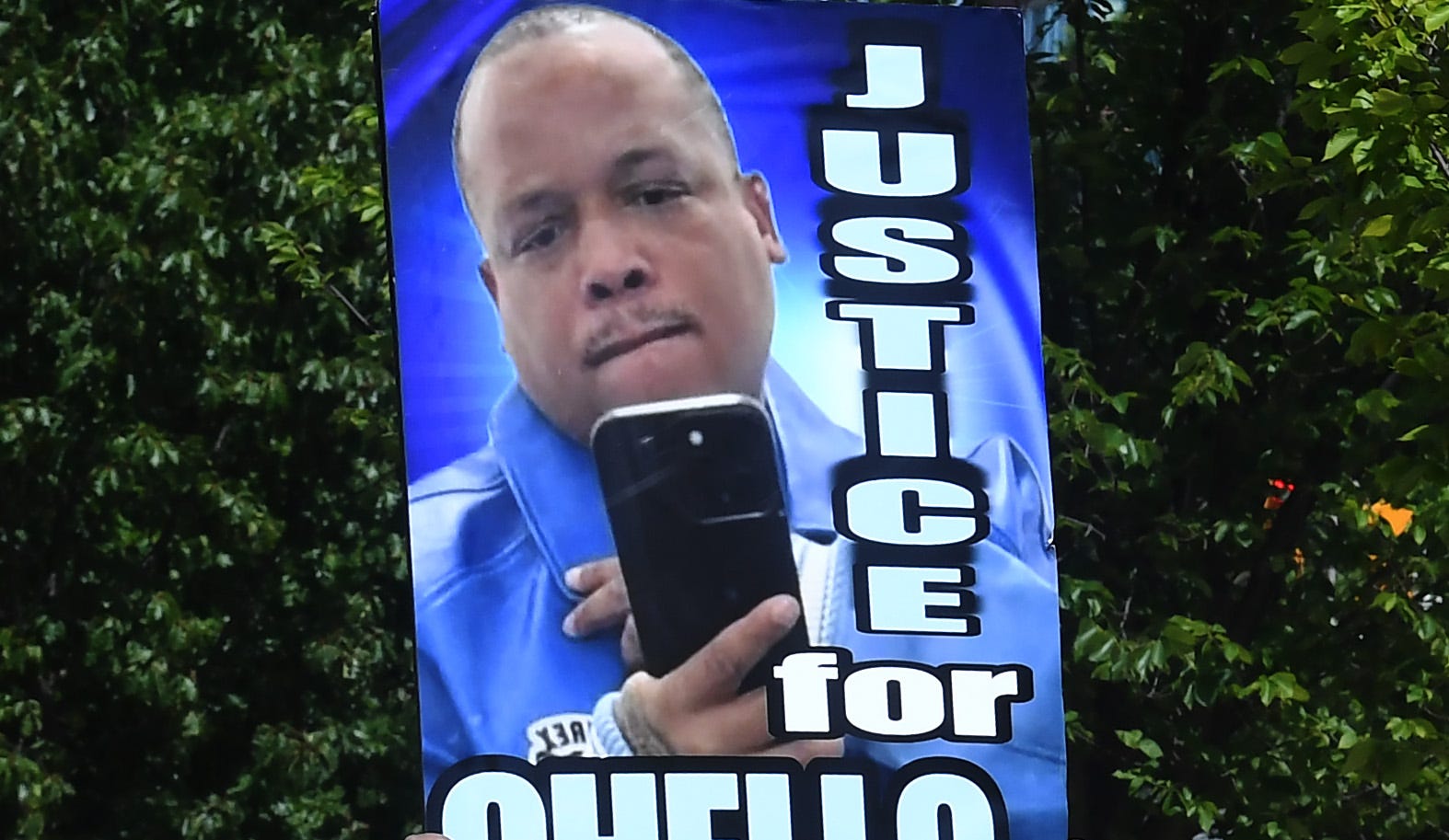
The shooting of Woodard, who was Black, led to protests in Erie, with many demonstrators connecting the case to the Black Lives Matter movement. Woodard’s family and supporters had pushed for a murder charge, and the decision to pursue a first-degree murder charge has been met with mixed reactions.
Seelinger, a 35-year-old Edinboro resident, has been held in prison without bond since his arrest in December due to the first-degree murder charge. Trucilla’s ruling to allow the charge to stand prevents the defense from requesting a bond.
Trucilla has set a tentative trial date for October 5. Meanwhile, the Fraternal Order of Police (FOP) has continued to criticize the DA’s charging decision. Thomas Wines, executive director of FOP Lodge 92, expressed concern over the implications of the case, stating that it sends a concerning signal to law enforcement.
Reactions from the Family and Legal Team
A lawyer representing Woodard’s three children declined to comment on Trucilla’s ruling. However, Woodard’s son, Malakai Woodard Jones, expressed satisfaction with the charges advancing to trial. “We are thankful that the court has found sufficient evidence for the case to proceed to trial,” he said after the preliminary hearing on January 21. “Although nothing can change the loss of our father, this decision is meaningful to us because it affirms his life has value.”
As the case moves forward, the community and legal experts await the outcome of the trial, which will determine the final verdict in this high-profile case.