Gesture-Controlled Car Doors Are Here — Whether We Needed Them or Not
The Evolution of Chinese Automotive Technology
In the past two decades, the technological advancement of Chinese vehicles has surpassed expectations. Initially, when domestic automakers began entering overseas markets, their internal combustion engine (ICE) vehicles were significantly behind those from established automakers in North America, Europe, Japan, and South Korea. However, the rise of electric vehicles (EVs) in the mid-2010s created a more level playing field, allowing Chinese automakers to rapidly catch up and even surpass their Western counterparts.
Today, China is the world’s leading producer of both electric vehicles and EV batteries. It also holds the largest market for electric cars globally and controls a significant portion of the refining capacity for critical minerals used in EV production. Additionally, China dominates the battery supply chain, further solidifying its position as a major player in the automotive industry.
Chinese automakers are known for producing some of the most technologically advanced vehicles on the market. This is driven by the strong consumer interest in technology among Chinese customers, who continuously demand new innovations. However, not all technological advancements are practical or beneficial. For instance, some vehicles have hidden essential functions within touchscreen menus, which can be frustrating, especially if features like pop-out door handles freeze during cold weather.
A New Approach to Door Opening
One of the latest trends in Chinese smart cars is the transformation of a simple task—opening a car door—into a high-tech experience. Traditionally, people have opened doors by pulling handles, and this method has worked effectively for over a century. Recently, flush-mounted, pop-out door handles have become popular, particularly in electric vehicles, offering benefits in aerodynamics and design. However, these mechanisms have also raised safety concerns, leading to a ban on electric pop-out door handles in China starting January 1, 2027.
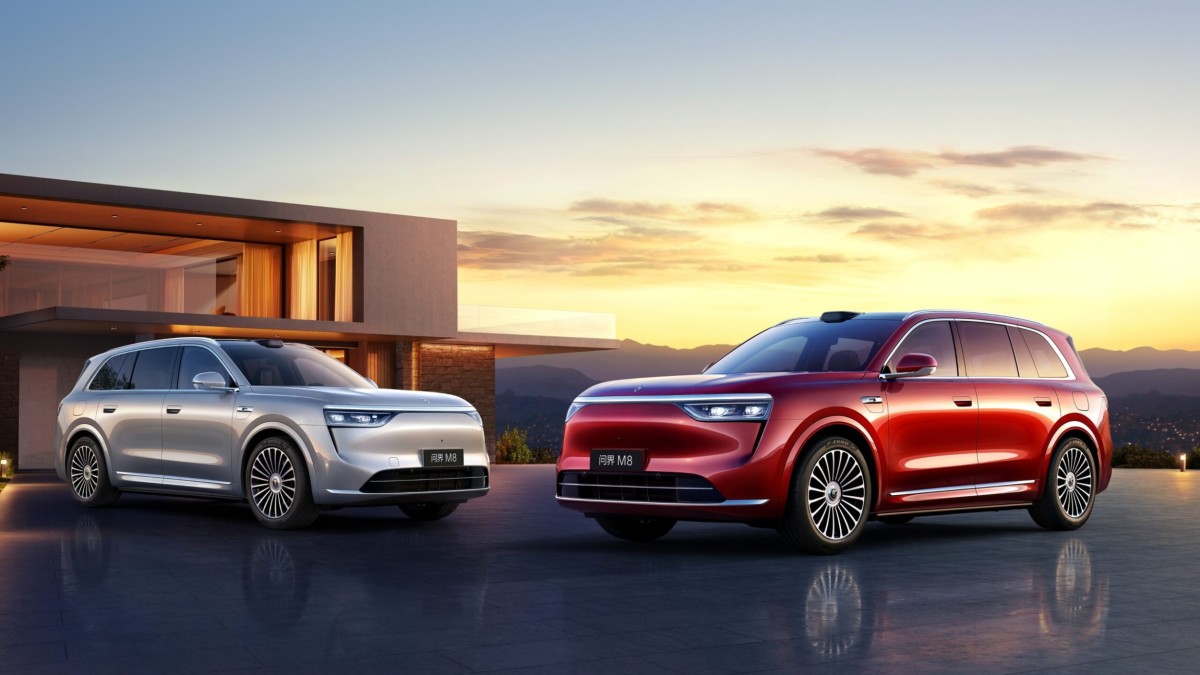
Despite this ban, some Chinese car models have taken the concept of door opening to an extreme. The Aito M8, a full-size electric luxury SUV, allows users to unlock and open doors using gestures without touching anything. This feature, while innovative, has proven to be unreliable in practice.
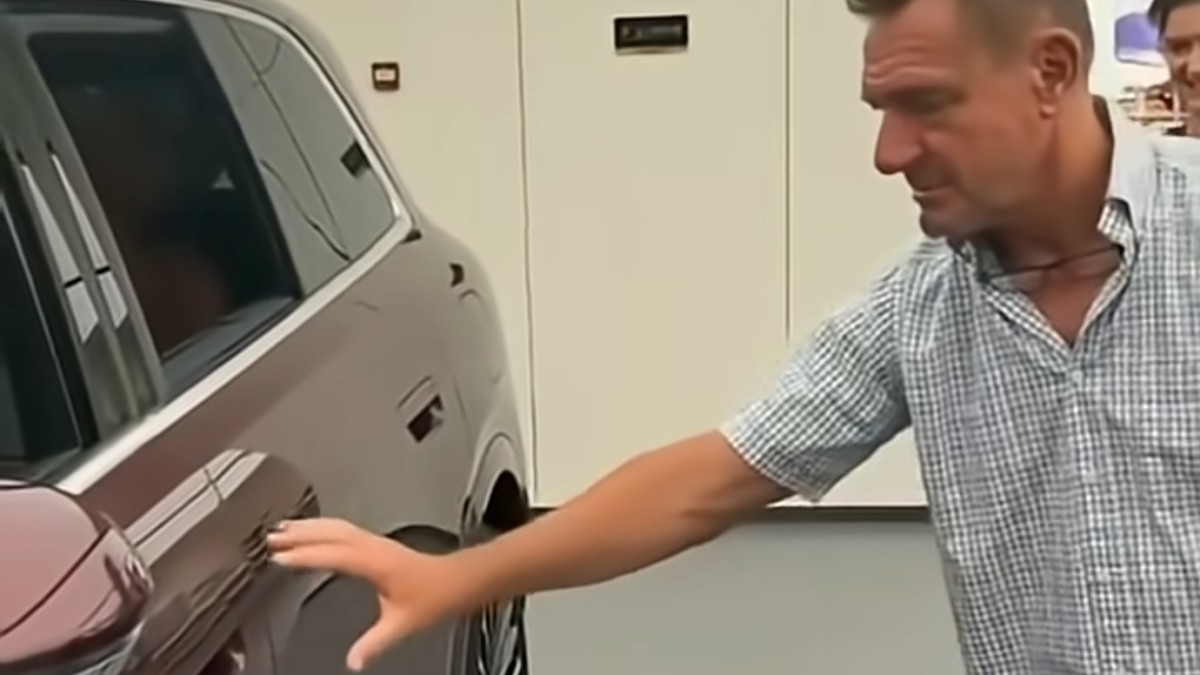
A video shared by user @TansuYegen on X.com demonstrates how the technology works—or rather, how it doesn’t work when gestures are not interpreted correctly. The clip shows a sales consultant attempting to demonstrate the feature to showroom visitors, who struggle to make it work. While this may be entertaining in a showroom setting, it raises questions about its practicality in real-world situations.
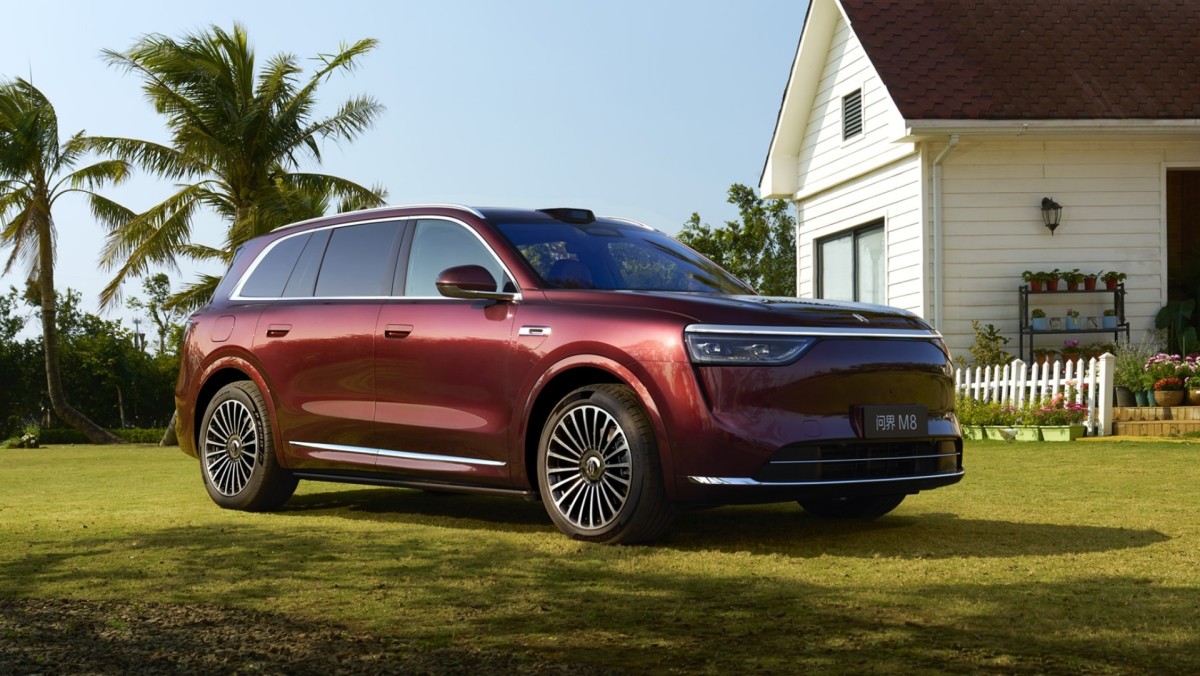
Thankfully, the Aito M8 still offers traditional methods of opening the vehicle. If the system fails, the driver can pull the handles manually. In the event of a dead 12-volt battery, the physical key can be used to open the driver’s door, and internal door handles allow passengers to exit.
How the Gesture System Works
The Aito M8 is equipped with cameras positioned between the front and rear doors. These cameras use facial recognition and Huawei’s AI algorithms to track hand movements, enabling users to open or close the doors with a simple gesture. Hand gestures can also serve as confirmation commands, allowing the vehicle to reverse automatically into tight parking spaces after the driver exits. Similarly, the same gesture can summon the car to drive itself out of a parking spot.
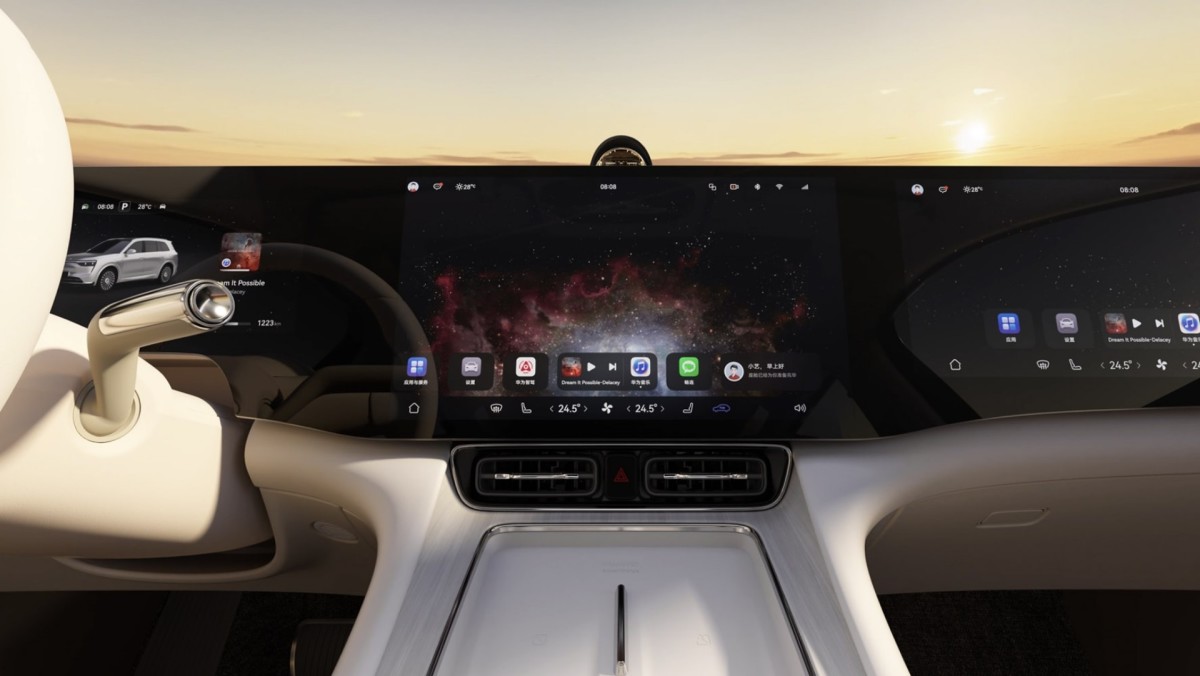
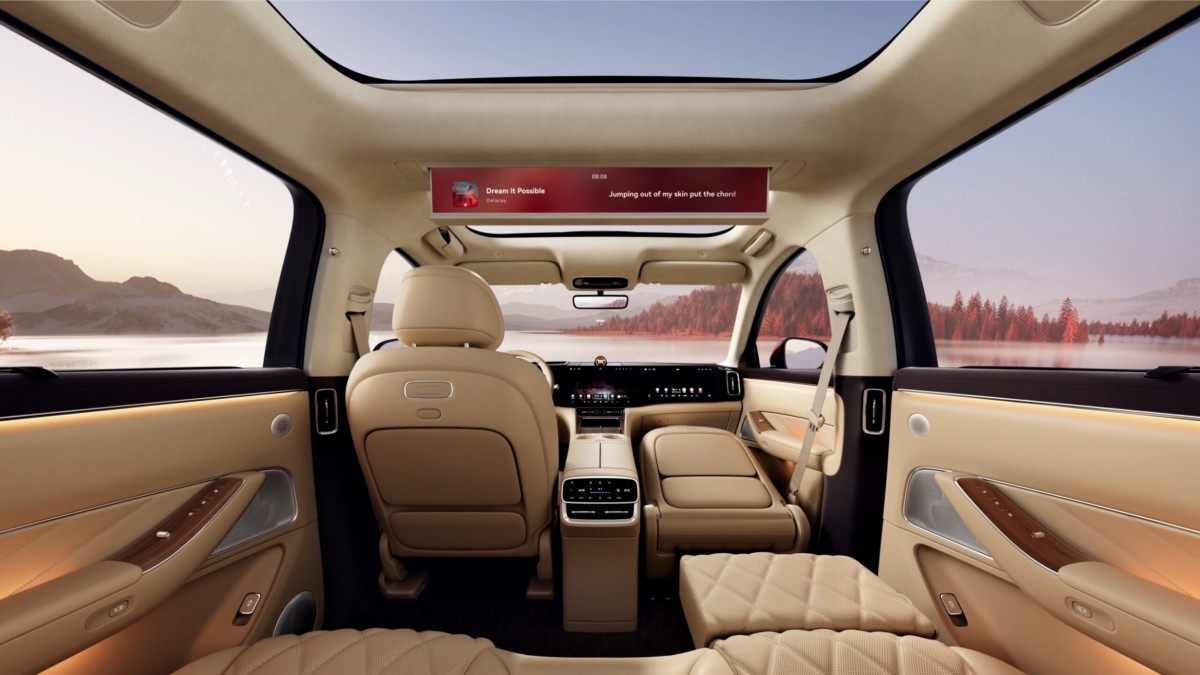
AITO, which stands for “Adding Intelligence to Auto,” is a luxury new energy vehicle (NEV) brand launched in 2021 as a partnership between Huawei and Seres. The Aito M8 features a triple-screen infotainment setup running Huawei’s HarmonyOS, the same operating system found in Huawei smartphones, tablets, and wearables. This integration allows seamless connectivity between devices and the vehicle.
The M8 also includes Huawei’s Qiankun ADS 4.0 advanced Level 3 autonomous driving system. It offers both battery electric vehicle (BEV) and extended-range electric vehicle (EREV) powertrains, along with five- or six-seat interior configurations. Prices start around $50,000 in China, where the M8 received 80,000 orders in its first month on the market.