
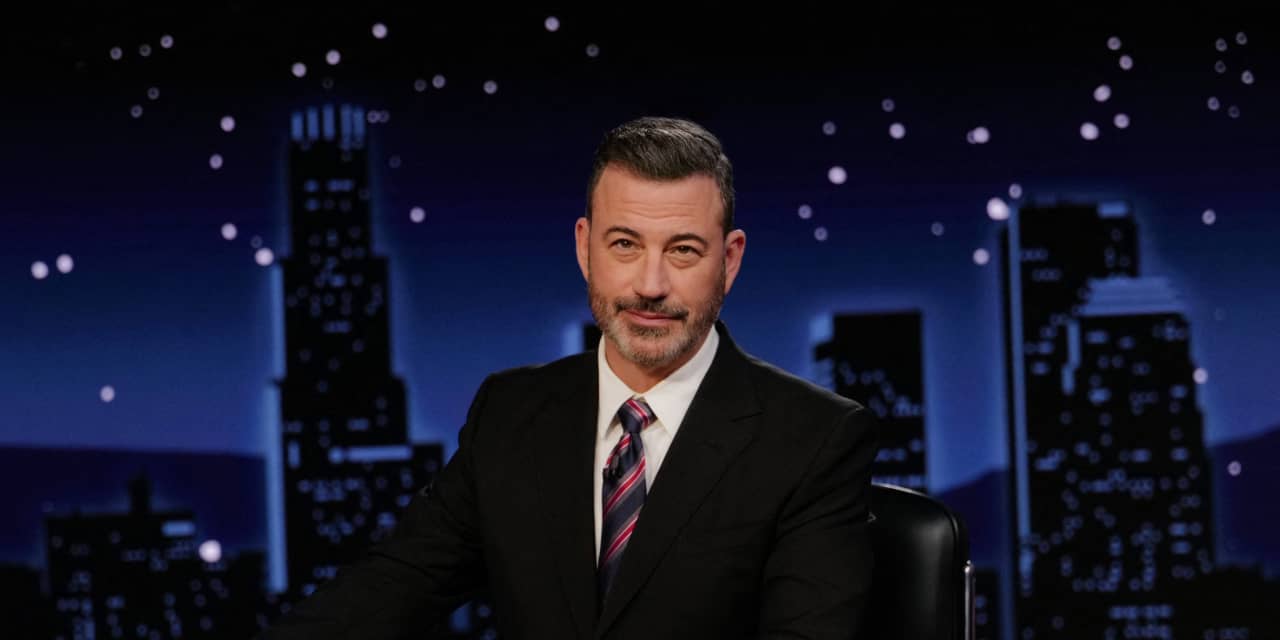
Trump Admin Approves TV Megamerger Amid Kimmel Suspension Concerns
The Trump Administration Approves a Major Television Merger
The Trump administration gave the final approval for a significant television merger, which had previously sparked controversy and legal battles. This deal involved Nexstar Media Group, the largest local television station owner in the United States, acquiring Tegna for $6.2 billion. The merger was seen as a pivotal move that had been linked to efforts to remove late-night host Jimmy Kimmel from the air last year.
Nexstar announced that it had finalized the acquisition after receiving approvals from both the Department of Justice and the Federal Communications Commission (FCC). However, this decision came shortly after eight state attorneys general and satellite broadcaster DirecTV filed lawsuits, arguing that the merger would create a “behemoth” with excessive control over broadcast programming, violating existing antitrust laws.
California Attorney General Rob Bonta, leading the lawsuit from eight Democratic states, stated that the merger would lead to high levels of concentration in local TV markets and potentially increase cable and satellite prices across the country. He emphasized that the merger is illegal and contradicts federal antitrust laws meant to protect consumers.
A Politically Charged Deal
President Donald Trump supported the deal after Nexstar faced pressure to suspend Kimmel’s program in September. This occurred following criticism from the White House regarding comments made by Kimmel about the shooting death of conservative activist Charlie Kirk. Although the deal faced significant legal challenges, including existing laws limiting the percentage of the American viewing audience any one company can reach, Trump’s FCC Chairman Brendan Carr argued that these rules were outdated.
Despite these challenges, the merger proceeded, with Nexstar CEO Perry Sook expressing gratitude to Trump and Carr for their support. He stated that the merger would allow Nexstar to become a stronger, more dynamic enterprise, better equipped to deliver exceptional journalism and local programming.
Impact on the Media Landscape
The deal brings together Nexstar’s 201 stations in 116 markets with Tegna’s 64 stations, resulting in 265 stations operating in 44 states, along with the CW Network and NewsNation. DirecTV, a satellite TV provider, filed an antitrust lawsuit against the merger, claiming it would create a massive concentration of market power, allowing Nexstar to raise prices and reduce the quality of local news.
The FCC approved the transaction, requiring Nexstar to divest stations in six markets where their audiences overlapped. However, a waiver was granted for 17 other markets where Nexstar would now own two stations. FCC Chairman Carr emphasized that the approval considers the current media marketplace, ensuring broadcasters have resources to invest in local news operations.
Changing Stance on the Deal
Initially, Trump was lukewarm about the deal when it was first announced in August. However, his stance shifted after Nexstar removed Kimmel’s show from its channels due to pressure from the Trump administration. This led to a public debate over First Amendment rights, with critics accusing Nexstar of trying to appease the administration to secure the merger.
After a week off the air, Kimmel’s show was restored, and Nexstar claimed its business decisions were not influenced by government pressure. In February, Trump changed his position, supporting the deal and urging its completion, stating that more competition against “Fake News National TV Networks” was needed.
Legal Hurdles and Antitrust Concerns
The merger faced numerous legal hurdles, primarily due to longstanding rules capping the number of households a single broadcaster can reach. These rules, set at 39% for U.S. households, have remained in place for years. Observers argue that only Congress can change these rules, and without the administration’s approval, the deal would not have gone through.
The attorneys general lawsuit argued that the merger violates Section 7 of the Clayton Act, which prohibits mergers that substantially lessen competition or tend to create a monopoly. Despite these concerns, the merger was finalized, marking a significant shift in the television industry.